Hand Tools
Hand tools come down to the job in front of you. Think about the leverage you need, the room you’ve got, and whether you want something light in the hand or something that will take repeated abuse. For quick day-to-day work, standard manual hand tools are usually the economical pick. On heavier site work, heavier-duty versions are worth the extra weight and cost because they hold up better when they are used hard all day. Ergonomic handles help on repetitive jobs. A slimmer, more basic pattern can still be the better call where access is tight.
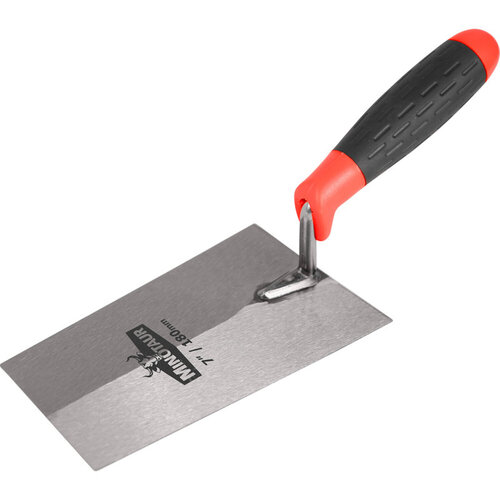
Minotaur Bucket Trowel - 7"
7" carbon steel bucket trowel with soft-grip handle for bricklaying
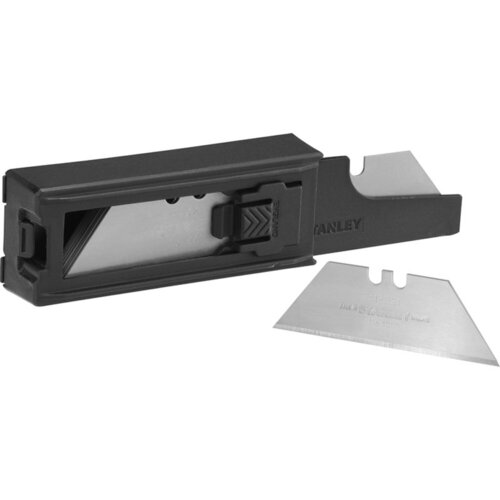
Stanley General Purpose Blades - Spare Blades 10 Pack
10-pack of silver Stanley general-purpose blades for tough materials
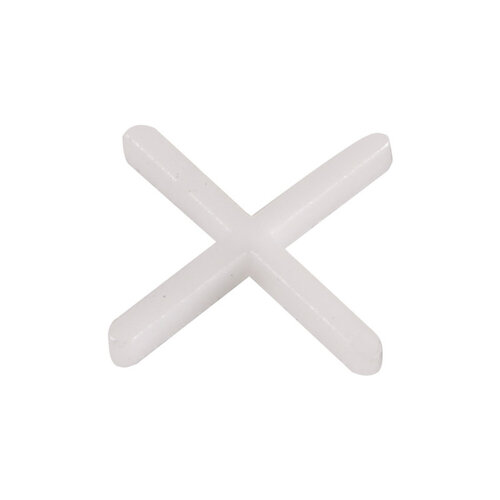
Vitrex Essential Tile Spacer - 2mm 1000 Pack
Reusable 2mm tile spacers for consistent grout lines, pack of 1000
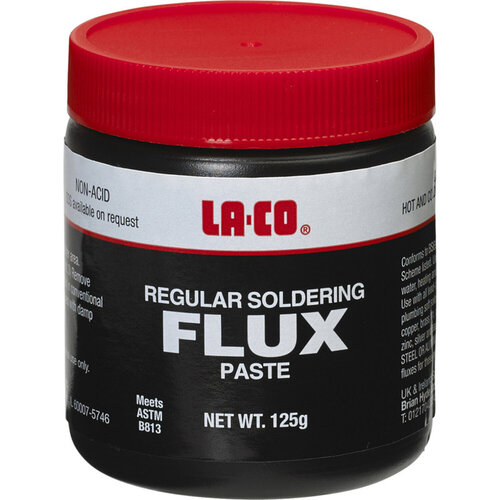
La-Co Soldering Flux Paste - 125g
LA-CO flux paste 125g, water soluble, non-acid, UK-WRAS approved
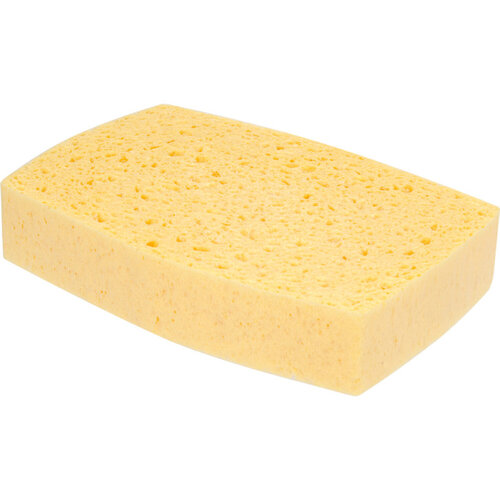
Spontex Decorators Sponge
100% natural cellulose sponge holding up to 20x its weight in water.
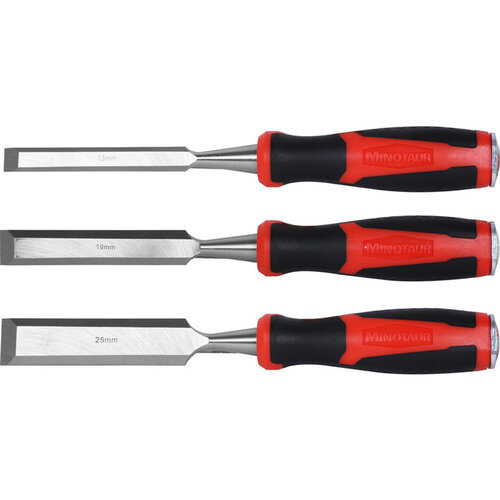
Minotaur Wood Chisel Set - 3 Piece
3-piece wood chisel set with hardened chrome vanadium steel blades
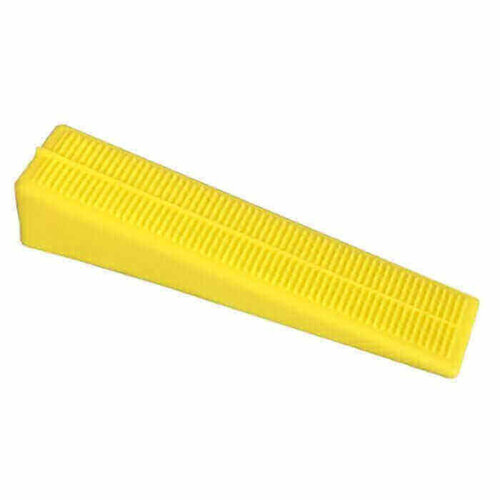
Tile Rite Tile Levelling Wedges - 100 Pack
Tile levelling wedges for perfect alignment, 100 pack
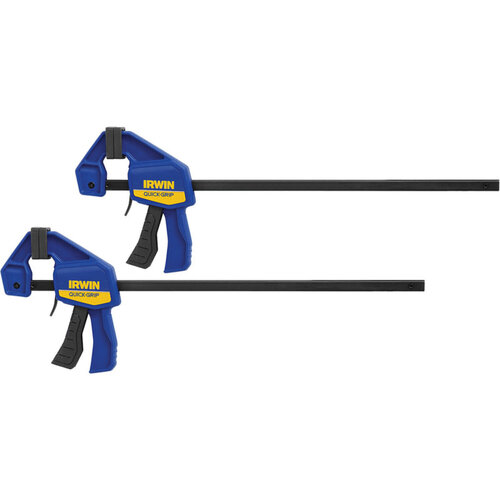
Irwin Quick-Grip Mini 2 Pack - 12''/300mm 2 Pack
Pack of two 300mm Quick-Grip Mini bar clamps for light-duty woodworking.
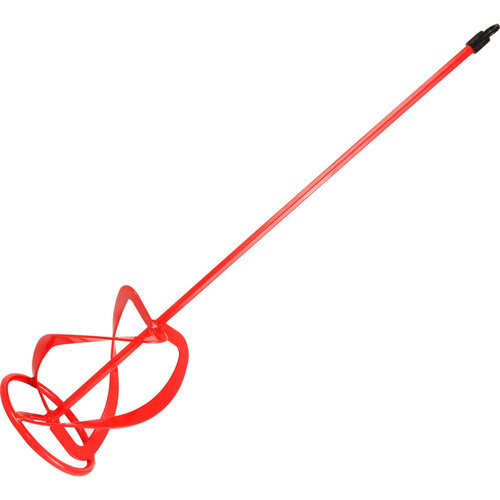
Minotaur Mixing Paddle - 140 x 600mm
Mixing paddle for electric drills, 140 x 600mm carbon steel
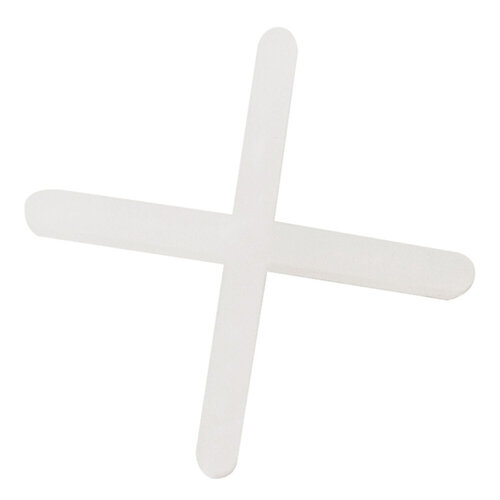
Pinnacle Tile Spacers - 2mm 250 Pack
2 millimetre tile spacers, pack of 250, for even grout lines
For the Trade
Start with the space you’ve got and how the kit will be used. That usually sets the order before you get into finishes or extras. If access is tight or the work is repetitive, you need hand tools that sit well in the hand and keep pace through the shift. For rougher site work, weight, grip and durability matter more than a neat feel. A lot of call-backs start with the wrong size or style being bought for the layout, not the job itself.
Bolsters & Wrecking Bars
You’re usually picking these when you need more force than a general-purpose tool gives you, but not the bulk of a bigger demolition setup. A shorter bolster is easier to control for chasing and splitting. A longer wrecking bar gives you more reach and leverage when you need to lift, pry or pull apart timber and fixings.
The trade-off is simple. More length helps on stubborn work, but it’s harder to handle in tight spots. If you only need one set for heavier knock-about work, Bolsters & Wrecking Bars is the narrower buy within hand tools.
Building Tools
Building tools are what you reach for when the job needs force, leverage or control rather than power. You pick by the task in front of you. Prising, striking, scraping, clamping or finishing all call for different kit, and the wrong style is what usually causes the call-back.
If it lives in the van and takes a battering, go heavier. If you need more accuracy or a cleaner finish, a lighter, more controlled tool is usually the better fit.
Clamps & Spreaders
Most of the time, you’re choosing hand tools here on grip, jaw pressure and how much control you need once the work starts moving. For repetitive clamping, a smoother action and a handle that sits well in the hand matter more than a flashy finish. For spreading, you want even pressure without the work creeping out of line.
That’s where Clamps & Spreaders come in as the narrower buy in this range. Size alone is not enough. A clamp that looks right but slips under load is the one that gets swapped out.
Cleaning & Prep
For prep work, start with how much cleaning you’ve got before the next trade goes in. Light scrape-off and surface tidy-up need a different kit from stubborn mortar, paint or adhesive, and that’s where Cleaning & Prep comes in.
It’s the part of the range you reach for when finish quality depends on what’s left behind. Buy for the main job alone, and you can end up without the right tool to clear the surface properly.
Electrical Tools
Electrical Tools is where you narrow things by the task, not the badge on the box. If you need hand tools for electrical work, the first question is whether you want insulated kit, fine control in tight cupboards, or something that will stand up to daily site use.
A lot of call-backs come from buying the wrong style for the access you’ve actually got - too bulky for containment, too light for repetitive work, or not enough grip when you’re working one-handed. Pick the set that suits the job in front of you, and leave the general hand tools for the rest of the kit.
Hammers & Axes
Start with what you’re hitting or splitting. That tells you more than the label on the pack. Head weight, face type and handle length all matter.
A bricklayer usually wants clean control. A carpenter tends to want balance and a handle that won’t wear you out over the shift.
Axes give you more bite and leverage. You lose some finesse with that, so use them for cutting or splitting rather than general striking. Most of the time, the wrong weight slows you down, not the brand.
Key Differences When Choosing
The choice usually comes down to how hard you’ll work the tool and how much control you need. Lighter, well-balanced hand tools suit quick jobs and repeat use. Heavier-duty versions make more sense when the tool will take abuse or stay in the van.
For hand tools for carpenters or other finish work, precision and grip matter more than brute strength. On rougher site work, a tougher build and simpler handles usually hold up better. Cheap joints and soft grips tend to fail first.
Next Decisions After Choosing
Once you’ve picked the main hand tools, the next call is what finishes the surrounding job. If you’re clearing back old material, rougher prep items save time before you move on to the finish work. If you’re holding parts steady, clamps and spreaders stop you fighting the job later.
Storage matters too. Loose kit gets damaged and goes missing faster than most lads admit. I’d also look at the adjacent finishes, plus any panels or screens that need fitting next. Get the sequence wrong and you’re back for another run of tools before the job’s properly closed out.
Related searches
Local availability for Hand Tools