Rulers
Rulers come down to length, marking style and how much wear they’ll take. A 30cm ruler suits everyday marking and drawing, while a 1 metre ruler gives you fewer joins on longer work. Steel rulers and other metal rulers hold up better on site and give a cleaner straight edge. Plastic rulers are lighter and usually fine where they are not getting knocked about. Metric rulers are the normal pick for most trade work; imperial rulers only make sense if the job or the drawing is still set that way.
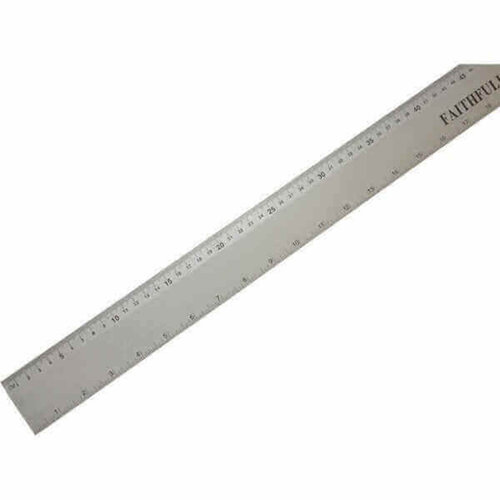
Faithfull Aluminium Rule - 1000mm 39"
1m (39") aluminium rule with dual graduations and hanging hole
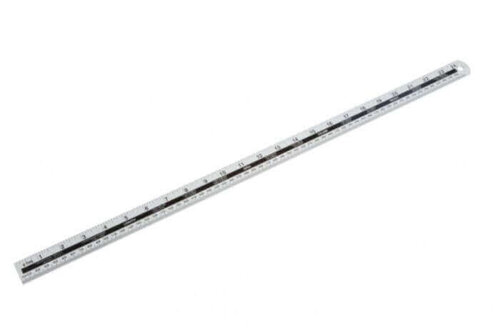
Blue Spot Aluminium Ruler - 600mm
600mm anodised aluminium ruler with metric & imperial markings
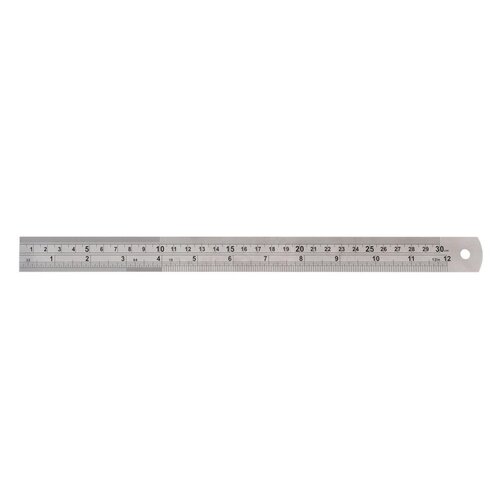
Minotaur Stainless Steel Ruler - 12" (300mm)
300 millimetre stainless steel ruler with etched graduations
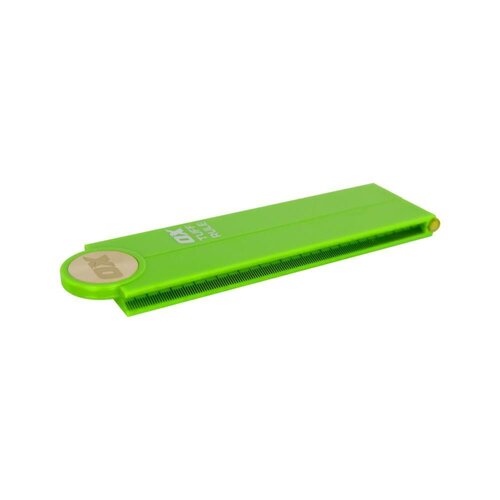
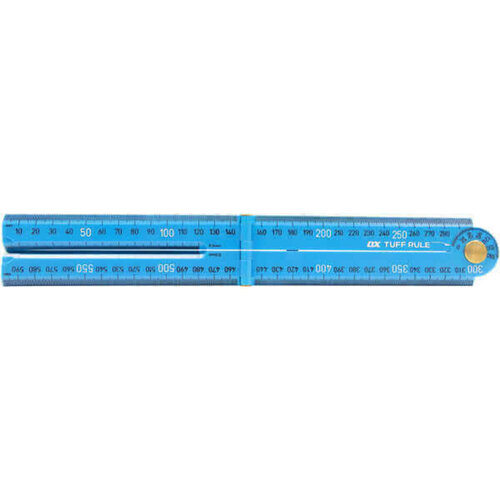
OX Pro Tuff Rule - Cyan
600mm folding rule with swivel hinge for marking angles and centrelines
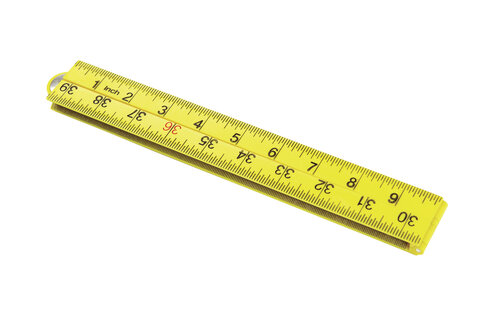
Cmstool Folding Rule Plastic - 1m
1 metre plastic folding rule.
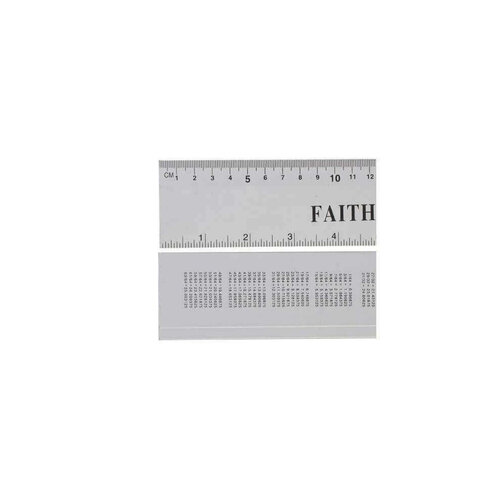
Faithfull Aluminium Rule - 300mm (12")
Faithfull aluminium rule, 300mm (12 inch).
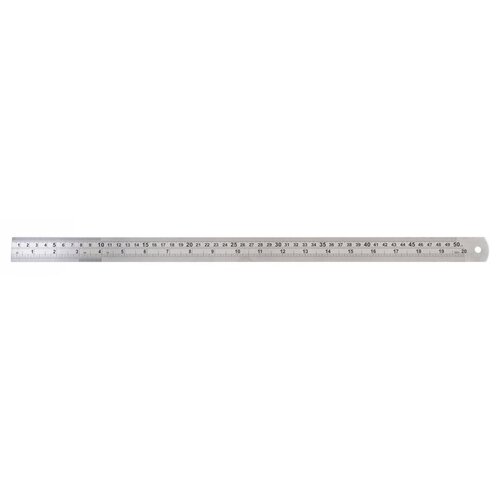
Minotaur Stainless Steel Ruler - 20" (500mm)
500 millimetre stainless steel ruler with etched graduations
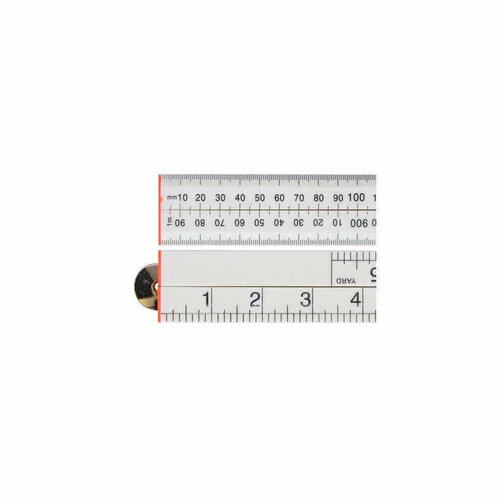
Faithfull Folding Rule ABS Plastic - 1m / 39" White
White ABS folding rule, 1m / 39 inches
For the Trade
What you pick usually comes down to the job in front of you: short marking, longer runs, or a straight edge that will take a bit of abuse. If it lives in a toolbox, metal rulers usually make more sense than plastic rulers because the cheaper ones are the first to go out of true after a few knocks. For quick metric work, a 30cm ruler is still the handiest size. On bigger sheets or when you are setting out, a 1 metre ruler saves you moving it about. Imperial rulers only matter if the job is still being measured that way.
Ruler Types and Layouts
Start with the job length and the scale you work to. A 30cm ruler suits short marking and quick checks, so you can keep it close without getting in the way. A 1 metre ruler gives you a longer straight run and cuts down on resets.
Metric rulers suit most site work because the reading stays simple. Metric and imperial rulers earn their place where drawings or stock still mix both systems. Metal rulers stand up better when the edge gets knocked about. Plastic rulers are lighter and fine when the ruler does not need to take much abuse. If you want the full range, start at Measuring Tools.
What to Check Before You Buy
The main decision is what the ruler has to do in your hands, not just what it measures. Steel rulers and stainless steel rulers are usually the pick when you want a firmer face that stands up to daily use, especially where the edge gets knocked about in the toolbox. The trade-off is weight, and you notice it if you carry one all day.
Aluminium rulers are easier to handle over longer lengths. Plastic rulers suit lighter work and are less of a worry when the piece only gets occasional use.
If you are moving between marking and checking angles, Angle Finders or Laser Levels may be the better spend.
Useful Alongside Rulers
Once you’ve picked the ruler, the next call is what it’s going up against. If you’re marking to finished edges or cutting lines, a straight edge ruler with a clean, hard face matters more than a general-purpose one. A nicked edge gives you a bad line.
For longer runs, a 1 metre ruler saves you joining up marks. A 30cm ruler is handier when space is tight and you’re working off a bench or template. Keep a couple in the kit - one for rough site use, one you trust for cleaner marking. The one that’s been dragged through the van is usually the one that causes the problem.
Related searches
Local availability for Rulers








