Spirit Levels
Spirit levels come down to length, body style and how much abuse they’ll take. A longer level gives you a truer read over bigger runs, while a compact one is easier when space is tight or you’re working between fixings. Aluminium and box-section bodies are the trade choice when you need something that stays straighter in the van and on site. Go magnetic or digital when the job calls for extra hold or a clearer readout.
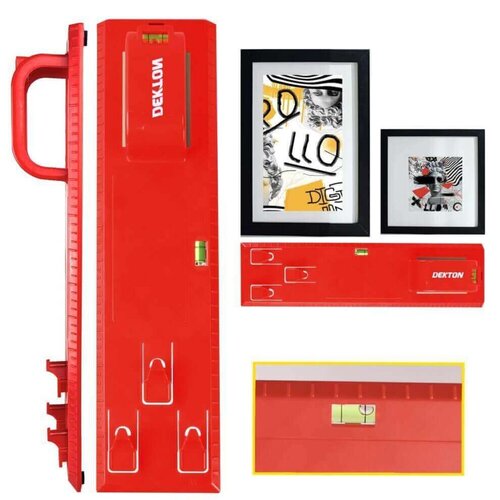
Dekton Picture Hanging Tool Horizontal Vertical Spirit Level Photo Frame Clock M…
Dekton spirit level for hanging pictures, horizontal and vertical vials
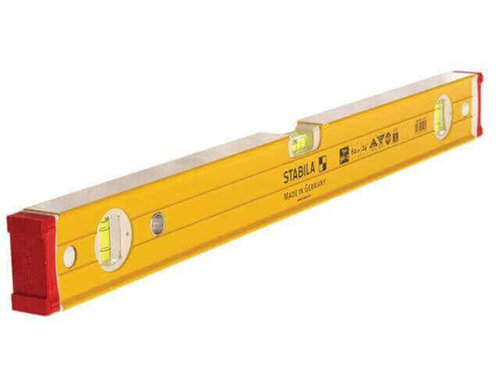
Stabila Spirit Level 96-2 Box Section 3 Vial - 1000mm
1000mm Stabila 96-2 spirit level with 3 vials and anti-slip end-caps.
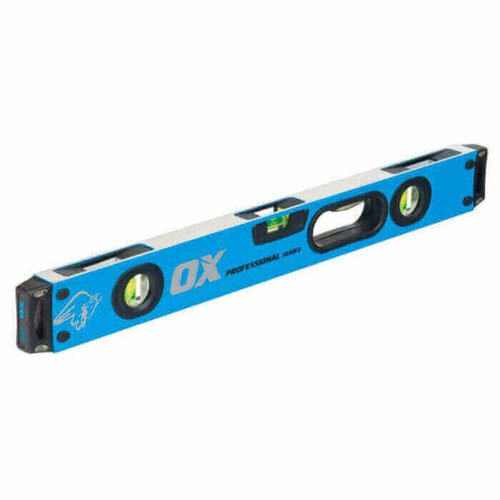
OX Tools Pro Spirit Level - 900mm
900mm professional spirit level with dual view and shock proof end caps
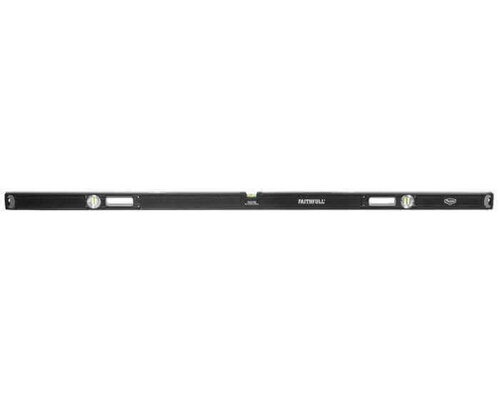
Faithfull Prestige Pro Trade Heavy Duty Spirit Level - 1800mm
Faithfull Prestige Pro Trade 1800mm heavy-duty spirit level
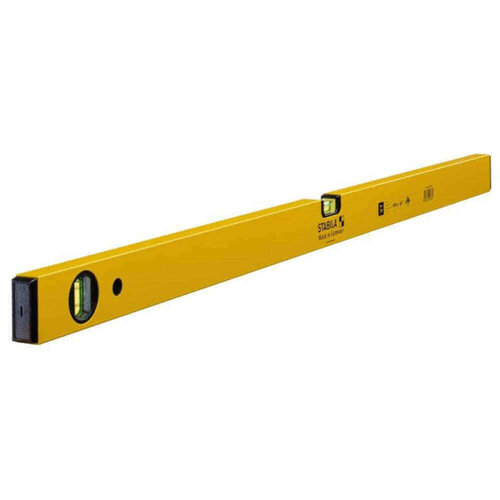
Stabila 70-100 Single Plumb Spirit Level - 100cm 2 vial
100cm spirit level with 1 vertical and 1 horizontal vial
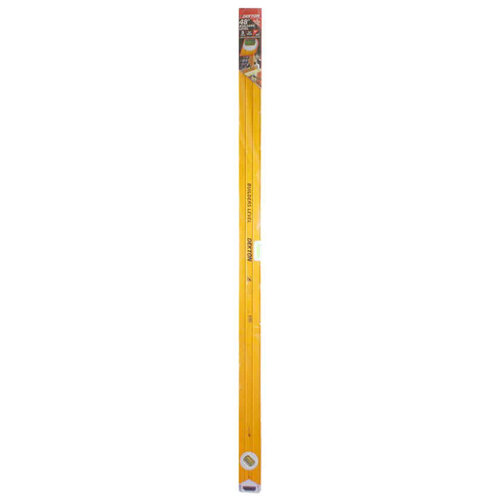
Dekton Builders Level - 48"
48 inch builders level with milled edges and 3 vials
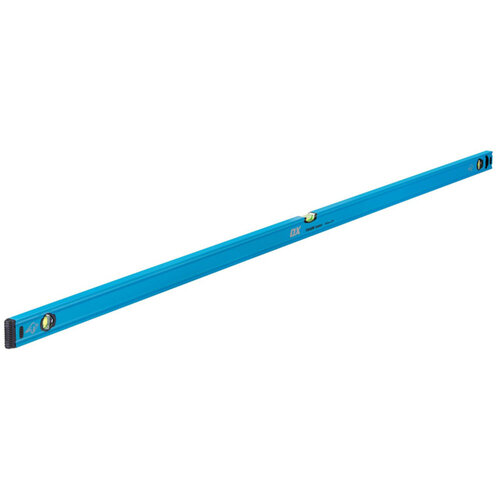
OX Trade Level - 1800mm
OX Trade 1800mm spirit level with UV resistant vials and aluminium profile
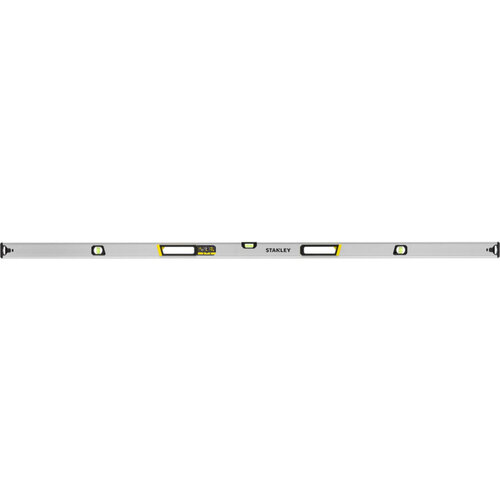
Stanley FatMax Xtreme Box Beam Level - 1800mm
1800mm box beam level with magnified vials, continuous scribing edge, and shock-…
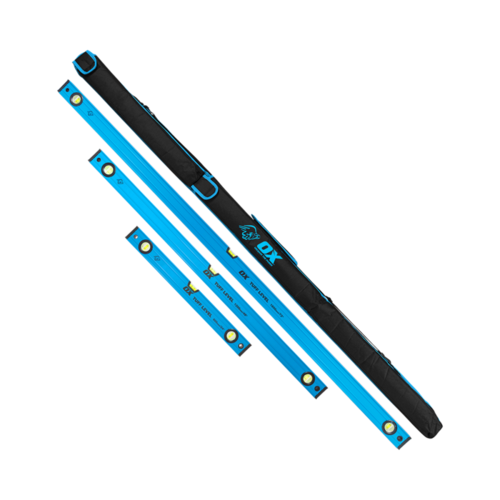
OX Pro Tuff Level - 3 Pack with bag, 600mm, 1200mm, 1800mm
Set of 3 spirit levels (600/1200/1800mm) with storage bag
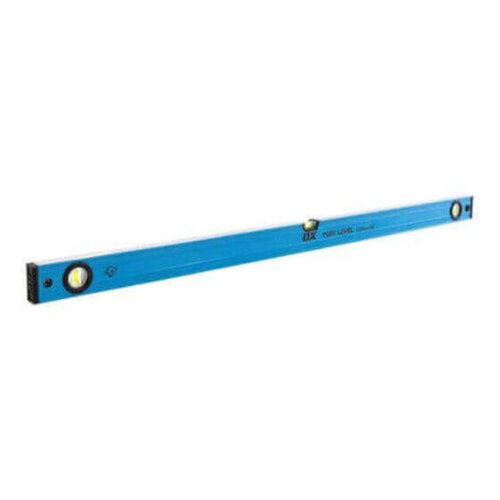
OX Tools Pro Tuff Spirit Level 3 Vial - 1200mm
1200mm aluminium spirit level with 3 ultra-precise vials, 0.5mm/m accuracy
For the Trade
Start with what the job will punish most: reach, handling, or knocks. For long runs and setting out, you want spirit levels that stay true over the length you’re working to. Tight access calls for a shorter body, but you give up some read across the run. If the level’s going near steel or you’re working one-handed, a magnetic or heavier-bodied option usually earns its keep. Digital models suit jobs where you want a quicker read, though they add cost and another thing to look after. On site, the one that gets dropped and still reads right is the one that gets kept.
Types of Spirit Levels
The main split with spirit levels is between a long body, a compact one, and a specialist layout. A long spirit level is the one you reach for when the reading needs to carry across a run. It gives you better reach and a steadier line, but it is less handy in cramped spots and more awkward to carry all day.
A mini spirit level or torpedo spirit level suits close work and quick checks. You lose span and stability, so it is the better pick for tighter jobs rather than long runs. A magnetic spirit level earns its keep when you’re working off steel or want one-handed use. A digital spirit level is worth paying for when you want a faster read and less squinting at the vial.
If you’re comparing the lot, Measuring Tools is the parent range to work back from.
Selection Factors for Spirit Levels
Material is where you narrow it properly. An aluminium spirit level is usually the one you pick when you want a lighter body for carrying all day and less strain on longer runs. The trade-off is that it can feel less planted than a heavier box-section frame if the job gets knocked about.
In tighter spots, a mini spirit level saves space in the bag and on the workpiece. You give up span and a bit of stability. For quick checks against other kit, Tape Measures and Vernier Callipers sit alongside it when the job needs a different kind of measurement.
Finish the Room
Once you’ve picked your spirit levels, the next call is what finishes the run around them. If the job’s moving into panels, screens or fitted storage, get those ordered off the same set-out so you’re not chasing a mismatch later.
Wall finishes and trims usually come next as well. A level line only helps if the surrounding work lands where it should. Leave the finish until last and you can end up with openings, fixings or clearances set somewhere else.
Related searches
Local availability for Spirit Levels















