Squares
Squares come down to what you’re checking and how much reach you need. A try square is the usual pick for quick right-angle checks and marking. Combination squares give you more flexibility if you also need depth, 45s or a sliding rule. Steel squares tend to stay truer in the van and on site. Aluminium versions are lighter to carry, but they can feel less substantial.
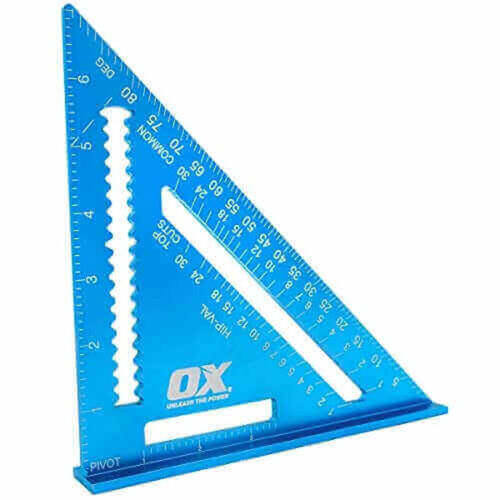
OX Tools Pro Rafter Square Carpenters Layout Square Heavy Duty Aluminum Alloy Pr…
300mm heavy-duty anodised aluminium rafter square with laser etched markings
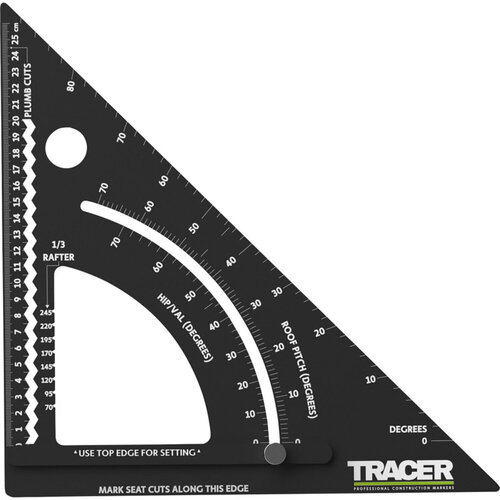
Tracer Pro Square - 12"
12 inch adjustable square for marking out cuts with lockable arm and easy-read s…
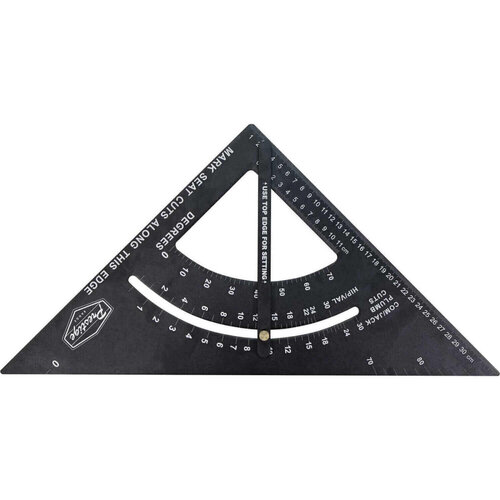
Faithfull Prestige Adjustable Quick Aluminium Roofing Square - 300mm (12")
300mm adjustable aluminium roofing square for quick angle marking.
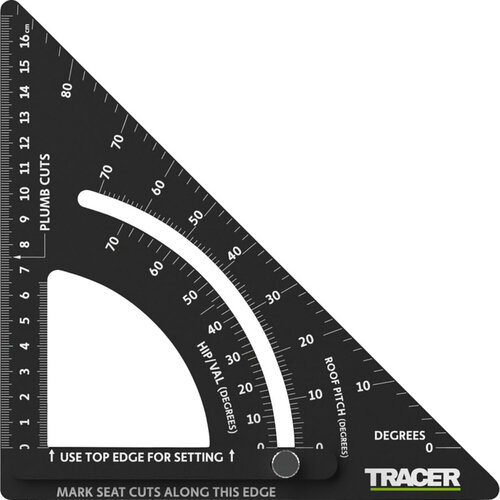
Tracer Pro Square - 7"
7 inch adjustable square for marking out cuts with lockable arm and easy-read sc…
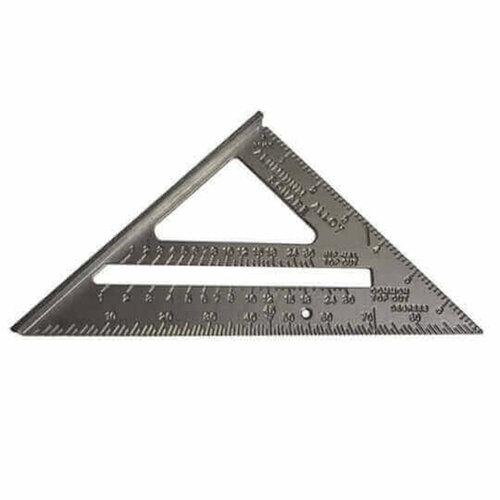
Faithfull Quick & Easy Aluminium Roofing Square - 18cm
Aluminium roofing square for accurate measuring and marking
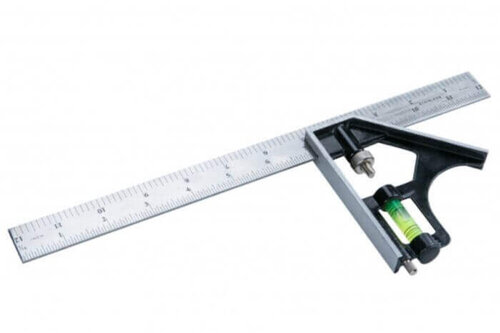
Blue Spot Heavy Duty Combination Square - 300mm
300mm stainless steel combination square with spirit level and scriber
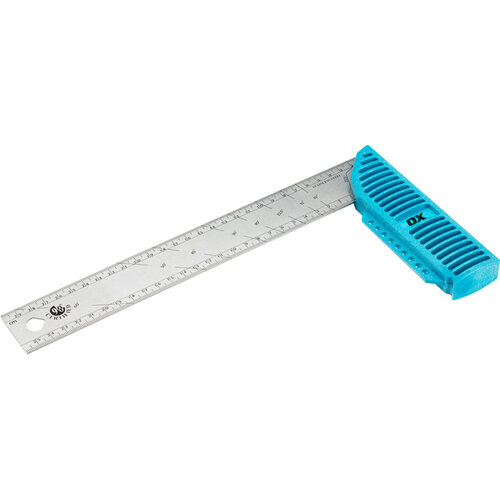
Ox Pro Carpenters Square & Angle Finder - 300mm (12")
300mm (12") carpenter's square with etched angle markings and support ledge for …
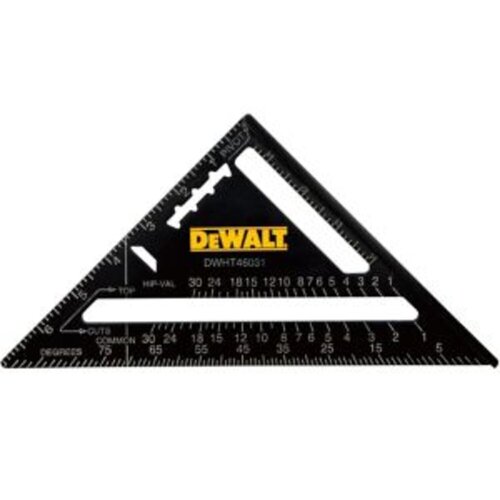
Dewalt Rafter Layout Square - 7"
7-inch rafter layout square with aluminium body and saw guide
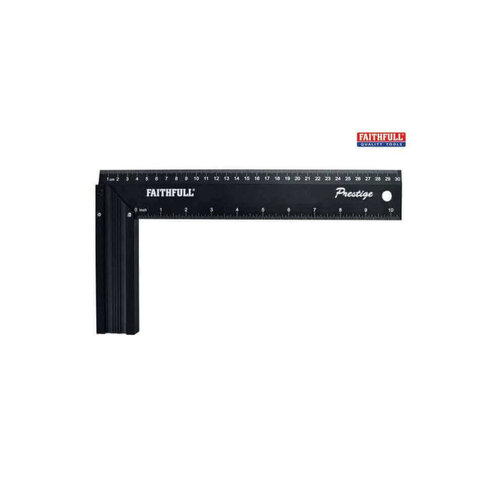
Faithfull Prestige Try Square - 300mm
300mm aluminium try square with metric and imperial markings.
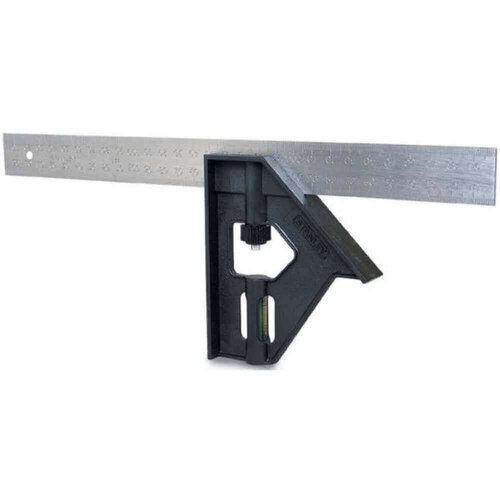
Combination Metal Square - 300mm (12")
300mm combination metal square for use with tile levelling systems
For the Trade
What matters first is how much room you’ve got to work and how often the tool will live in your hand or your box. For quick checks and marking on site, you’ll usually want a square that stays true and doesn’t get knocked out of shape after a few weeks in the van. If you’re working tighter joinery or repeat setting-out, a more rigid layout square is worth the extra spend because a bent edge or sloppy stock soon shows up in the work. A lot of call-backs start with a square that looked fine on the counter but wasn’t holding its edge.
Popular Square Formats
Start with the job, not the badge on the handle. Try squares suit quick right-angle checks and marking when you want something simple in the hand. Combination squares earn their keep when you need one tool to cover more than one setting.
Carpenter squares and framing squares suit larger timber work and repetitive layout. They’re less useful in tight spaces. Engineer squares are the pick for more exact checking on metalwork and machine edges, but they give you less day-to-day flexibility.
Most lads keep one try square and one combination square in the box, then bring in a framing square only when the job calls for it. If you’re comparing the full range, start with Measuring Tools.
Key Differences When Choosing
Steel squares suit heavier site work when you want a firmer face and better resistance to daily knocks. The trade-off is weight. You’ll feel that more than with aluminium squares when you’re carrying tools round all day.
Aluminium is easier on the belt and hand, so it works well when you’re moving between checks. It won’t feel as solid if you’re leaning on it hard. If the job is moving into setting-out rather than simple checking, look at Angle Finders or Laser Levels instead.
Next Decisions After Choosing
Once you’ve picked the square, the next call is what else you need around the job. If you’re setting out against boards, trims or fitted work, the rest of the measuring kit needs to match the accuracy you’re working to.
That’s where jobs get slowed down. The square is fine, but the next check or mark is being done with the wrong tool. For tighter joinery, engineer squares and carpenter squares usually sit alongside the main square work. For broader setting-out, laser levels and angle finders are the next buys that change how you work.
Related searches
Local availability for Squares











