Tape Measures
Tape measures come down to reach, case size and how much abuse they’ll take. A 5m tape measure is the common grab for day-to-day joinery and fit-out work, while 8m and 10m versions suit longer runs where you do not want to keep swapping tools. Metric tape measures are the normal choice on UK sites, but if you still work from imperial marks, check that before you buy. Steel blade models tend to hold up better in hard use. Compact cases are easier to carry in a pocket, though they are not always as comfortable on longer pulls.
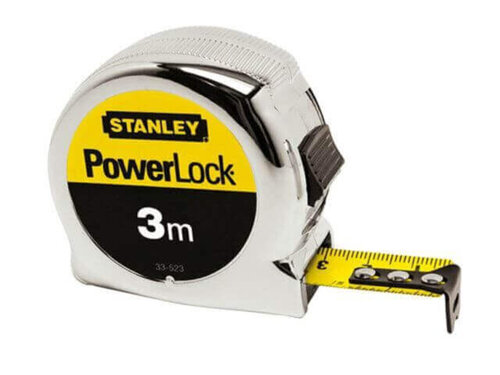
Stanley Powerlock Measuring Tape - 5m
5 metre Powerlock tape with Mylar coated blade and belt clip
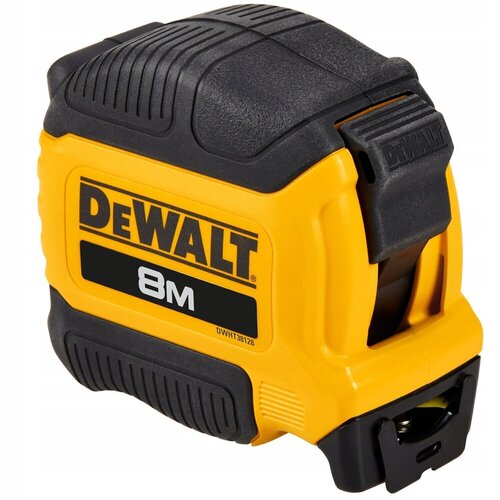
Dewalt Compact Series Tape Measure - 8m x 28mm Metric Only
8m metric-only tape measure with 28mm blade and finger brake
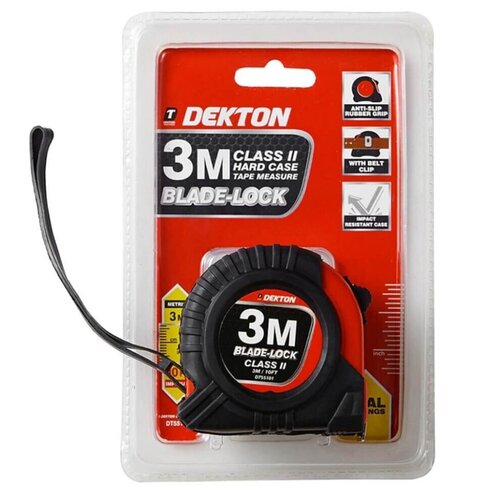
Dekton DT55101 3m x 19mm Hard Case Tape Measure - 3m x 19mm
3m hard case tape measure with blade lock and belt clip
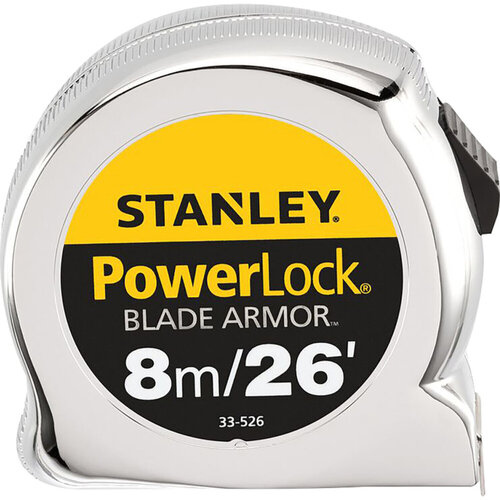
Stanley Micro Powerlock Tape Measure - 8m/26'
Chrome-plated 8m/26' tape measure with class II accuracy and belt clip
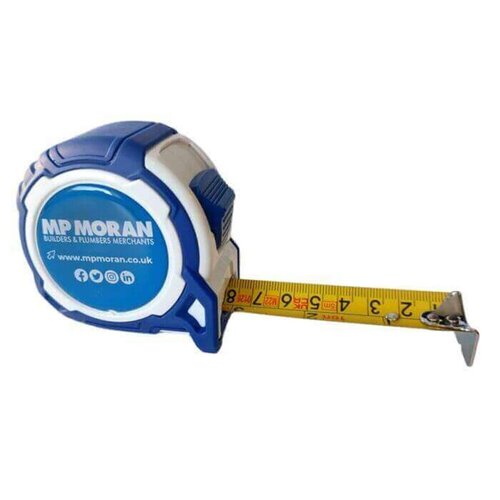
Professional Wide Blade Tape Measure - 5m Blue
Professional wide blade tape measure, 5 metres
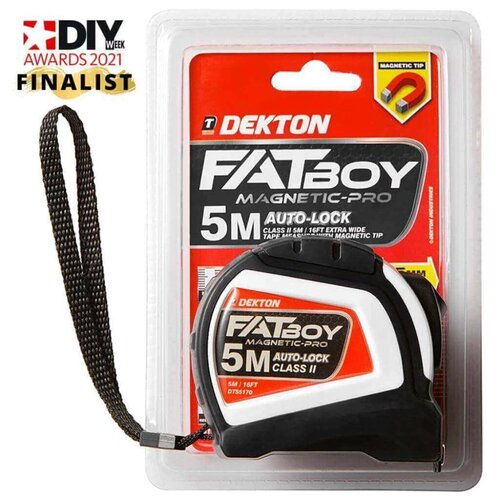
Dekton Fatboy Magnetic Tape Measure Autolock - 5m x 25mm
5m magnetic auto-lock tape measure with imperial & metric scales
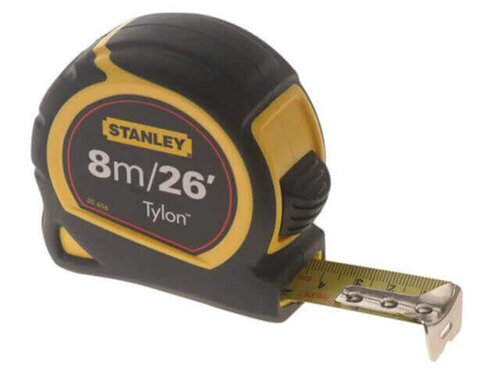
Stanley Tylon Measuring Tape - 8m / 26ft
8m/26ft tape measure with Tylon blade coating and matt finish
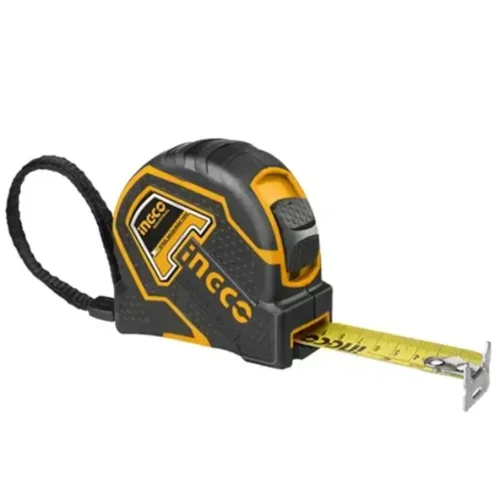
Ingco Steel Measuring Tape - 5m
Ingco steel measuring tape, 5 metres
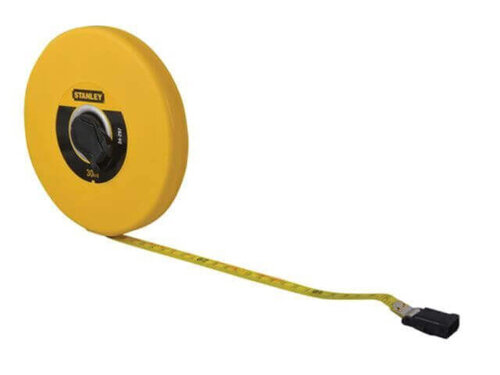
Stanley Measuring Tape Fibreglass Closed Case - 30m
Stanley 30m fibreglass measuring tape with 2-colour graduations and ABS case
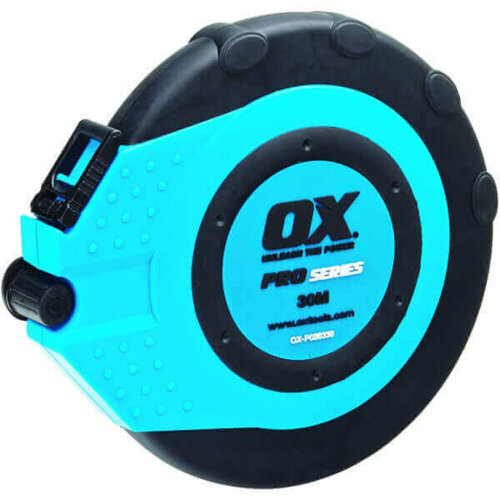
OX Tools Pro Fiberglass Closed Reel Tape - 30m/100ft
30m fiberglass closed reel tape with shock-proof rubber casing
For the Trade
Start with the space you’ve got and how you’ll use the tape on the job. In tight rooms or when you’re measuring solo, a shorter case is easier to handle. On bigger runs, you need the extra reach, even if the tape sits bulkier on the belt. Metric tape measures are the normal pick on UK sites, but some jobs still call for imperial marks on older work or mixed drawings. The main check is simple: does the tape suit the job and hold up without slowing you down?
Tape Measure Options Compared
Metric tape measures suit most UK work because you’ll read them quickest on site. Metric and imperial tape measures earn their place when you’re working from older drawings, timber sizes, or mixed-spec jobs.
Imperial tape measures are the niche pick now. They only really make sense when the job or the customer still wants feet and inches.
A shorter tape measure is easier to carry every day. Once you need more reach, you give up a bit of case size and comfort.
If you’re building out the rest of your kit, Measuring Tools is the parent range to compare against the other measuring gear.
Choosing Materials and Size
Case size and blade width usually decide it.
If you’re working in tight spaces or carrying it all day, a compact tape measure is easier to handle. You give up some reach and a steadier blade.
For longer runs, move up to an 8m or 10m tape measure when a 5m tape measure keeps falling short. Metric tape measures are still the normal choice on UK jobs. Imperial tape measures only make sense if the drawings or the rest of the job are in feet and inches.
If the job is more about setting out than straight measuring, look at Angle Finders or Laser Levels.
Completing the Setup
Once you’ve picked your tape measures, the next call is what else you need around the job. On fit-out and finishing work, rulers, squares and marking gauges often sit with them, so you can carry the same measurement through without hunting for another line.
For longer set-outs, laser levels or laser measures usually come next. They save you stretching a tape across awkward runs. Angle finders and sliding bevels matter when the measurement is only part of it and the cut has to follow. The tape gives you the number. The follow-on tool keeps the mark true.
Related searches
Local availability for Tape Measures













