Measuring Tools
When you’re choosing measuring tools, start with the tolerance you actually need and the job in front of you. A tape or rule is fine for general setting-out, but once you need repeatable accuracy, digital measuring tools or precision measuring tools make more sense. The trade-off is simple: tighter readings usually mean less forgiveness for rough handling or poor setup.
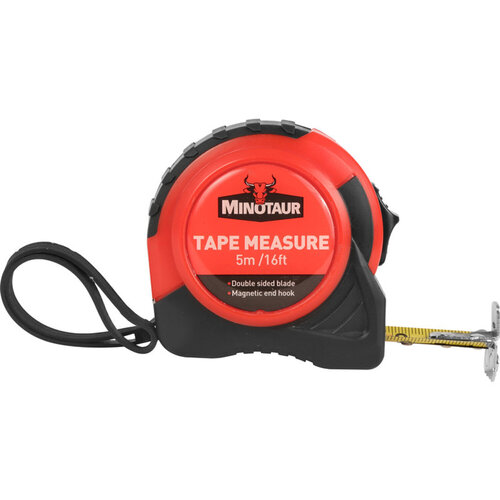
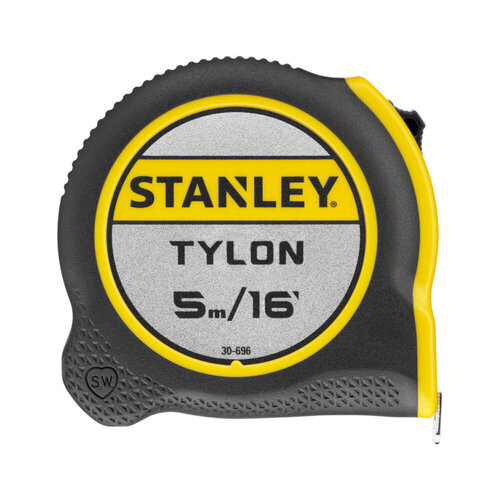
Minotaur Measuring Tape - 5m
5m tape measure with double-sided metric and imperial markings
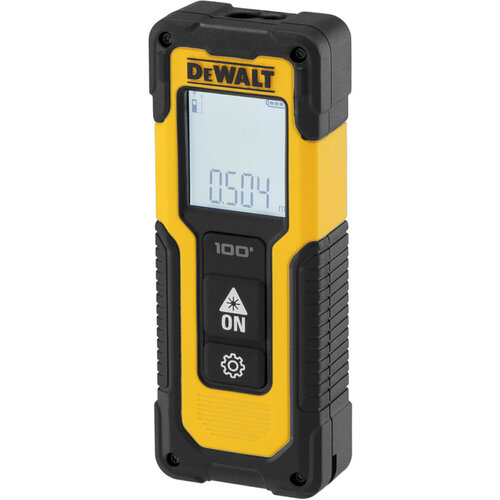
Dewalt DWHT77100-XJ Laser Distance Measurer - 30m
Pocket-sized 30m laser distance measurer with IP54 rating, accurate to ±3mm at 1…
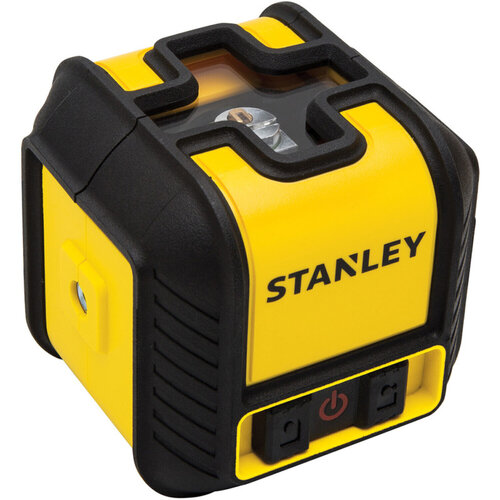
Stanley Cubix Laser Level - Red
Red cross line laser level with 12m range, self-levelling ±4°, for interior use.
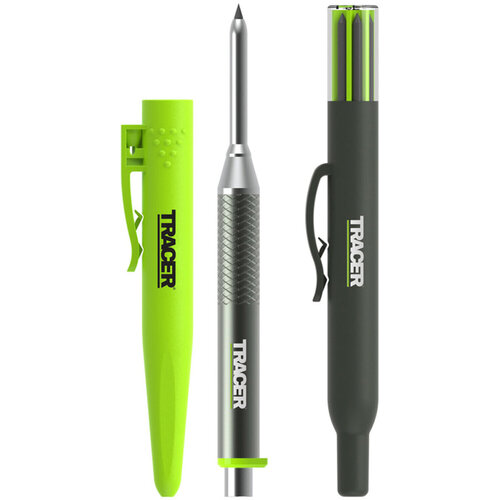
Tracer Pro Series Deep Hole Construction Pencil Kit
Tracer Pro Series deep hole pencil, marks up to 145mm, with holster grip
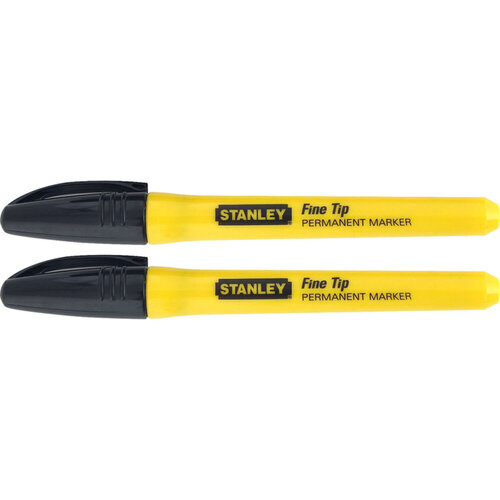
Stanley Fine Tip Marker - Black 2 Pack
2-pack of black fine tip permanent markers, quick-drying and water resistant
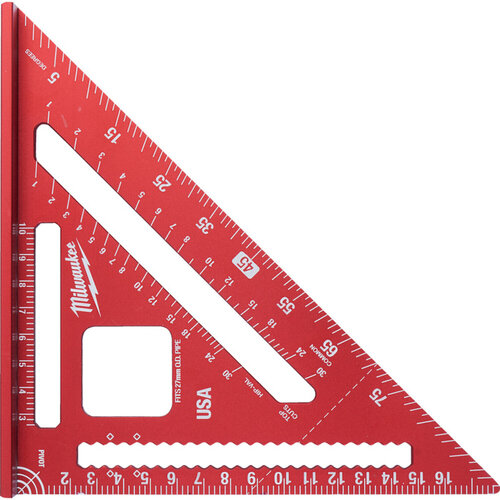
Milwaukee Rafter Square - Metric
Metric rafter square with anodised aluminium frame and laser-etched markings
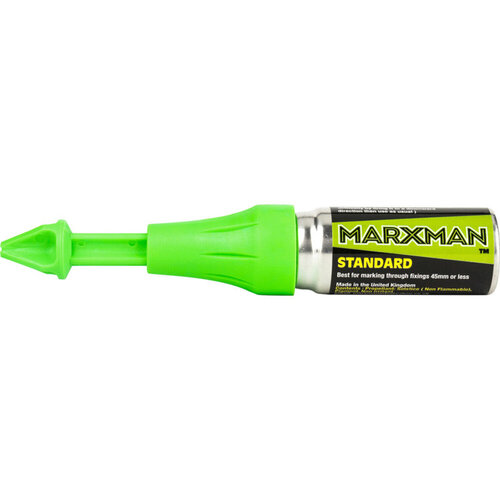
Marxman Pen - Standard - 59010
Green chalk marking pen for drilling positions up to 45mm deep
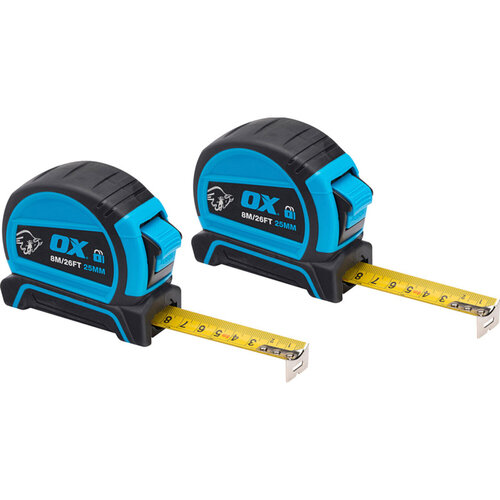
OX PRO Double Locking Tape Measure - 8m Twin Pack
8m twin pack tape measure with double-sided blade and lock and go mechanism
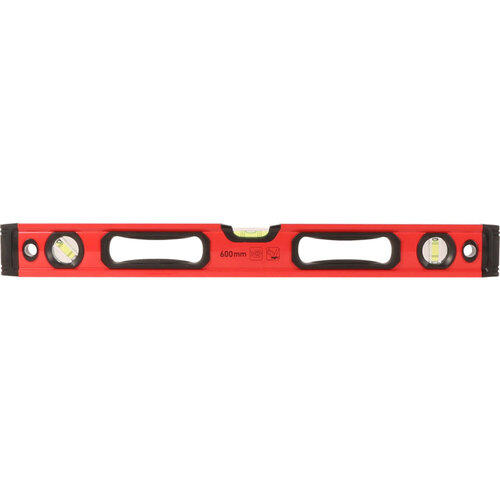
Minotaur Trade Spirit Level - 600mm
600mm aluminium spirit level with three vials and V-groove base
For the Trade
Start with the space you’ve got and how the job will be used, then narrow the measuring tools from there. Tight access changes the choice fast. So does working solo. In those cases, you want something easy to carry, read and reset without fighting it. If the job needs repeat checks or more certainty over longer runs, precision measuring tools or digital measuring tools usually make more sense than a basic hand-held option. Frequency matters too. Kit that gets knocked about every day needs a different finish from the one that only comes out for setting-out and final checks.
Angle Finders
For angle work, the first call is whether you just need to transfer a setting or want a direct read each time. A simple bevel-style option is usually enough for passing an angle on. Angle Finders make more sense when you want less trial and error.
It comes down to speed against simplicity. The more exact the read, the more you rely on the tool being set and read properly. The ones that stay in use are the ones that cut out a second check.
Laser Levels
If you need a line you can see across the room, Laser Levels are the ones to look at. They suit setting out, alignment and repeat marks where a visible reference saves time.
For short checks and tighter work, hand-held options still make more sense. Lasers speed up longer runs, but only if you can see the beam clearly. A lot of call-backs start with the wrong tool for the distance, not the wrong measurement. Laser Levels are the next step when that’s the job in front of you.
Laser Measures
When the job is about distance rather than a quick check, you’re weighing speed, reach and how much detail you need back.
Laser Measures come into their own on solo jobs and longer runs. You get a reading without dragging a tape through the space. The trade-off is losing the simple physical reference some lads still want on awkward layouts.
If you need fast room-to-room figures, they make sense. If you want a hands-on check, a tape or other measuring tools is still the cleaner call.
Marking Gauges
Marking gauges are the one you reach for when the job is about carrying a line, not checking a dimension. They suit joinery and repeat marking where the setting needs to stay consistent off an edge. That is where they beat broader measuring tools.
A decent one saves you from chasing a pencil line that wanders. That is usually what causes the rework. If you are only marking once or twice, a ruler and square may be enough. Once you are repeating the same offset all day, a gauge is the cleaner choice because it holds the setting and keeps the mark consistent.
Measuring Wheels
Measuring wheels make sense when you need quick ground distances and you’re not working off a fixed point with a tape. They suit longer external runs, site layouts and rough take-offs where walking the line is quicker than dragging out a long measure.
You do give up some precision compared with finer measuring tools, so they are not the answer for tight tolerances or finish work. In practice, the wheel that tracks cleanly and resets properly is the one that saves you grief - a sloppy counter is usually where the bad figure starts.
Micrometers
Micrometers are the ones you reach for when the job needs a tighter check than general measuring tools will give you. They confirm a small dimension properly, not just close enough for site fit.
Compared with vernier callipers, you give up speed and range, but you get a more controlled reading on fine tolerances. That is why they stay in the box for machining, inspection, and repeat checks where a sloppy reading costs you. If you only need quick dimensions, a calliper is usually the quicker buy.
Choosing Materials and Size
The first question is how much accuracy the job needs. For rough setting-out, standard measuring tools are usually enough, and they’re quicker to live with on site.
When you need repeatable checks or tighter tolerances, digital measuring tools and other precision measuring tools make more sense. You give up a bit of simplicity, and you usually pay more for it.
Material and build matter as well. A tougher frame or blade stands up better to site abuse. Lighter kit is easier to carry all day, but it may not take the same punishment.
If you’re building out a kit, keep the working pieces together with Tool Storage, and add Power Tool Accessories when the job needs measuring gear to sit alongside the tools you already use.
Completing the Setup
Once you’ve picked the measuring tools, the next call is how you’ll store and protect them. That keeps the set usable on site.
A case or organiser makes sense when the kit moves between jobs and takes knocks. A simple pouch works if it lives in the van and only comes out for one trade. Digital measuring tools usually need more care than a steel rule or tape. Leave them loose in a toolbox, and they’re the ones that come back damaged or out of true.
Related searches
Local availability for Measuring Tools