Drilling
Pick drilling accessories by the hole you need to make, the material you’re going into, and whether the bit has to suit a standard drill or an SDS machine. For most jobs, the choice is between general-purpose drill bits and a more specific option: masonry drill bits for block and brick, hss drill bits for cleaner metal work, wood drill bits where you want a tidier cut, and cobalt drill bits when heat and wear start to matter. A drill bit pack helps when you want the common sizes together, but the wrong layout just leaves you paying for bits you won’t use.
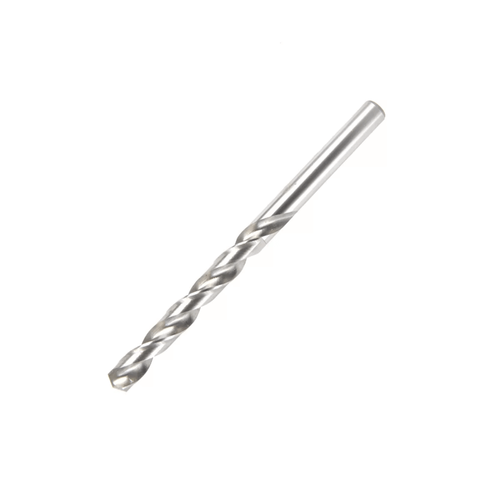
Armeg HSS Drill Bit Premium-Line Split Point - 6mm
Armeg premium-line HSS split point drill bit, 6mm.
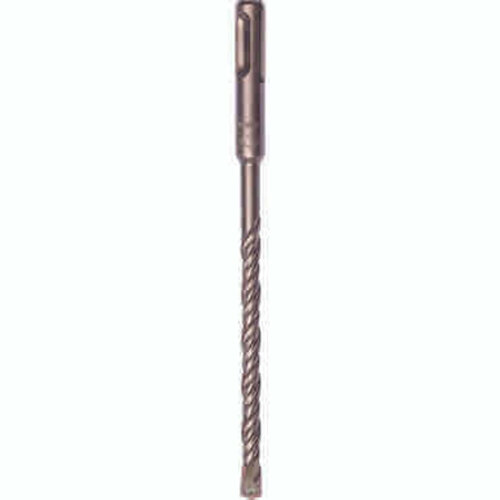
Dart Tools Premium SDS+ Hammer Drill Bit - 6mm x 160mm
SDS+ hammer drill bit for masonry and concrete, 6mm x 160mm
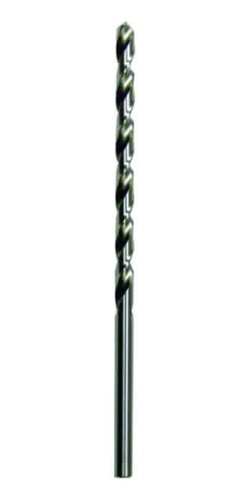
Reisser HSS Ground Long Series Drill Bit - 6mm
6 mm HSS long series drill bit with 135° split point, fully ground.
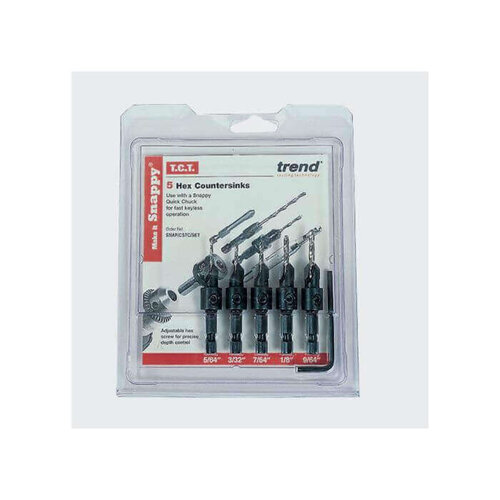
Trend Snappy TCT Countersink Set - 5 Piece
5-piece countersink set for hidden fixings in wood and sheet materials
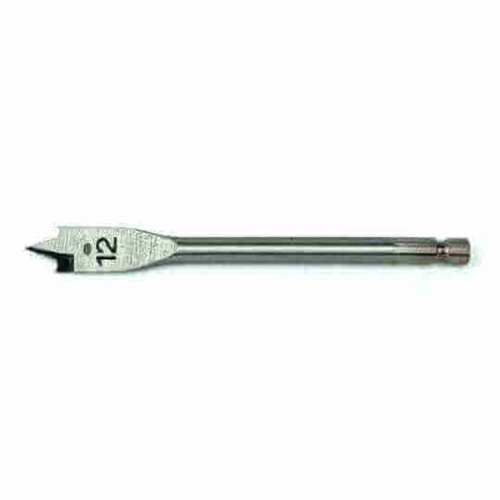
Flat Wood Bit - 12mm
Timco 12mm flat wood drill bit in carbon steel
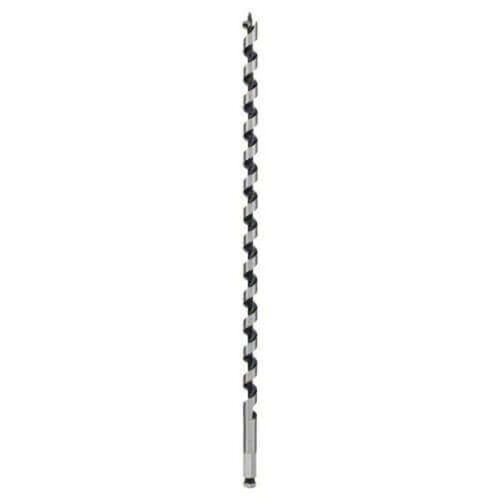
Bosch Hex Shank Auger Drill Bit - 14mm x 450mm
14mm x 450mm Hex Shank Auger Drill Bit, self-feeding tip, for wood
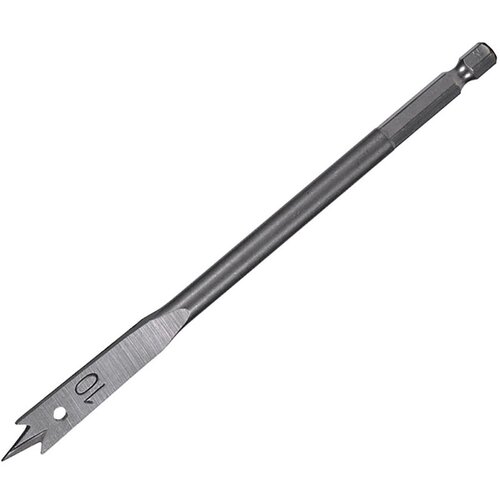
ROKTOR Hex Shank Flat Wood Drill Bit - 10mm x 152mm
ROKTOR 10 millimetre flat wood drill bit, 152 millimetres long
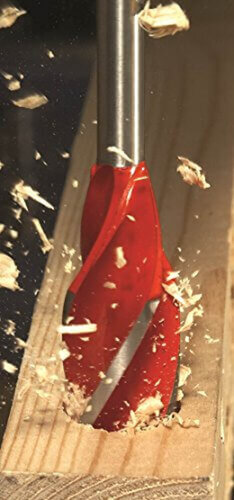
Armeg Stubby Set Wood Beaver Drill Bits - 3 Piece
3-piece set of Armeg stubby wood drill bits
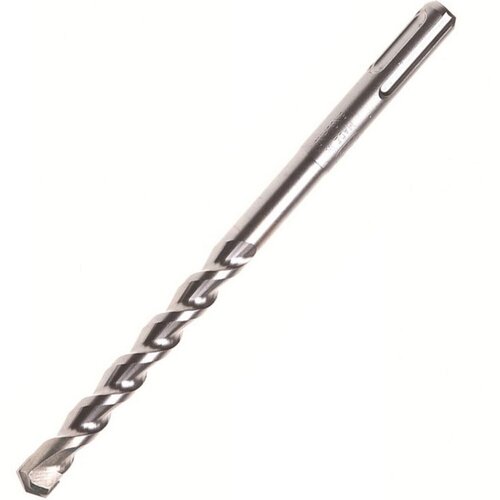
Armeg QFDS SDS Plus Hammer Drill Bit - 12mm x 250mm
12mm x 250mm SDS Plus hammer drill bit for hard masonry
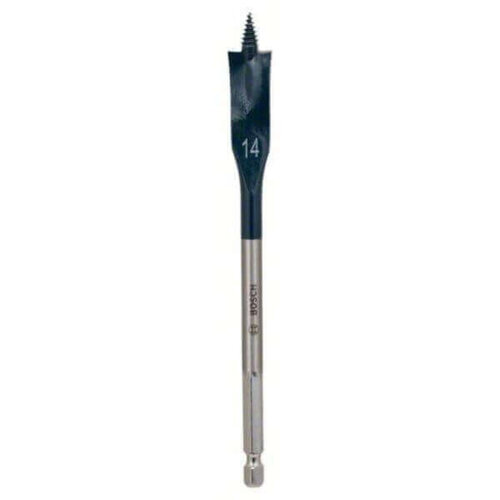
Bosch Self Cut Speed Spade Wood Drill Bit - 14mm x 152mm
Self-feeding wood spade bit 14 x 152mm, 1/4" hex shank
For the Trade
You narrow drilling accessories by the substrate first, then the fixing size, because the wrong bit type causes more grief than chasing a nominal diameter. Check whether you are into masonry, timber or metal before you worry about the finish of the hole. A standard drill bit pack suits mixed small jobs and keeps the van simple. Go more specific when the material stays the same and the call-backs matter. If you are moving across different materials in one day, the compromise shows up fast.
Types of Drilling
For most jobs, it comes down to a drill bit pack for mixed work or a single bit for repeat drilling. A pack keeps you moving when the job changes through the day, but you give up some efficiency on the material you use most.
Single drilling bits make more sense when the same hole type keeps coming up. You stay focused on one cut, with less compromise on wear or finish.
If you need to match the bit to the machine, start with a standard twist bit or a more specific option from the drilling accessories range. Power Tool Accessories is the parent hub if you’re cross-checking the wider range.
Selection Factors for Drilling
Start with the material and the hole size you need, then check the fit to the machine before anything else. Most wrong buys come from the basics - wrong chuck or SDS fit, wrong diameter, or a point style that does not suit the substrate. Wood drill bits suit cleaner starts in timber. HSS drill bits are the usual pick for metal because they handle heat and edge wear better.
Cobalt drill bits hold up better on harder work, but they cost more. If you cover mixed jobs, a drill bit pack gives you more reach across the day. When the same fixing comes up again and again, a single bit still makes sense. Keep the drilling accessories matched to the job, not the box.
Finish the Room
Once you’ve picked the drilling accessories, the next call is the anchor, plug or screw that matches the hole you’ve just made. That’s where jobs go wrong. The bit can be right and the fixing still not hold.
If you’re working through mixed substrates, keep the bit choice tight and match the fixing to the base material. A sloppy fit usually shows up as spin, wobble or a call-back.
For repeat work, a drill bit pack is handy. On a single-spec job, you’re usually better with the exact bits you need and the right fixings beside them.
Related searches
Local availability for Drilling


















