Holesaws & Arbors
When you’re choosing holesaws and arbors, start with the material and the number of cuts you need to make. Bi-metal usually covers general metal and timber work, while diamond or tile versions suit surfaces that can’t chip or glaze. Check the arbor as well. A loose fit or the wrong pilot drill is where you lose time and end up swapping parts on the job.
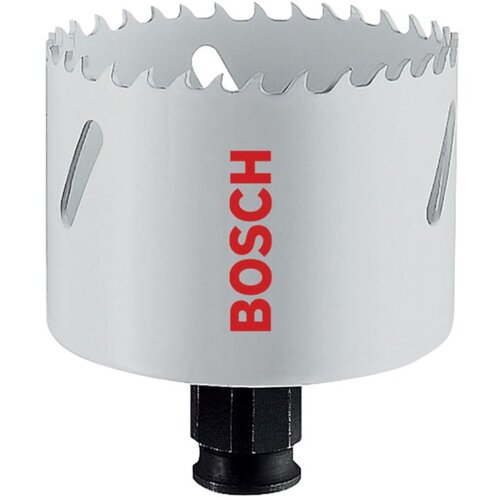
Bosch Progressor Holesaw - 54mm
54mm Bosch Progressor holesaw with Bi-Metal construction
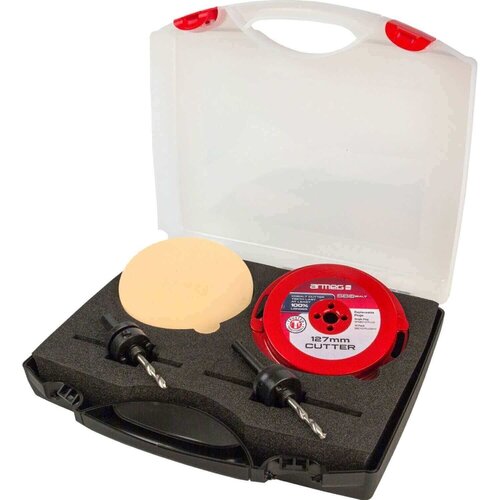
Armeg Complete Solid Board Cutter Set - 127mm
Armeg solid board cutter set creating 127mm holes in chipboard up to 22mm thick.
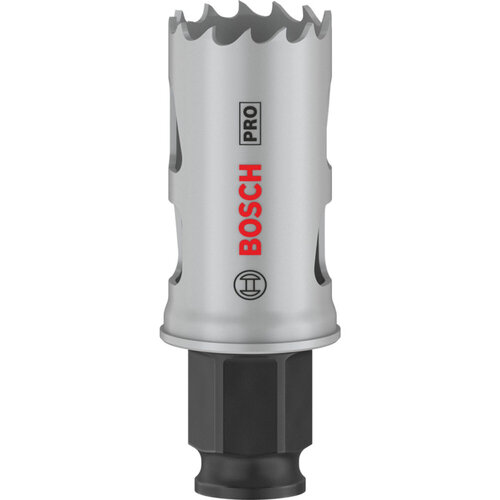
Bosch PRO Multi Material PC Plus Hole Saw - 25mm
25mm hole saw with 8% cobalt HSS for multi-material cutting, up to 44mm depth
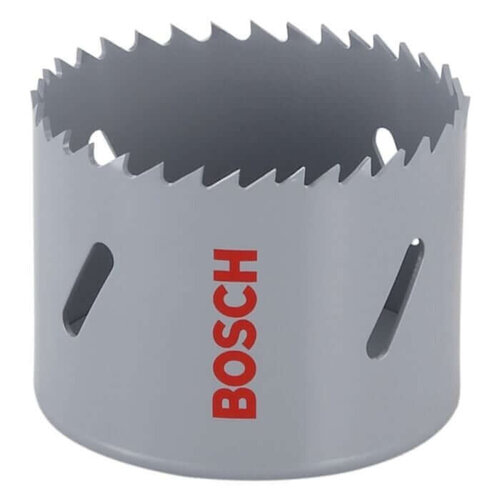
Bosch Holesaw Standard HSS Bi-Metal - 60mm
60mm bi-metal HSS holesaw with cobalt alloy for smooth cuts in metal, plastic an…
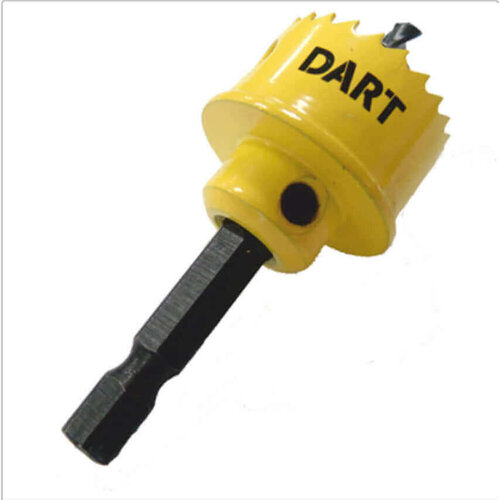
Dart Tools Premium Mini Holesaw - 22mm
22mm mini holesaw with 8% cobalt for sheet metal, impact driver compatible
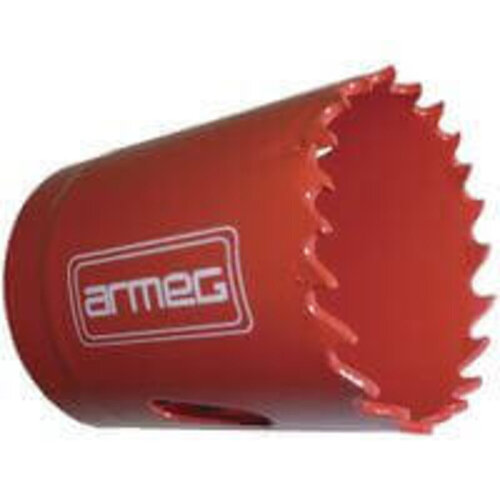
Armeg Cobalt Vari-Pitch Holesaw - 32mm
Armeg Cobalt Vari-Pitch holesaw 32mm, M42 steel with 8% cobalt, suitable for ste…
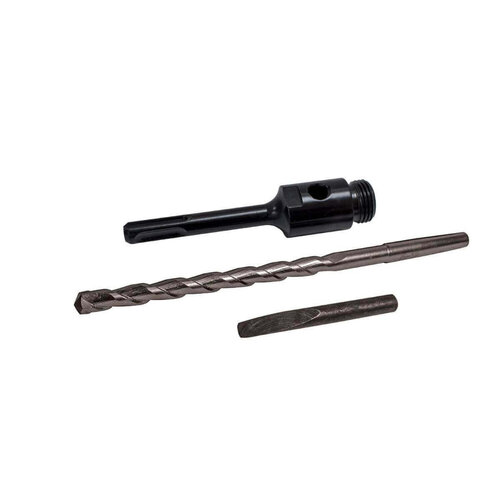
Mexco SDS Adaptor Pack with Drift Key and A-Taper Guide Rod - 175mm
SDS adaptor pack with drift key and A-Taper guide rod for diamond core bits
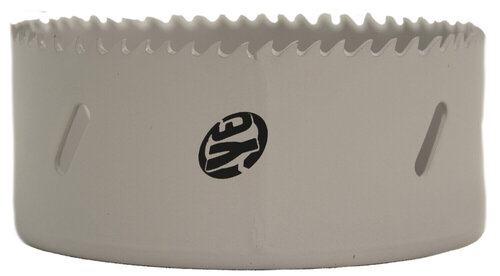
Your Esssentials M3 Bi-Metal Holesaw - 102mm
102mm bi-metal holesaw, M3 high speed, variable tooth
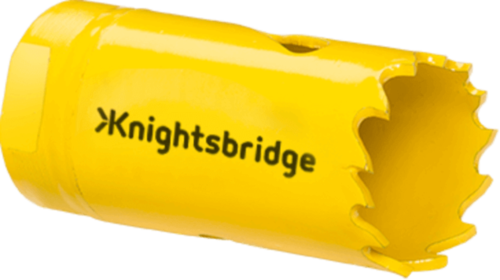
Knightsbridge Bi-metal Holesaw - 25mm
25mm bi-metal holesaw with 38mm cutting depth
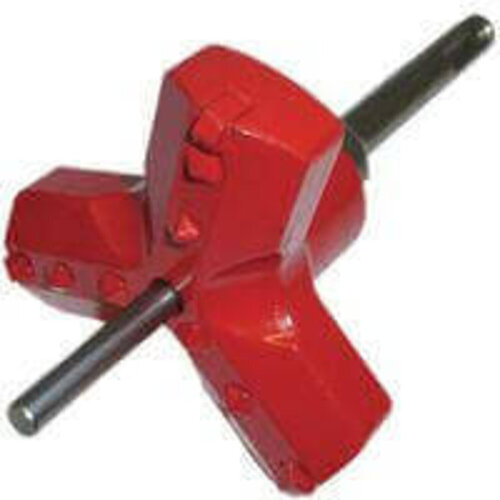
Armeg Tri-Cut Round Cutter with SDS+ Drive Adaptor
78mm Tri-Cut round cutter with SDS+ adaptor for hard materials
For the Trade
The first question is what you’re cutting and how many holes you’ve got to do. For a one-off or a short run, holesaws and arbors with a decent pilot and a solid lock-up are usually enough. On repeat work, the arbor and saw fit matters more, because a sloppy drive wastes time and chews the teeth. If the job shifts from timber to sheet metal or tile, that’s where the spec changes, not the size on the box. More call-backs come from the wrong cutter than from the wrong drill.
Holesaws & Arbor Options Compared
A fixed holesaw arbor suits the odd one-off size. There’s less to assemble, so you get on with the cut. The trade-off is flexibility.
Separate holesaw arbors make more sense when you’re running different diameters through the day. Keep the holder, swap the saw, and move on. Holesaw drill bits are the cleaner option when you want the lot matched. You lose some choice if the job changes.
Power Tool Accessories is the parent range if you’re building the rest of the kit.
Choosing Materials and Size
Start with what you’re cutting and how clean the finish needs to be. A wood holesaw suits timber and sheet goods when speed matters. A bi-metal holesaw is the usual pick for mixed materials or light metal. It lasts better, but it won’t always cut as freely.
Tile and diamond versions are the ones to use when the face has to stay intact. They cut slower and give you less room for error. If you’re only carrying one setup, check the holesaw arbors as well. A poor fit is what usually causes wobble and call-backs. If you’re also picking up finishing gear, Multi Tool Accessories and PT Sanding Accessories are the usual next stops.
Completing the Setup
Once you’ve picked the holesaws and arbors, the next question is what else is going into the same opening or finish. On plenty of jobs, the surrounding panel, screen, storage or waste detail decides whether you need a cleaner cut or a different size altogether.
If the hole is for a waste, accessory or service point, get the saw and arbor matched before you start. That’s where holesaws and arbors earn their keep. They save you from forcing the wrong size and opening it up later.
Related searches
Local availability for Holesaws & Arbors

















