Multi Tool Accessories
Multi tool accessories come down to the cut you need and how often you’ll change it. Fine-tooth blades suit cleaner work and tighter control, while wider or coarser options move faster but leave a rougher finish. For mixed jobs, a small set makes sense. If you’re on one task all day, a single blade type is often the better call because you’re not paying for pieces you won’t use.
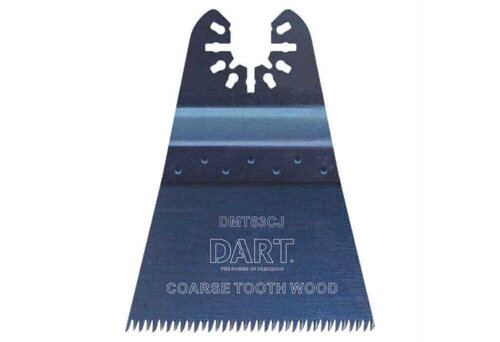
Dart Tools Japanese Tooth Multi-Tool Sawblade - 32mm
32mm Japanese tooth oscillating multi-tool blade for wood and plastic
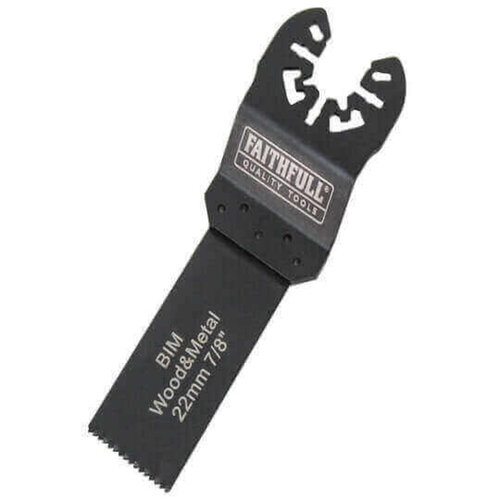
Multi-Functional Tool Flush Cut - 22mm 5 Pack
Flush cut multi-tool accessory suitable for 22mm pipework, pack of 5
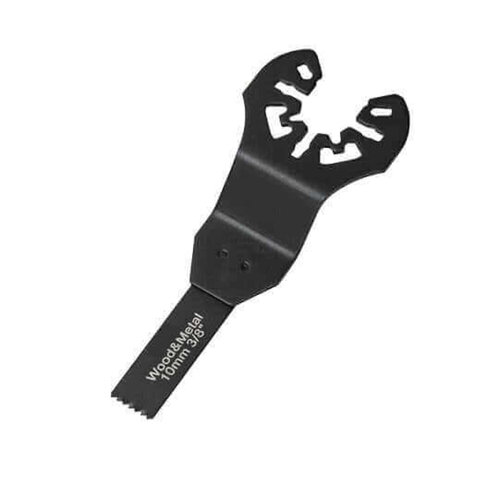
Faithfull Flush Cut Wood/Bi-Metal Blade - 10mm
Faithfull 10mm flush cut wood/bi-metal blade.
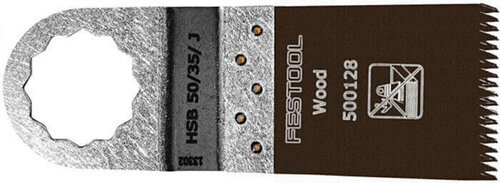
Festool Multi Tool Blade Wood - 5 Pack
5-pack multi-tool blades for precise wood cutting, fits Festool OS 400
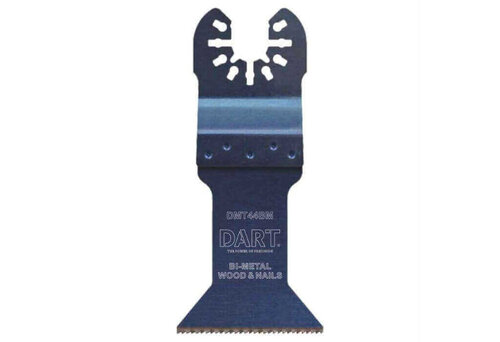
Dart Tools Bi-Metal Multi-Tool Saw Blade - 32mm
32mm bi-metal oscillating saw blade for multi-tools
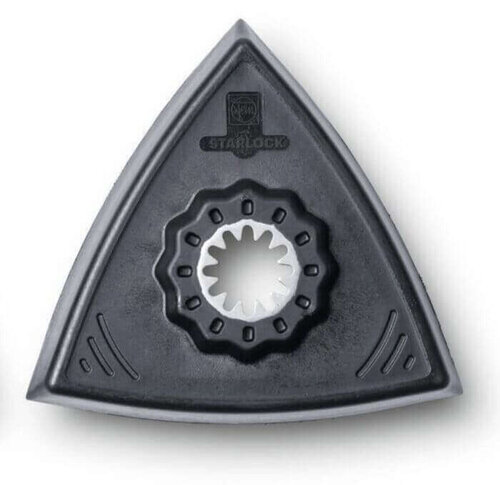
Fein Multi Tool Delta Sanding Pad - 2 Pack
2-pack delta sanding pad with hook-and-loop surface and Starlock mount
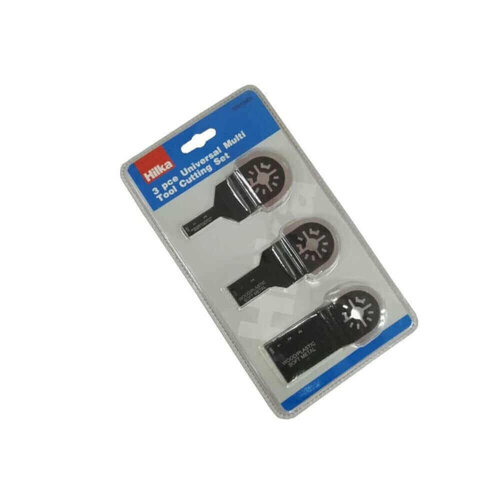
Hilka Universal Multi Tool Blade Set - 3 Pack
3-piece universal multi tool blade set for softwood, timber and plasterboard
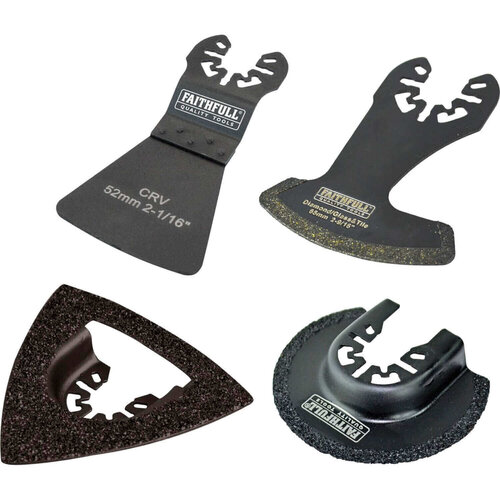
Faithfull Multi-Tool Tiling Kit - 4 Piece
4-piece tiling blade set for oscillating multi-tools
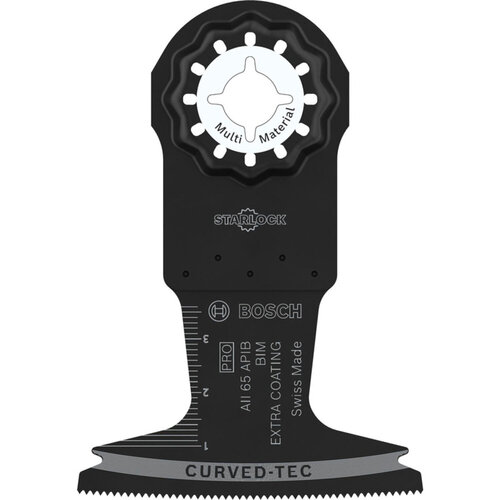
Bosch PRO Plunge Cut Multi Tool Blade - 65 x 40mm
65x40mm multi-tool plunge cut blade with Curved-Tec and Starlock mount
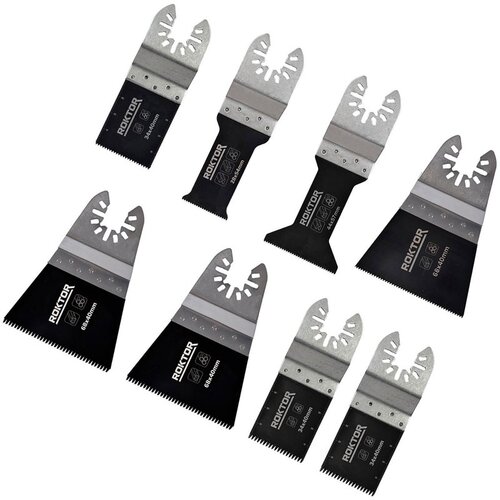
ROKTOR Multi-Tool Multi-Material Blade Set - 8 Piece
ROKTOR eight-piece multi-tool blade set for cutting wood and plastic
For the Trade
Start with the space you’ve got and how you’re using the tool. That usually decides the accessory before finish or extras do. A tight cut in a corner, a flush trim against a skirting line, or scraping in a confined area all point you in different directions. The wrong blade or pad wastes time and chews through consumables. The right one keeps the job moving without you fighting the tool. On site, it usually comes down to access, cut speed, and how much control you need, not just the label on the pack.
Types of Multi Tool Accessories
For most jobs, you’re choosing between speed, reach and finish.
Multi tool blades are the general pick for cutting timber, plasterboard and mixed fixings. They cover the everyday work and keep the kit simple. Multi tool plunge cut blades suit jobs where you need to start cleanly without wandering, so they replace a more cautious first cut.
Multi tool saw blades usually give you a bit more bite for repeated cuts, but they can leave a rougher edge if you push them too hard. Sanding pads are the one to buy when the tool is finishing off awkward corners. Scraper blades or grout removal blades make more sense when the job is removal rather than cutting.
If you’re building the rest of the kit, Power Tool Accessories keeps the choice in the right place.
Selection Factors for Multi Tool Accessories
The first question is what the tool is doing on the job, because multi tool accessories wear very differently once you move from cutting to scraping or finishing. A cheap pack can do the odd job, but once you are through a lot of material, blade edge and backing quality matter more than the headline price.
Universal fit saves faffing between tools. Quick-change systems are faster in hand and worth it if you are swapping often. If the job is edging into trim work, Routing is the cleaner next step. If you are just driving fixings, Screwdriver Bits is the better buy.
Finish the Room
Once you’ve picked the main accessory, the next call is what still needs doing around it. If you’re only handling a few awkward cuts, multi tool accessories may be enough. If the job also needs trim, fixings or a clean finish to the surrounding work, you’ll usually be into the next purchases straight after.
That’s where the rest of the power tool accessories range comes in. The follow-on items change with the job. A site that’s still moving needs the consumables that keep work going. A tidy close-out often comes down to the last few details rather than the cutting itself.
Related searches
Local availability for Multi Tool Accessories











