Paddle Mixers
Paddle mixers come down to what you’re mixing, how heavy the batch is, and whether you need a drill-mounted paddle or a dedicated electric paddle mixer. A lighter plaster or paint job usually wants a smaller, faster paddle. Thicker mortar or cement mixes need more torque and a shape that won’t just spin in the bucket. The wrong paddle chatters, drags the drill down, or leaves lumps behind. Match the mixer paddle to the material rather than grabbing the nearest one.
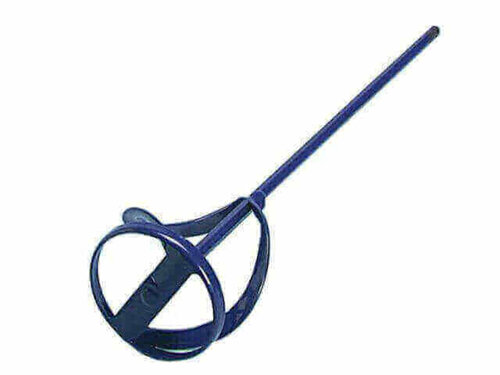
Faithfull Mixing Paddle - 100mm x 600mm
100x600mm heavy-duty mixing paddle for power drills, mixes up to 20kg
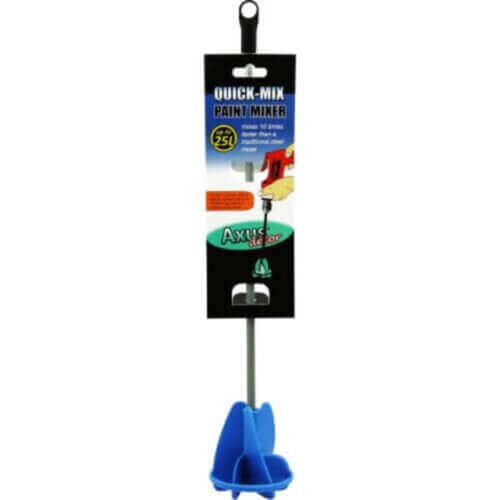
Axus Decor Blue Series Quick Mix Paint Mixing Paddle - Mixes up to 25L
Paint mixing paddle, mixes up to 25 litres
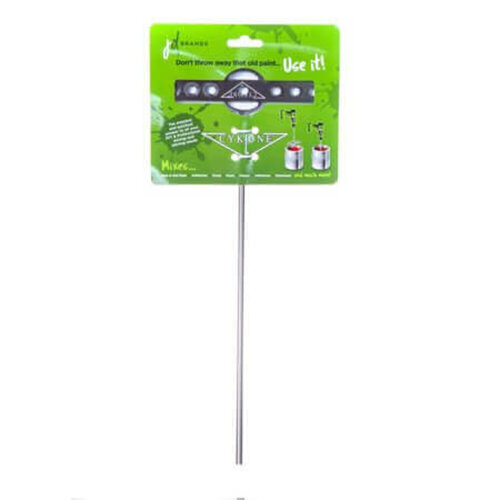
Paint Mixer
Cyklone paint mixer for fast mixing of paints and adhesives in under 40 seconds
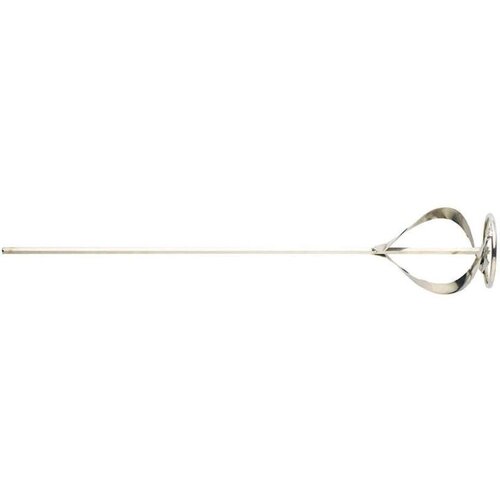
Tyzack Large Mixing Paddle - 115 x 600mm
Tyzack mixing paddle for mortars and plasters, 115 x 600mm
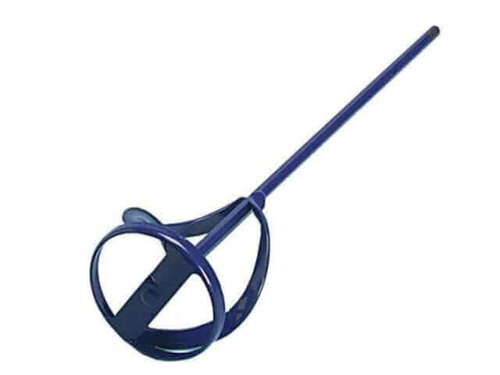
Faithfull Mixing Paddle - 120mm x 600mm
Mixing paddle 120 x 600mm, for 13mm chuck drills (min 600W)
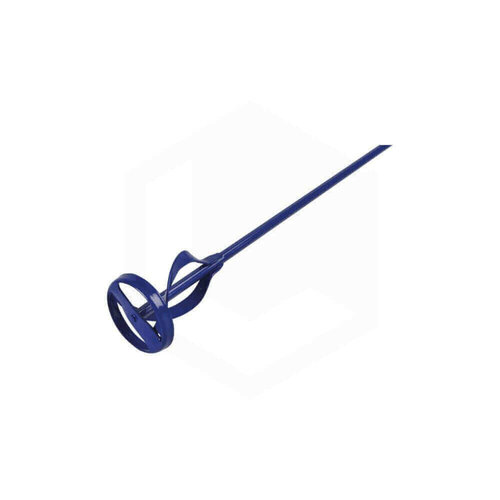
Faithfull Plaster Mixing Paddle - 60mm
Plaster mixing paddle, 60mm
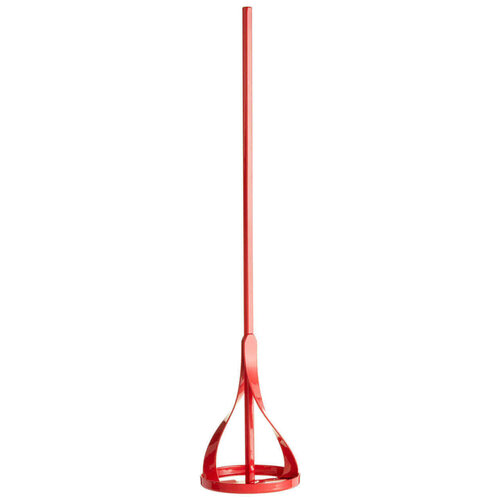
Fit For The Job Painter Mixer - 16"
Painter mixer 406mm (16 inch)
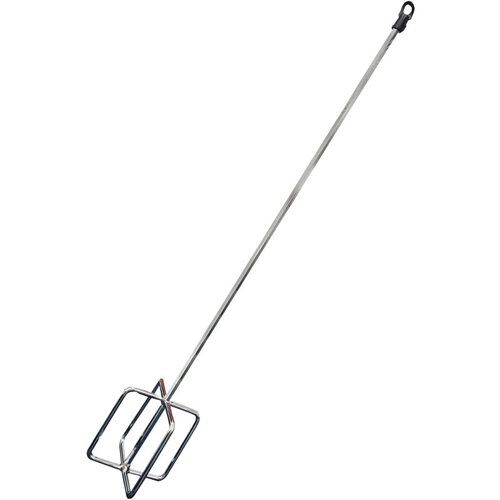
Marshalltown QLT Eggbeater Mixer - 7/16" hex
Eggbeater mixer with 7/16" hex shank for lump-free material mixing
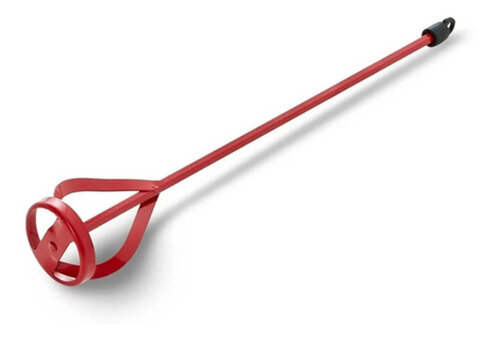
Tolsen Paint Mixer - 600mm x 120mm x 10mm
Professional paddle mixer for paints and adhesives, fits standard drill chucks
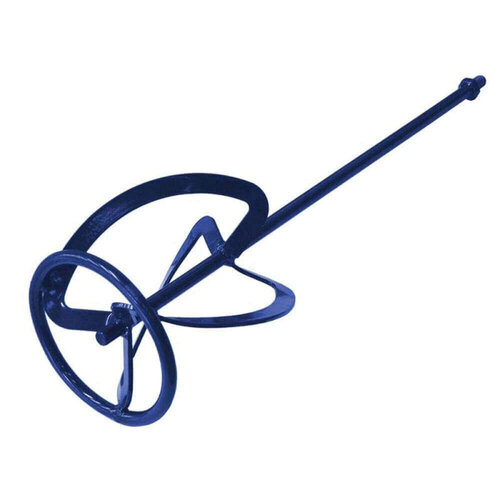
Faithfull Mixing Paddles - M14 160mm x 600mm
M14 paddle mixer 160 mm x 600 mm for 850W+ machines, mixes adhesives, screed, pl…
For the Trade
Start with the space you’ve got and how the mixer will be used on the job, then work back from there. If you’re tight on room or moving between floors, a compact electric paddle mixer is usually easier to handle than a bulkier setup, even if it gives up a bit of ease on bigger batches. For heavier work, the mixer paddle and shaft length matter more than finish or extras, because a poor match is what leaves you fighting the bucket. Frequency matters too. Occasional mixing doesn’t call for the same kit as daily site use.
Paddle Mixer Types and Layouts
At the counter, the first split is between a paddle mixer and a mixer paddle. A paddle mixer is the usual pick when you want the drill and mixing head matched as one setup, especially for repeated mixes.
A mixer paddle suits you when you already have the drill and only need the attachment. It keeps spend down, but the drill takes more of the load.
Electric paddle mixers are the better call when you want a dedicated tool for regular use. They cost more, but they are easier to keep on with than pushing a standard drill all day.
If you are buying across Power Tool Accessories, that is where the rest of the range starts to line up.
What to Check Before You Buy
The main call is what you’re mixing and how hard you’ll work the tool. For lighter compounds, a smaller mixer paddle on a drill is usually enough, and it’s easier to handle in a bucket. Once the material gets heavier or you’re doing repeat batches, paddle mixers with a proper motor save you fighting the tool and burning out a drill.
Shaft length matters too. Too short and you leave material at the bottom. Too long and it gets awkward in tight tubs.
If you’re picking up finishing gear as well, PT Sanding Accessories usually goes in the same order. For other prep and fix-out jobs, Multi Tool Accessories is the next counter conversation.
Useful Alongside Paddle Mixers
Once you’ve settled the mixer, the next call is usually the finish around it and what’s going back in. On a refurb or fit-out, that often means panels and screens where you need a clean boundary, plus storage and waste pieces that keep the room workable once the wet trade’s out.
If the job is moving on to other prep, the related bits in power tool accessories are worth a look too. Multi tool accessories help with trimming and cut-outs. PT sanding accessories come in when you’re taking a surface on before the final finish. That’s the sort of thing that saves a second trip once the mixer’s done its part.
Related searches
Local availability for Paddle Mixers










