PT Sanding Accessories
Match the sanding accessories to the machine and the finish you need. Hook and loop sanding discs suit quick changes on random orbitals, while sheets and pads work better on detail and finishing sanders where shape matters more than speed. Mesh helps when dust loading is the issue, but it is not always the cheapest way through a job. The wrong backing or hole pattern leaves you with wasted discs and a poor finish.
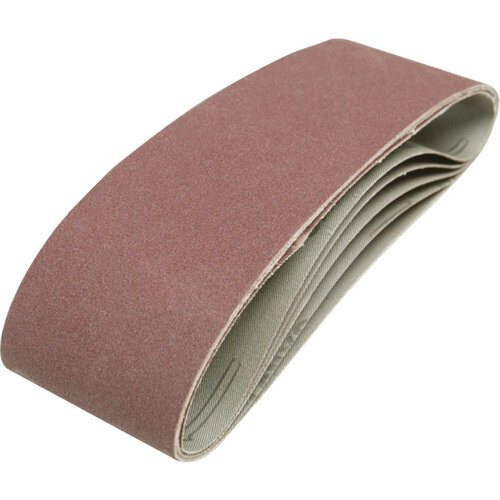
Cloth Sanding Belt 75 x 533mm - 40 Grit 5 Pack
75x533mm cloth sanding belt, 40 grit, pack of 5
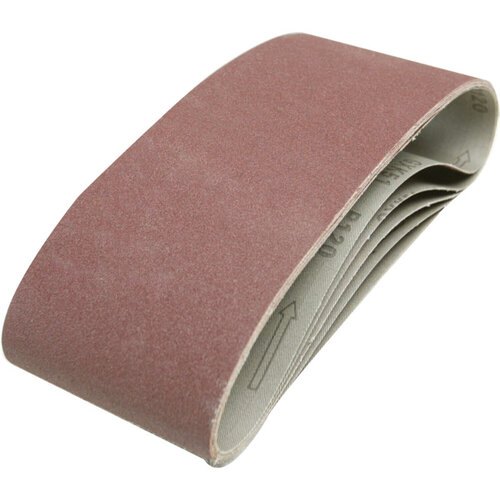
Cloth Sanding Belt 100 x 610mm - 60 Grit 5 Pack
Cloth sanding belt, 60 grit, 100 x 610 mm, pack of 5
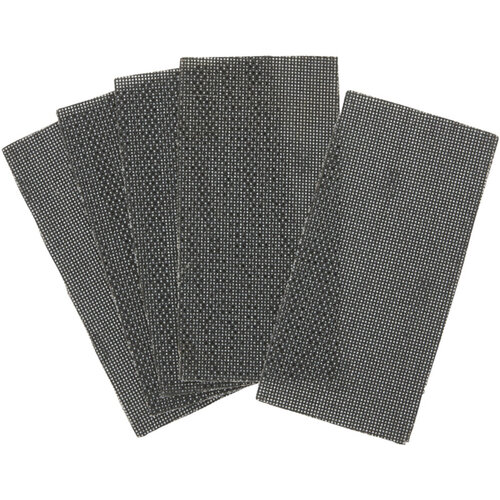
Dewalt Mesh 1/3 Sanding Sheet - 240 Grit 5 Pack
Dewalt 240-grit mesh sanding sheet (5 pack), silicon carbide
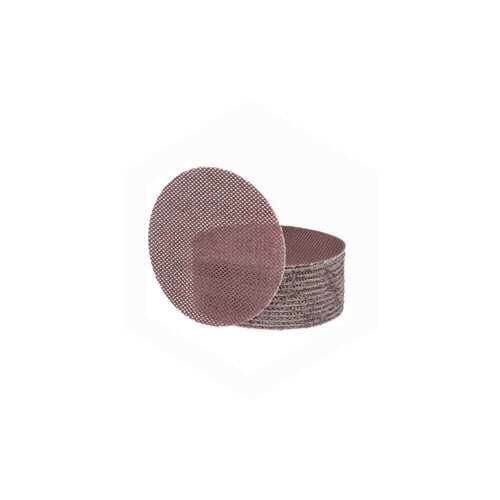
Mirka Abranet Ace HD Sanding - 125mm P40 5 Pack
Mirka Abranet Ace HD sanding discs, 125mm, P40 grit, 5-pack
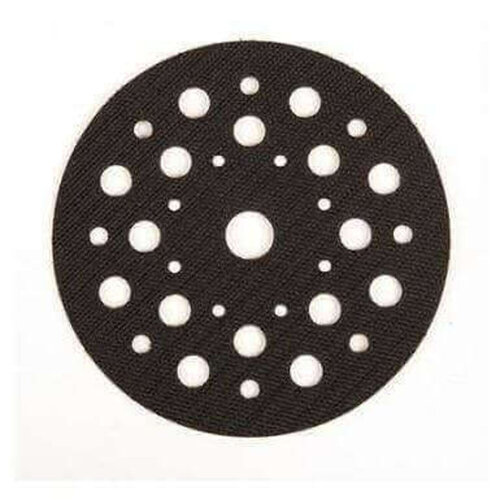
Mirka Pad Saver - 225mm
225mm pad saver to protect sanding backing pads
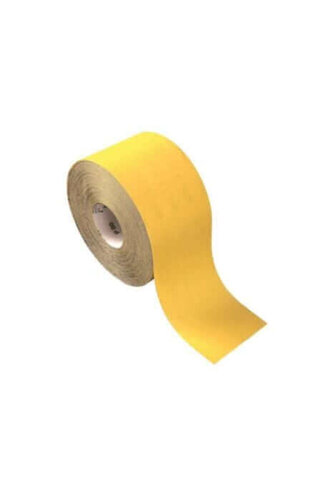
Mirka Sandpaper - 115mm x 50m 120 grit Yellow Oxide
115mm x 50m 120 grit aluminium oxide sanding roll for paint, wood, plaster and p…
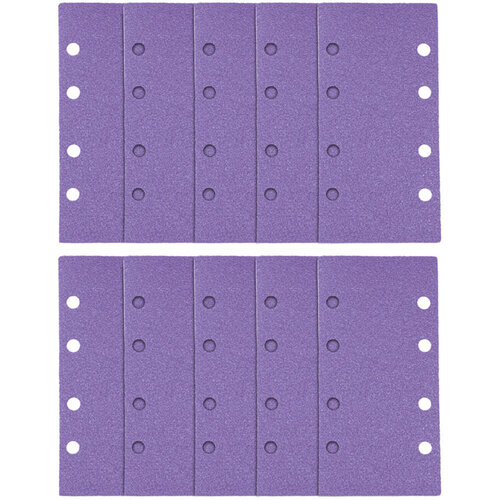
Trend Sanding Sheet 93mm x 185mm - Zirconium 1/3 Sheet Sanding Sheet 10 pc 93mm …
Zirconium 1/3 sheet sanding sheets, 60 grit, 10-pack for wood, paint, plaster an…
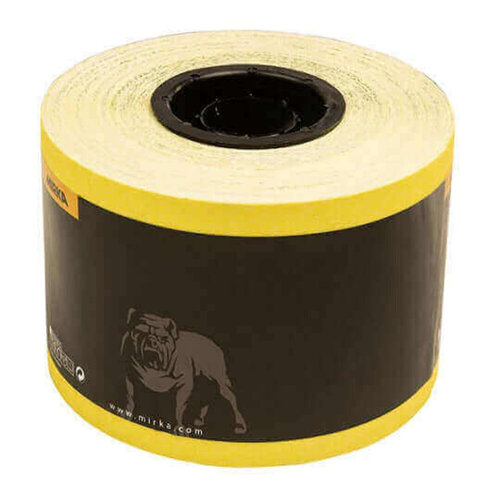
Hiomant Roll - 115mm x 5m P150
115mm x 5m P150 sanding roll
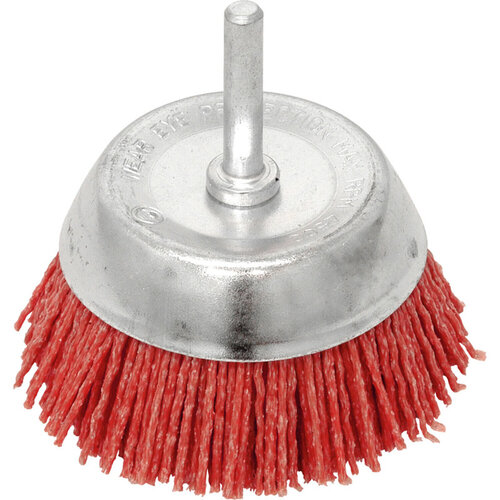
Abracs Nylon Brush End - 50mm
Nylon filament strip brush end, 50mm, for deburring and cleaning on metal, plast…
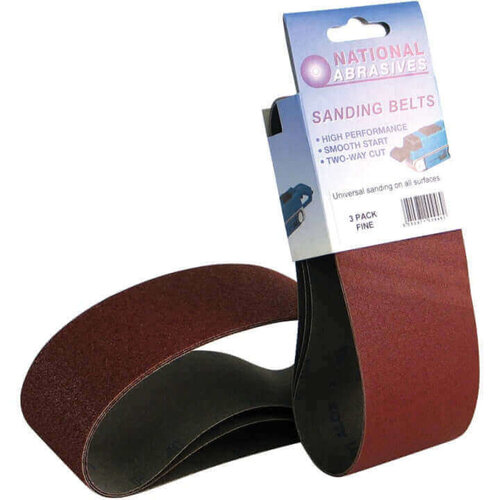
Sanding Belt Aluminium Oxide - 75mm x 533mm 2 Fine
Aluminium oxide sanding belt 75mm x 533mm fine grit for smooth finishing
For the Trade
Start with the space you’ve actually got and how the job will be used. That usually decides the sanding accessories before you get into finish or backing. Tight corners, small repairs and shaped areas need different sanding pads or sanding sheets from broad flats, and an awkward sheet will slow you down fast. If you’re running a machine, check the pad pattern and dust extraction first. If you’re hand-finishing, look at how quickly you’ll burn through the abrasive. In practice, the wrong format costs more in time than the price difference ever saves.
PT Sanding Accessory Options Compared
Start with the machine and how often you want to change abrasives. Sanding discs are the usual choice for random orbitals because they swap fast and handle general prep well. The trade-off is simple - they suit speed more than awkward shapes.
Sanding sheets still earn their place on finishing and detail sanders, where the format matters more than quick changes. Sanding mesh helps when dust loading slows you down, though you give up some cut on certain jobs. Keep sanding rolls for cut-to-length work. They give you flexibility, but they are less convenient when you need a fast swap.
If you are working across a few tools, stay within the right part of Power Tool Accessories rather than trying to force one format to do everything.
Choosing Materials and Size
What usually decides it is the machine, the finish, and how quickly the abrasive loads up. Hook and loop sanding discs suit random orbitals because they change fast and stay put better than loose fixings, but you do pay a bit more for that convenience.
Sanding sheets still make sense on detail and finishing sanders where you want a flatter face and better control on edges. Sanding mesh is the one to reach for when dust is the issue and you’d rather keep cutting than keep changing paper.
If you’re also picking up Multi Tool Accessories, sort those separately - the wrong abrasive on a multitool gets called back quickly. For heavier cutting work, Angle Grinder Discs sit in a different job altogether.
Completing the Setup
Once you’ve picked the sanding accessories for the machine, the next call is what else is happening around the job. If you’re finishing a room out, the surrounding panels, screens and storage matter because they change how much prep you’re doing before you even start sanding.
On a mixed fit-out, keep an eye on the adjacent finishes too. A rough substrate or a poor edge detail will chew through sanding pads and discs faster than the tool itself. That’s the bit that usually gets missed when the order is split up.
Related searches
Local availability for PT Sanding Accessories










