Routing
Choose router bits by the cut you need and how much work the edge has to take. Straight router bits suit general cutting and clean grooves, while rebate router bits and profile router bits are better when the job needs a specific edge or shoulder. For regular site use, carbide router bits usually hold up better than cheaper cutters, especially when you’re running a lot of timber and want to avoid constant swaps.
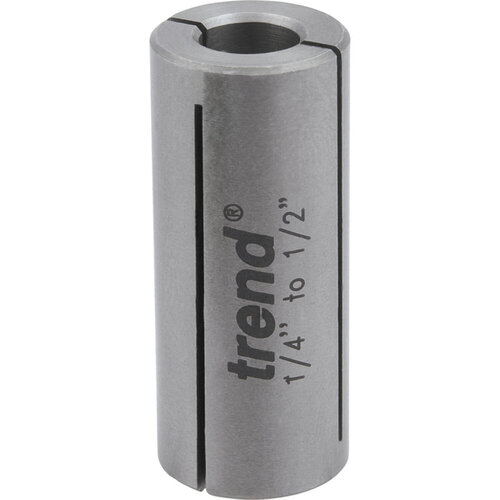
Trend Collet Sleeve - Collet sleeve 6.35mm to 12.7mm
Collet reduction sleeve reduces from 12.7mm to 6.35mm bore for smaller router cu…
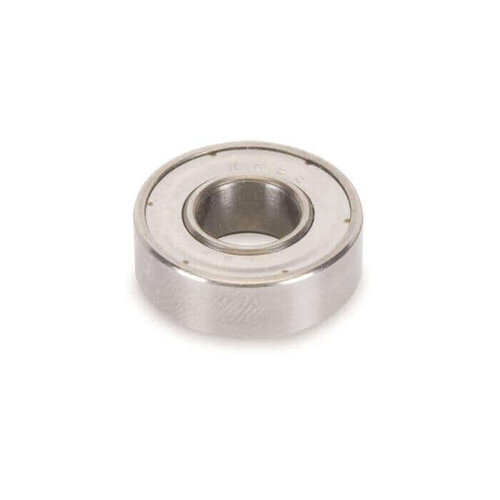
Trend Bearing - 3/4" x 1/4" bore
Trend router cutter bearing, 3/4in OD, 1/4in ID, for 1/4in shank
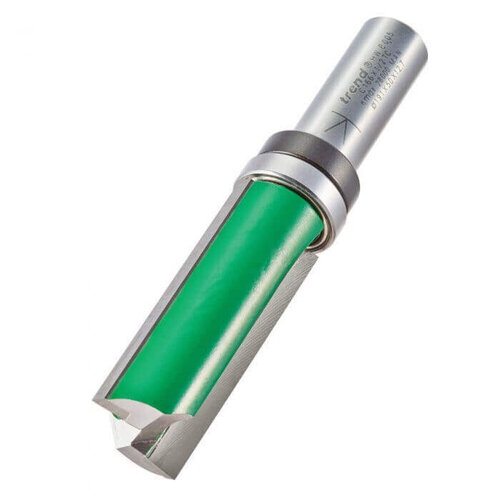
Trend Profiler - 19.1mm diameter x 50mm cut
19.1mm diameter flush trim router cutter with 50mm cutting depth and 1/2in shank
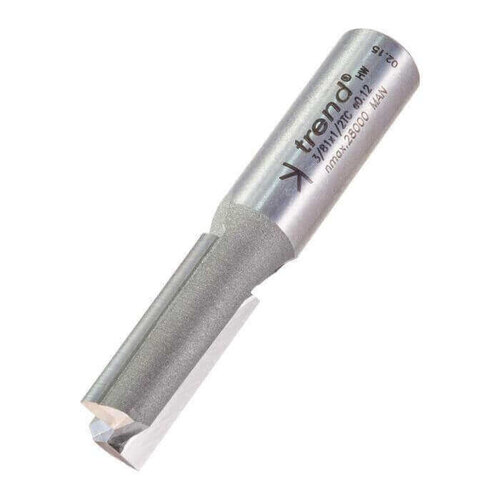
Trend Two Flute Cutter - 12.7mm diameter
Trend 12.7mm two-flute cutter with bottom cut for wood and sheet materials
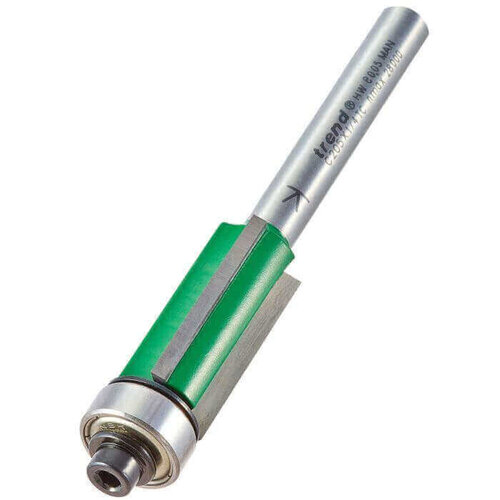
Trend Bearing Guided Three Flute Trimmer - 12.7mm diameter 25mm length
12.7mm bearing guided trimmer cutter, triple flute carbide, 1/4in shank
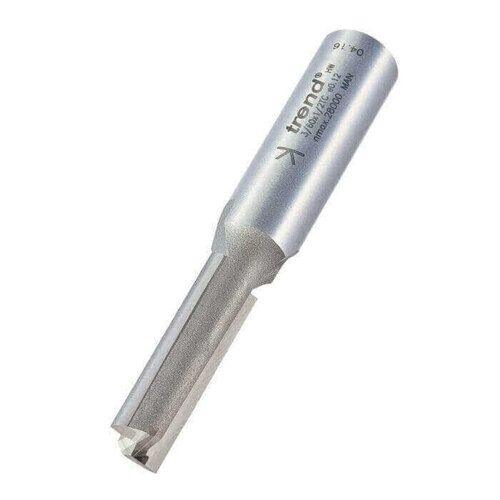
Trend Two Flute Cutter - 10mm
Trend 10mm two flute TCT cutter with 1/4-inch shank
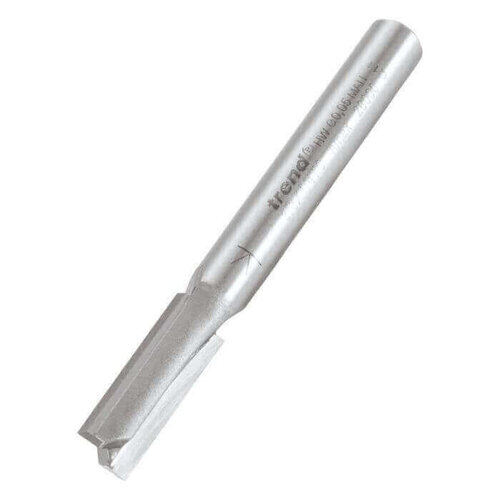
Trend Two Flute Cutter - 7mm
Trend 7mm two flute TCT cutter for abrasive materials, clean finish
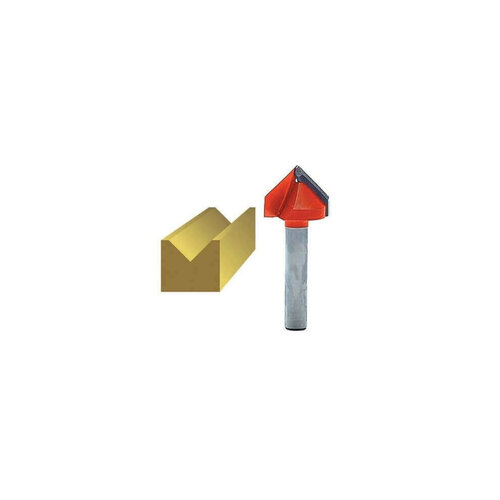
Faithfull Router Bit TCT V Groove - 13.0mm x 19.1mm 1/4" shank
Faithfull TCT V groove router bit 13.0 mm x 19.1 mm with 1/4 inch shank
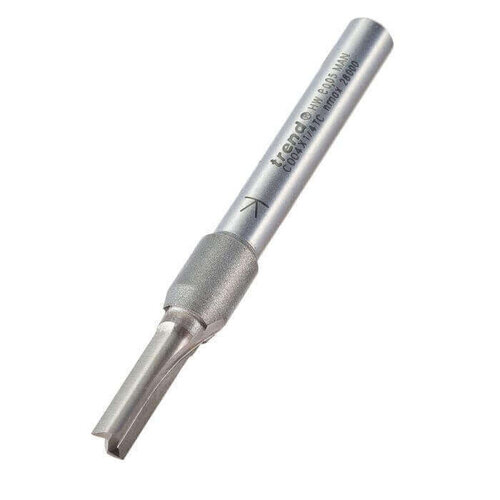
Trend Two Flute Cutter - 5mm
5mm diameter two-flute straight router bit for precise wood routing
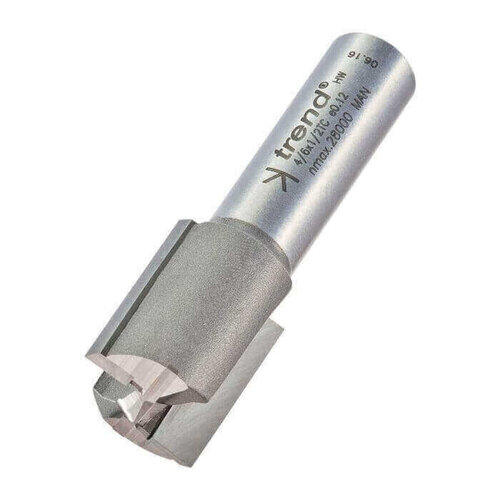
Trend Two Flute Cutter - 20mm
20mm TCT two flute cutter, 1/2 inch shank
For the Trade
The first question is how much of the job is repeat work and how much is one-off detail, because that usually decides whether you buy a single router bit or a set. If you’re cutting the same shape all day, a dedicated bit is the cleaner buy. If the job keeps changing, a router bit set can save you carrying separate cutters. On tight layouts, a smaller cutter gives you more control around corners and housings; for wider grooves or deeper passes, you need the bit that matches the space and the router you’re actually using. Check the shank and cutter size, then match the cutter to the finish you need. A cheap cutter that burns or chatters soon costs more in time than it saved on the counter.
Popular Routing Formats
Most of the time you’re choosing between a straight cutter, a profile, or a round over, and the job tells you which way to go.
Straight router bits suit a standard run where you want the simplest fit and a clean, repeatable cut. The trade-off is a rectangular footprint, which can leave awkward waste if the shape is less forgiving.
Profile router bits are the better pick when edge detail matters more than speed. Round over router bits are the usual choice when you want to ease an edge without changing the line of the work.
If you’re comparing router cutter bits for general trade use, the parent Power Tool Accessories page keeps the wider kit in view without overcomplicating the choice.
Key Differences When Choosing
Material is what changes the buying decision here. For general wood work, wood router bits with carbide tips usually make sense because they hold up better on repeated runs and stay sharper longer than plain steel. You pay more up front, but you’re not swapping them out as often.
For heavier edge work, carbide router bits or tct router bits are the better shout for wear. The trade-off is straightforward. You pay for life, not just for getting through one job. A lighter cutter can feel easier in hand, but the one that stays true is the one that saves you coming back to clean up a ragged edge.
If you’re finishing the job off with other kit, Multi Tool Accessories and PT Sanding Accessories are usually the next stops.
Next Decisions After Choosing
Once you’ve picked the router bits for the cut, the next call is usually what’s going around it - panels, trims and any finishing work that has to stay in line with the routed edge. A clean rebate or groove is only half the job if the board, fascia or trim you’re fitting next doesn’t match the detail.
That’s where the surrounding finish matters more than the cutter itself. In practice, you’re usually deciding whether to keep the same profile through the run or drop to a simpler finish where access, fixing and later maintenance matter more.
Related searches
Local availability for Routing







