Screwdriver Bits
Screwdriver bits come down to the drive type, the screw head you’re running, and how hard the tool’s going to work. For light drill-driver use, standard driver bits are usually fine. On an impact, impact screwdriver bits are the better call because cheaper ones tend to round off or split at the tip. Magnetic screwdriver bits help when you’re working one-handed or into awkward fixings, but the magnet won’t make up for a poor fit.
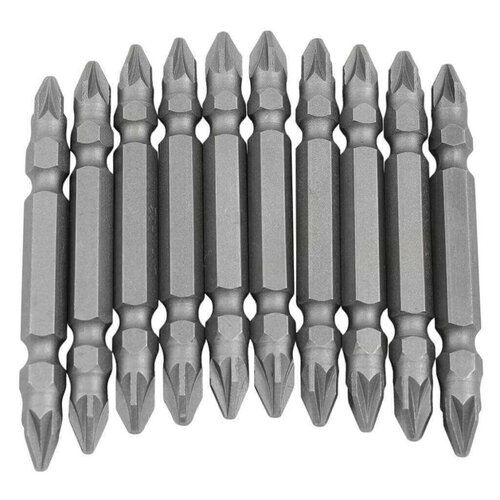
Dekton Pozi PZ2 Double Ended Power Bit Set - 65mm 10 Pack
10-piece 65mm Pozi PZ2 double-ended power bit set in CR-V steel.
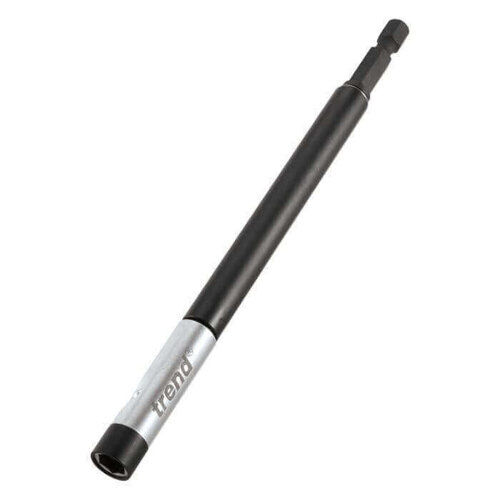
Trend Snappy One Touch Bit Holder - 150mm
10.3mm slim magnetic bit holder with one-touch release, 150mm
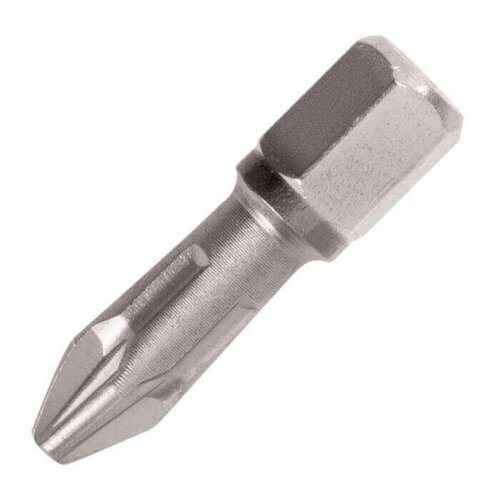
Trend Snappy Pozi No2 Bit - 25mm 10 Pack
10 pack 25mm Pozi No2 insert bits
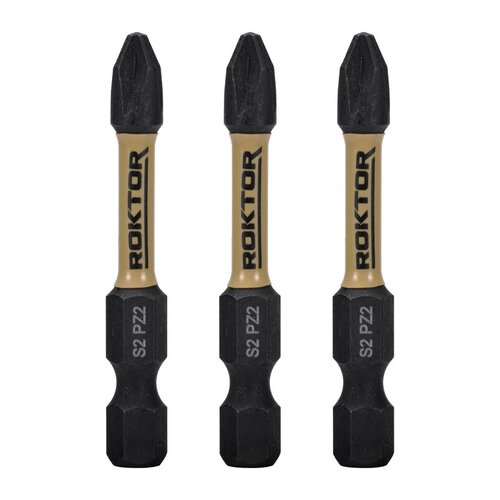
ROKTOR 1/4" Hex Shank Impact Screwdriver Bits - PZ2 x 50mm 3 Pack
Three ROKTOR PZ2 impact screwdriver bits, 50 millimetres long
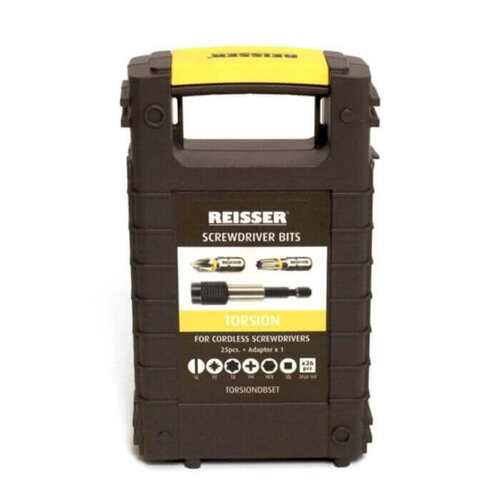
Reisser Torsion Screwdriver Bit Set - 26 piece
26-piece torsion screwdriver bit set made from V5 tool steel
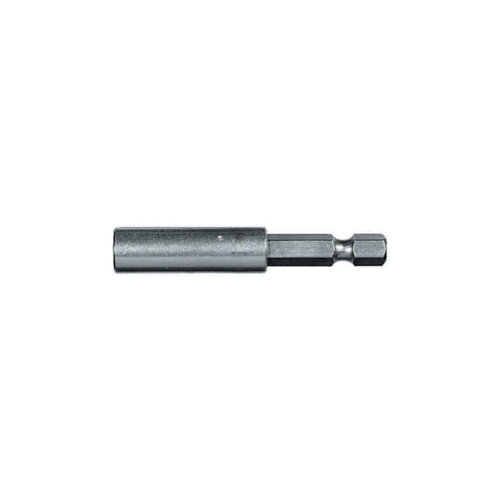
DeWalt Magnetic Bit Holder - Red
DeWalt DT7500 magnetic bit holder with torsion zone, red
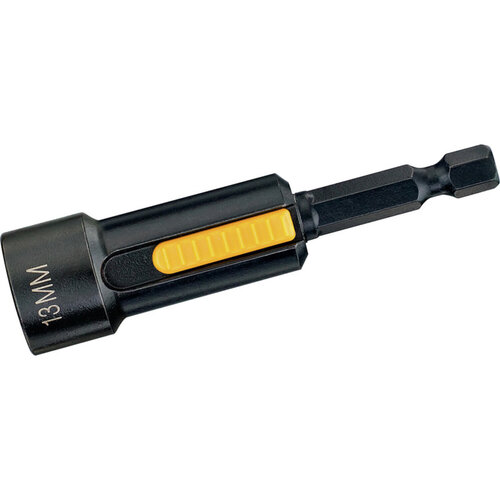
Dewalt Impact Rated Cleanable Nut Driver - 13mm
13mm impact-rated cleanable magnetic nut driver with hex shank
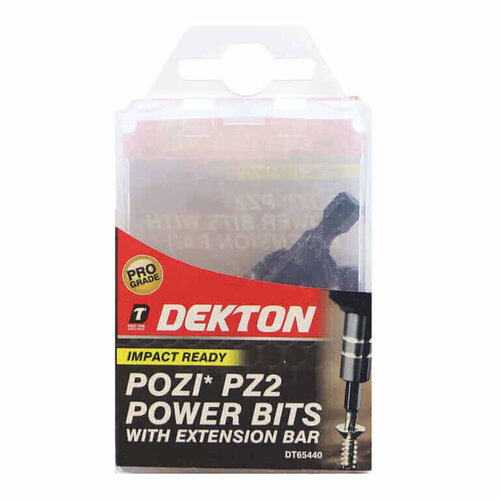
Dekton S2 Steel Impact Bits - 25mm 20 Pack
20-piece PZ2 25mm S2 steel impact bits with bit holder
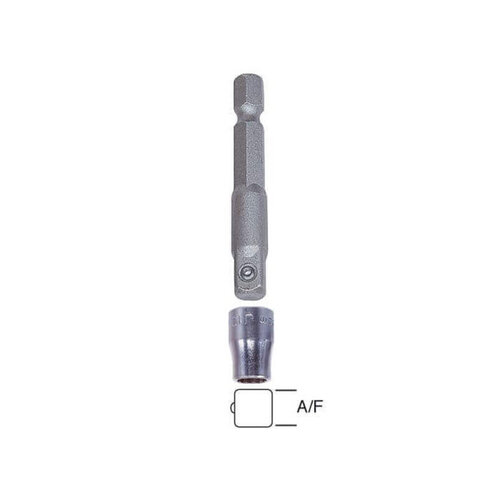
Trend Snappy Square Drive - 1/2" x 50mm
1/2" square drive adapter for drills, allows use of sockets with impact drivers,…
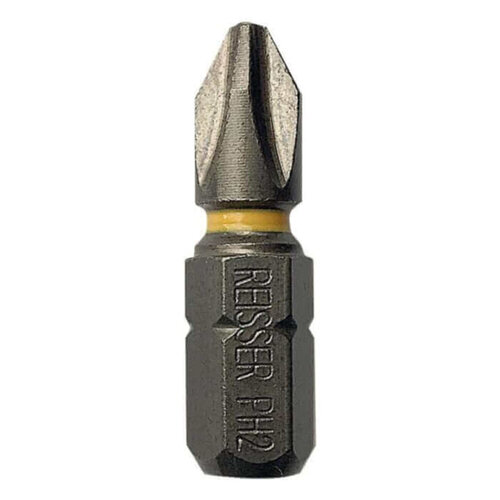
Reisser Torsion Screwdriver Bit - PH2 25mm 10 Pack
PH2 25mm torsion screwdriver bit, pack of 10, for quick-change systems
For the Trade
Start with the space you’ve got and how the tool’s going to be used, then narrow the screwdriver bits from there. In tight spots, a shorter, cleaner bit usually saves grief. If the job is repetitive or the tool’s taking a hammering, impact screwdriver bits are the ones to reach for rather than something that’ll round off early. Magnetic screwdriver bits help when you need one-handed starting, but they’re not the answer to every job. Most of the time, it comes down to a simple driver bit or a tougher spec that suits the access and how hard you’re leaning on the tool.
Types of Screwdriver Bits
If you’re buying screwdriver bits for mixed site work, the first split is between standard driver bits and impact screwdriver bits. Standard bits suit lighter drill-driver use and usually cost less, but they’ll wear sooner if you’re on them all day.
Impact screwdriver bits are the better pick when the tool is doing the hard work. They handle repetitive fastening better and take shock more cleanly. After that, it comes down to the head pattern. Torx screwdriver bits are the choice when you want less cam-out. Phillips screwdriver bits and pozi screwdriver bits still do the job where the fixings call for them.
If you’re building out the rest of your kit, keep the parent Power Tool Accessories page in mind for the other accessories you’ll need alongside them.
Selection Factors for Screwdriver Bits
The first question is what’s driving the screw and how hard you’re leaning on it. For regular drill-driver work, standard screwdriver bits usually make more sense on cost.
Once the tool’s hammering away all day, impact screwdriver bits are the better call. They take the abuse better, but you pay for that extra durability.
Head pattern matters next. Torx screwdriver bits and hex screwdriver bits tend to hold better under load. Phillips screwdriver bits are still common on lighter fixings, but they can cam out sooner if the screw’s poor or the driver’s not square.
If you’re matching the rest of the job out, Drilling and Cutting & Blades are the usual next stops.
Finish the Room
Once you’ve picked the screwdriver bits, the next call is what else you need to finish the job. If you’re on the same run of fixings, keep a few magnetic screwdriver bits and the right driver bits to hand so you’re not changing over for every screw type.
Once the job moves into panels, screens or storage, the fixing pattern and access matter more than the bit itself. A bit that stays seated saves more grief than one that looks clever on the shelf. Check the surrounding screws and fixings before you leave the room.
Related searches
Local availability for Screwdriver Bits
















