Impact Drivers & Wrenches
Start with the fixing, not the tool shape. Screws and coach bolts point you one way, wheel nuts and stubborn fasteners another. A cordless impact driver is the usual pick for repetitive screw work and lighter fixings because it stays compact and quick in the hand. An impact wrench gives you the square drive and extra shove for sockets. Brushless models generally suit heavier daily use. Push torque higher, and you usually give up some size and control - so the wrong choice gets left in the van.
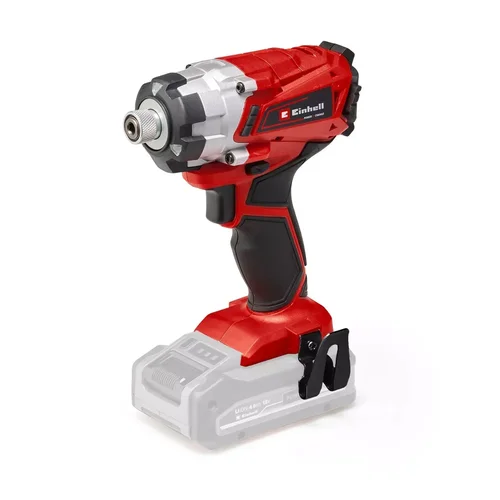
Einhell Power X-Change Impact Driver 18V - Bare unit red
Einhell 18V cordless impact driver 140Nm bare unit
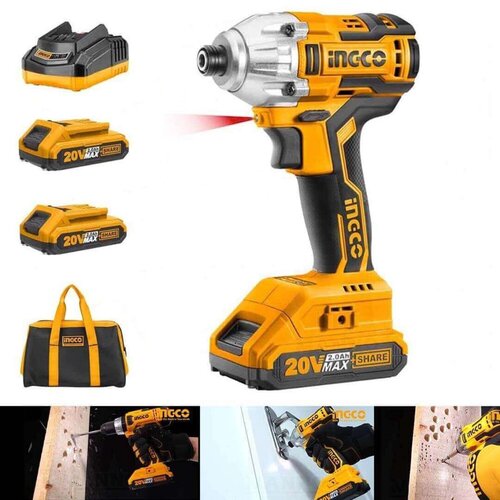
Ingco Industrial 20V Brushless Motor Impact Driver - Charger & 2 Batteries
20V cordless brushless impact driver with charger and 2 batteries
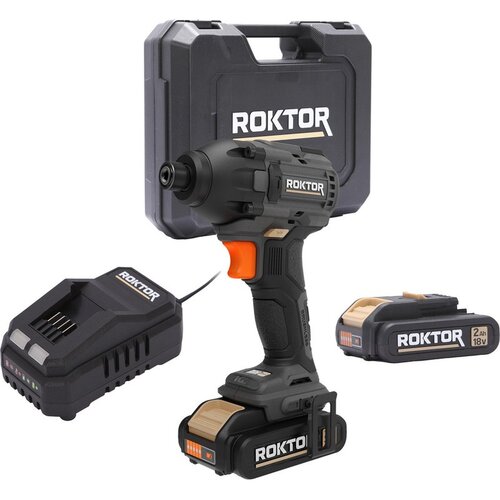
ROKTOR 18V Brushless Cordless Impact Driver - 2 x 2.0Ah
18V brushless cordless impact driver with 230Nm maximum torque
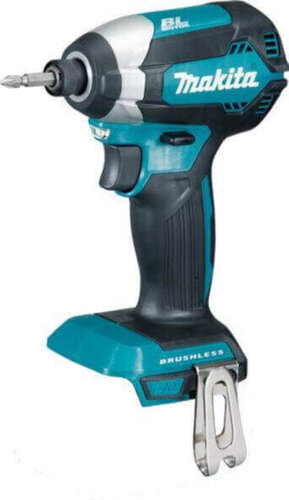
Makita DTD153Z Cordless LXT Brushless Impact Driver - 18V Lithium-Ion
Makita DTD153Z 18V brushless impact driver, 170Nm torque, body only.
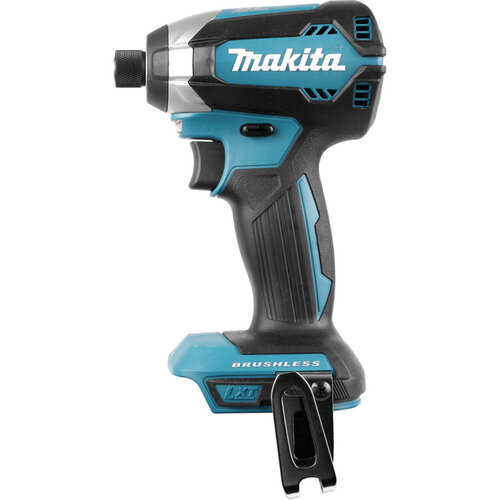
Makita LXT 18V Impact Driver - Body Only
Makita 18V brushless impact driver 170Nm, body only
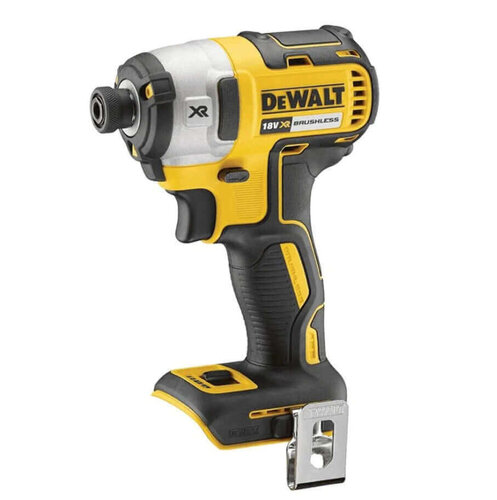
Dewalt Brushless Impact Driver - 18V body only
Dewalt 18V cordless brushless impact driver, body only
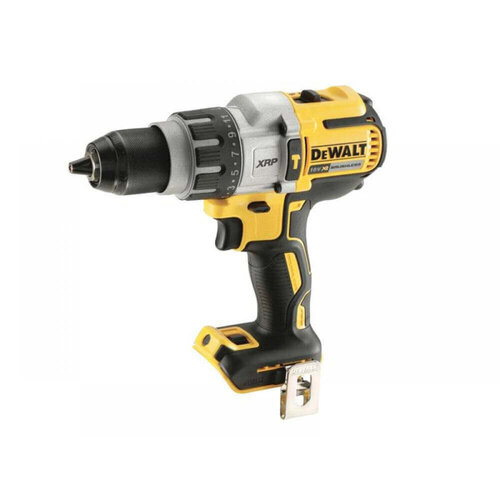
Dewalt 18V XR Li-Ion Brushless 3 Speed Impact Driver - Body only
Cordless 18V brushless impact driver body only, no battery or charger
For the Trade
You narrow impact drivers and wrenches by space first, then by what the tool has to do all day. In tight corners or between fixings, a compact cordless impact driver usually makes more sense than a heavier setup. Body length and balance matter more than headline torque there. If the job is mostly larger fixings or seized fasteners, the wrench side earns its keep, but you give up some finesse and usually carry more weight. Battery platform matters too, along with how often the tool stays in your hand. That is what usually decides whether the extra grunt is worth carrying.
Impact Drivers & Wrenches Options Compared
Start with what you’re fastening and how much room you’ve got around it. A cordless impact driver suits repetitive screw work and lighter fixings. It works faster than a drill/driver and is less likely to cam out, but you give up socket drive.
An impact wrench is the better pick for nuts, bolts and seized fixings where you need more turning force. It is bulkier, and it is too much tool for small fixings. If you are only carrying one tool from Power Tools, the choice usually comes down to screws or sockets.
Choosing Materials and Size
The first question is drive and access. For repetitive screw work, a cordless impact driver stays compact and bits swap fast. For nuts, bolts, or seized fixings, go with an impact wrench. The square drive takes sockets properly.
Brushless models earn their place when the tool is out every day. Smaller 12V kit is easier in tight spaces, but you give up pull.
If the job changes from screws to sockets, the wrench cuts faffing. For finishing work, Sanders usually sit alongside this sort of kit. For stripping back old paper before you start, Wallpaper Strippers are the next buy.
Completing the Setup
Once you’ve picked the right impact drivers and wrenches, the next call is usually what’s going around them on the job. If you’re fixing out panels, screens or storage, you want the fastening kit to suit the finish work and the access you’ve actually got, not just the headline torque.
A compact impact wrench saves grief where space is tight. A heavier one earns its keep on stubborn fixings and repeated wheel work. After that, trades usually move on to the surrounding finishes - wall panels, access screens and storage details - because that’s where the last-minute changes tend to happen.
Related searches
Local availability for Impact Drivers & Wrenches







