Kits & Twinpacks
Power tool kits usually come down to what you need in the van and what you’ll actually use day to day. A basic drill kit suits lighter fixings and general fitting work, while bigger power tool kits make more sense when you want matched batteries, a charger and a proper spread of tools without buying each bit separately. The trade-off is simple: more in the box means more weight, more cost, and sometimes one tool you’ll barely touch.
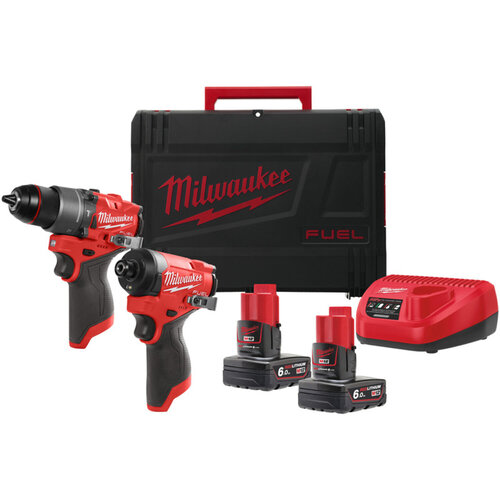
Milwaukee M12FPP2A-602X Fuel Combi Drill & Impact Driver Twin Pack - 2 x 6.0Ah
Milwaukee M12 FUEL combi drill & impact driver kit, 2x 6.0Ah, charger and case
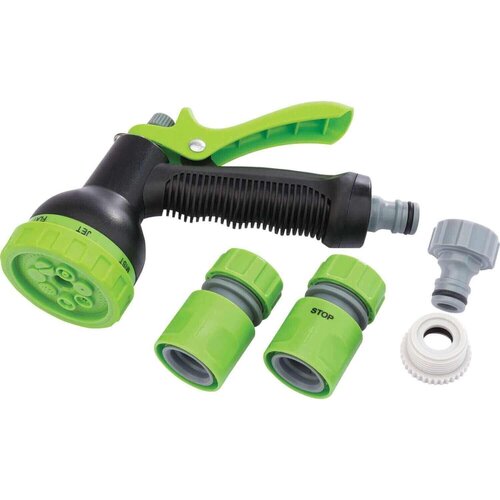
Draper Spray Gun Kit - 5 Piece
5-piece garden spray gun kit with 7-pattern spray gun and hose fittings.
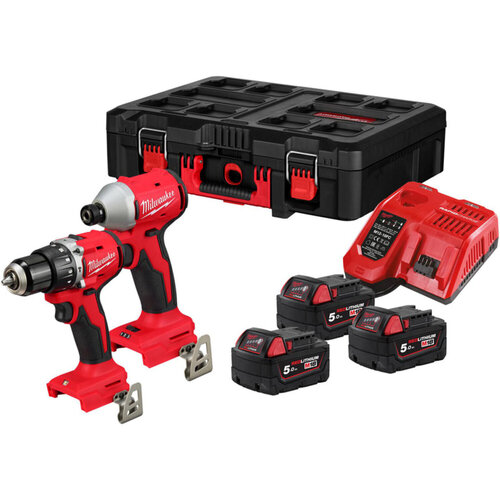
Milwaukee M18 BLPP2D3-503P Brushless Compact Twin Pack - 3 x 5.0Ah
18V brushless drill and impact driver twin pack with three 5.0Ah batteries
For the Trade
Start with the space you’ve got and how the kit will be used day to day, then work back from there. If you’re tight on van space or carrying gear upstairs, a smaller drill kit can make more sense than a bigger bundle with tools you’ll leave in the case. If the job needs a matched setup across the crew, power tool kits with shared batteries and chargers are usually the cleaner buy because you’re not juggling mixed platforms. Look at what gets used every shift, not the longest list on the box - that’s where wasted spend creeps in.
Popular Kits & Twinpack Formats
Cordless power tool kits suit you when you want matched batteries, a charger and a sensible spread of tools without piecing it together one item at a time. They keep the setup simple and cut down on battery mismatch.
Power tool combo kits make more sense when you need a broader starter line-up for a crew or new van stock. The trade-off is clear - you’ll usually pay for tools you won’t grab every day.
A drill kit keeps things lean for lighter work. Go bigger when you want fewer battery systems to manage and less duplication in the van. If you’re comparing against the rest of the Power Tools range, the real question is how much overlap you can live with and how much kit you want tied up in one buy.
Key Differences When Choosing
What you buy here usually comes down to the first job the kit has to cover and how much overlap you can live with. If you mainly need a drill and driver together, a smaller drill kit keeps spend down and stops tools sitting unused.
Once the work starts needing cutting or demolition, look at kits that lean into the right extras rather than a bigger box for the sake of it. A set built around a drill and driver is one thing. If you’re also covering masonry or metal work, you may be better off splitting the spend and adding Angle Grinders or Concrete Breakers separately. The usual mistake is buying for the van, then finding half the kit never leaves the case.
Next Decisions After Choosing
After you’ve picked the main kit, the next call is what else needs to go in the van or onto the job with it. A drill kit on its own is fine for lighter work. If you’re covering a full shift, you’ll usually want storage, spare batteries and the bits that stop you going back for one missing item.
That’s where the surrounding purchase matters. Keep the kit compact if access is tight. Step up to a fuller setup when you need more than one tool in regular use. The mistake is buying the headline kit and then piecing the rest together later at a higher cost.
Related searches
Local availability for Kits & Twinpacks






