Sanders
You’re usually choosing sanders on two things first: how much you need to take off, and how fine the finish has to be. Belt sanders remove material fast, but leave more to tidy up. Orbital and random orbital models are the better pick when you need a cleaner finish and less risk of digging in. Detail sanders earn their keep on corners and tight profiles. They’re not the one for broad flats. Corded models suit longer runs and heavier use. Cordless helps where access matters more than continuous power.
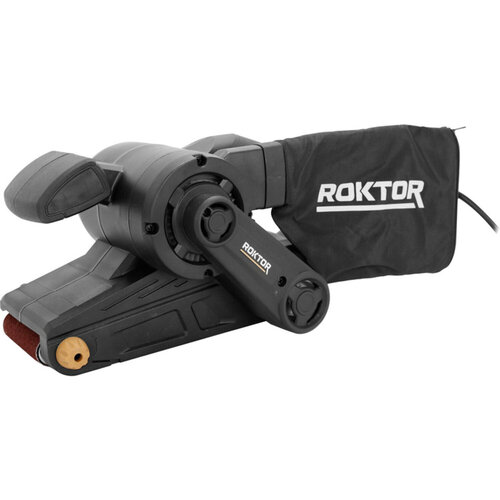
ROKTOR 920W 76mm Belt Sander - 230V
920W corded belt sander with variable speed and dust collection
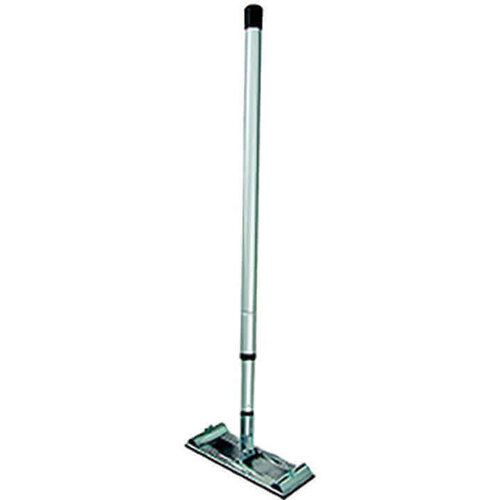
Harris Pole Sander S+J
Harris pole sander S+J for extended reach sanding
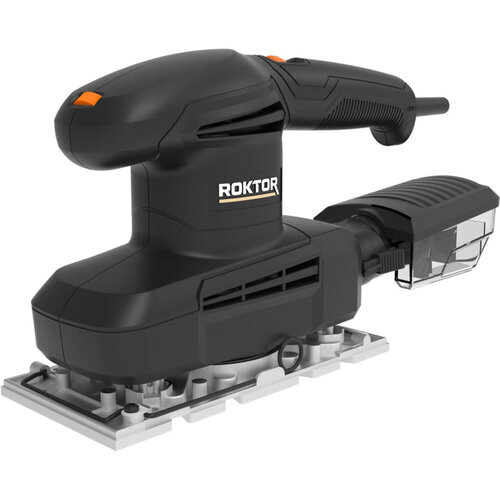
ROKTOR 260W 1/3 Sheet Sander - 230V
260W 1/3 sheet sander with variable speed and dust collection
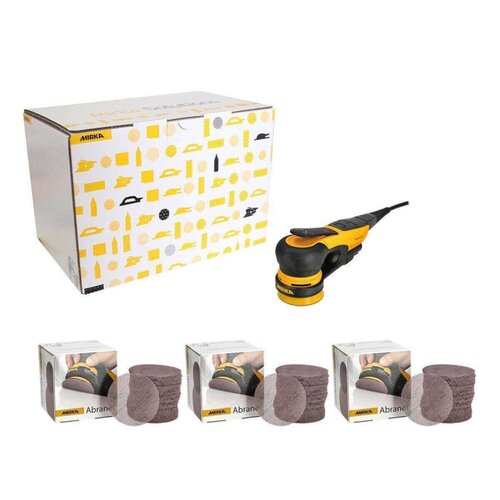
Mirka Deros-2 Orbital Deco Solution Kit - 77mm 230V
77mm orbital sander kit with 150 abrasive discs
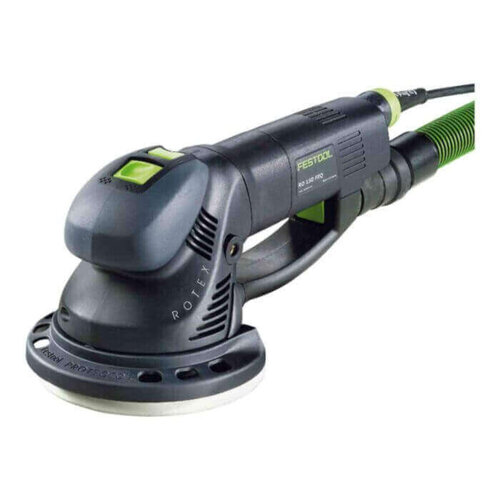
Festool Rotex RO150 FEQ-Plus Geared Eccentric Sander - 240V
240V geared eccentric sander with 150mm pad, suitable for sanding and polishing.
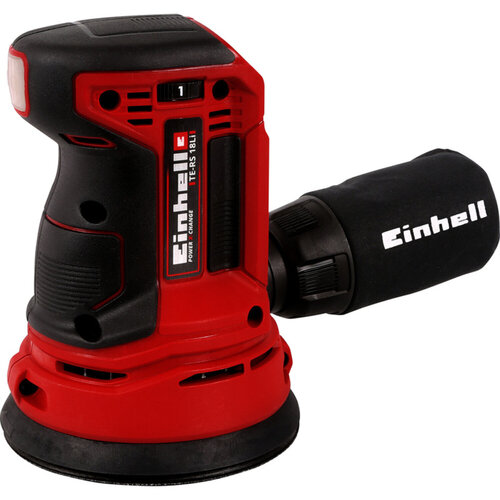
Einhell PXC 18V 125mm Cordless Random Orbital Sander - Body Only
Einhell 18V cordless orbital sander, 125 millimetres, body only with one P80 dis…
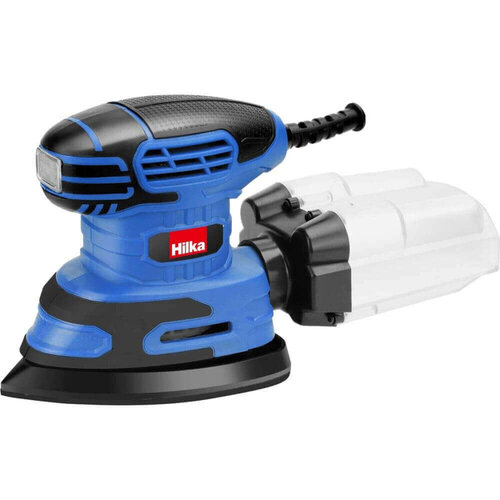
Hilka Detail Palm Sander - 220W
220W detail palm sander with dust extraction and hook and loop pad.
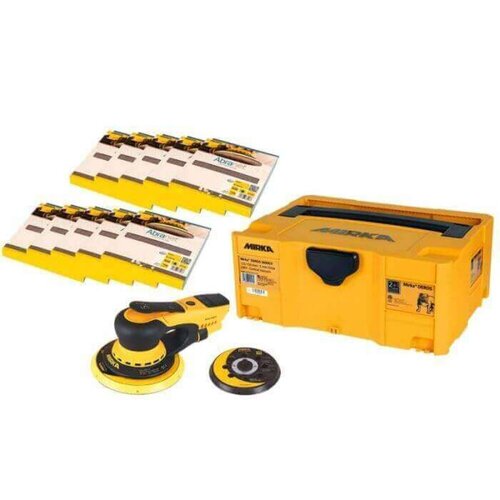
Mirka Deros 5650CV Orbital Sander Decorating Kit - 230V
230V orbital sander decorating kit
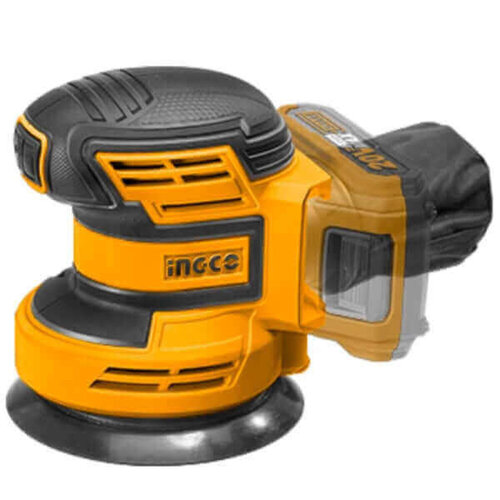
Ingco 20V Lithium-Ion Random Orbit Sander Body Only - 5 Pack Sand Paper
20V lithium-ion cordless random orbit sander, body only with 5 sandpaper pieces
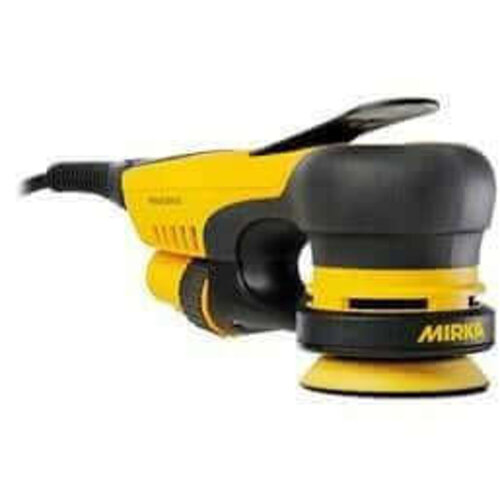
Mirka Deros 353CV Orbit 5.0 Deco Solution Kit - 77mm 230V
77mm corded orbital sander with dust-free sanding, Bluetooth, and low vibration
For the Trade
Start with the space you’ve got and how the job will be used. That usually decides the sander before finish or accessories do. Tight rooms, stairs and awkward edges push you one way. Open runs and heavier prep push you another. If you’re on it all day, weight and balance matter more than the brochure spec. A machine that feels awkward in the hand is the one that gets left behind. Corded sanders suit long, uninterrupted work. Cordless makes more sense when access is the issue and you don’t want a lead in the way.
Sander Options Compared
Belt sanders take stock down fast, so they suit heavy prep. The trade-off is the cleanup they leave behind.
Random orbital sanders sit in the middle. They give you a better finish without slowing the job too much.
Detail sanders earn their keep on trims and awkward profiles, but they are no use on broad flats. Sheet sanders still have a place for lighter prep.
Corner sanders make sense where a straight edge leaves dead space. They need a wider corner footprint, though.
If you’re building out the rest of the kit, keep the choice in line with the Power Tools range you’re already working from.
Choosing Materials and Size
Start with the finish you need and how much prep is ahead of you. A belt sander suits heavier stock removal, but it leaves more tidying up after. Random orbital sanders are the better all-round pick when you want a cleaner surface without chasing marks.
For trims, edges and awkward profiles, detail sanders save you reaching for hand work. They are not the answer for open areas.
If you are running cordless sanders, check your batteries first. Flat packs slow the job down quicker than the tool itself.
For finishing work after sanding, some lads move straight on to Polishers. A separate set of Power Tool Batteries & Chargers is worth having if the tool is going to earn its keep all day.
Completing the Setup
Once you’ve picked the sander, the next call is what’s going around it. On a decorating job, that means the panels and screens you’re finishing, the storage you need to keep abrasives and pads in order, and the wall finish going back on after prep.
A drylining patch or a furniture job usually needs different follow-on materials to a floor refinish. That’s where people get caught out. They buy the tool and forget the rest of the sequence.
If you’re moving between sanders and polishers, or you’re on cordless sanders, check the battery side of the job as well. A flat pack is what stops the day, not the machine.
Local availability for Sanders








