Sanders
You’re usually choosing sanders on two things first: how much you need to take off, and how fine the finish has to be. Belt sanders remove material fast, but leave more to tidy up. Orbital and random orbital models are the better pick when you need a cleaner finish and less risk of digging in. Detail sanders earn their keep on corners and tight profiles. They’re not the one for broad flats. Corded models suit longer runs and heavier use. Cordless helps where access matters more than continuous power.
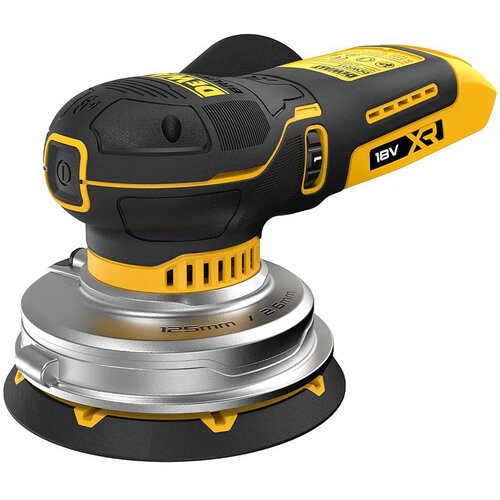
DeWalt DCW211N-XJ 18V XR Brushless Random Orbital Sander 125mm - Body Only
Cordless 18V XR random orbital sander with a 125 millimetre platen
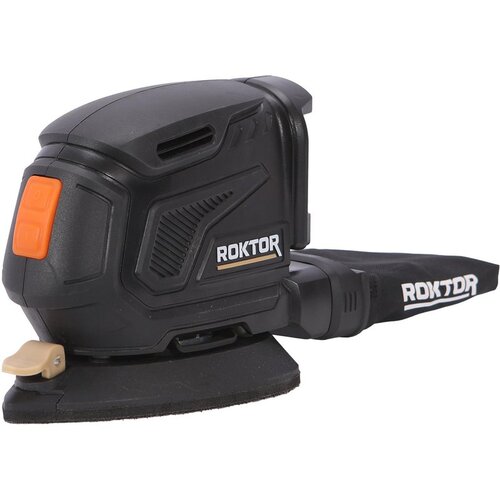
ROKTOR 18V Cordless Detail Sander - Body Only
18V cordless detail sander with 1.5 millimetre orbital diameter
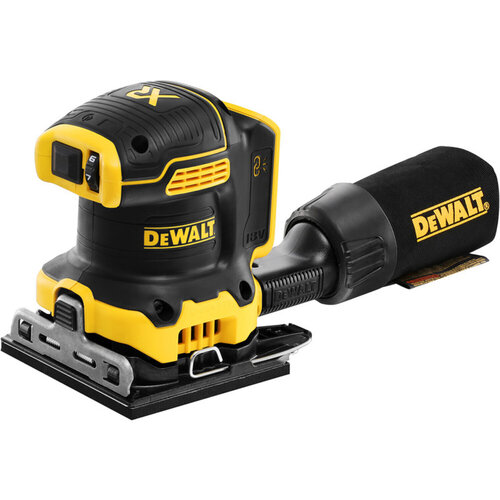
Dewalt DCW200N-XJ 18V XR 1/4 Sheet Sander - Body Only
18V cordless 1/4 sheet sander body only with brushless motor and dust extraction
For the Trade
Start with the space you’ve got and how the job will be used. That usually decides the sander before finish or accessories do. Tight rooms, stairs and awkward edges push you one way. Open runs and heavier prep push you another. If you’re on it all day, weight and balance matter more than the brochure spec. A machine that feels awkward in the hand is the one that gets left behind. Corded sanders suit long, uninterrupted work. Cordless makes more sense when access is the issue and you don’t want a lead in the way.
Sander Options Compared
Belt sanders take stock down fast, so they suit heavy prep. The trade-off is the cleanup they leave behind.
Random orbital sanders sit in the middle. They give you a better finish without slowing the job too much.
Detail sanders earn their keep on trims and awkward profiles, but they are no use on broad flats. Sheet sanders still have a place for lighter prep.
Corner sanders make sense where a straight edge leaves dead space. They need a wider corner footprint, though.
If you’re building out the rest of the kit, keep the choice in line with the Power Tools range you’re already working from.
Choosing Materials and Size
Start with the finish you need and how much prep is ahead of you. A belt sander suits heavier stock removal, but it leaves more tidying up after. Random orbital sanders are the better all-round pick when you want a cleaner surface without chasing marks.
For trims, edges and awkward profiles, detail sanders save you reaching for hand work. They are not the answer for open areas.
If you are running cordless sanders, check your batteries first. Flat packs slow the job down quicker than the tool itself.
For finishing work after sanding, some lads move straight on to Polishers. A separate set of Power Tool Batteries & Chargers is worth having if the tool is going to earn its keep all day.
Completing the Setup
Once you’ve picked the sander, the next call is what’s going around it. On a decorating job, that means the panels and screens you’re finishing, the storage you need to keep abrasives and pads in order, and the wall finish going back on after prep.
A drylining patch or a furniture job usually needs different follow-on materials to a floor refinish. That’s where people get caught out. They buy the tool and forget the rest of the sequence.
If you’re moving between sanders and polishers, or you’re on cordless sanders, check the battery side of the job as well. A flat pack is what stops the day, not the machine.
Local availability for Sanders








