Inspection Cameras
Inspection cameras come down to probe size, cable length and how much control you need at the head. A slim borescope camera gets into tighter voids, while a drain inspection camera usually makes more sense when you need a longer run and a tougher setup for pipe work. For occasional access points, a simpler inspection camera is often enough. When the job keeps coming back with awkward bends or poor visibility, extra reach and image control save time.
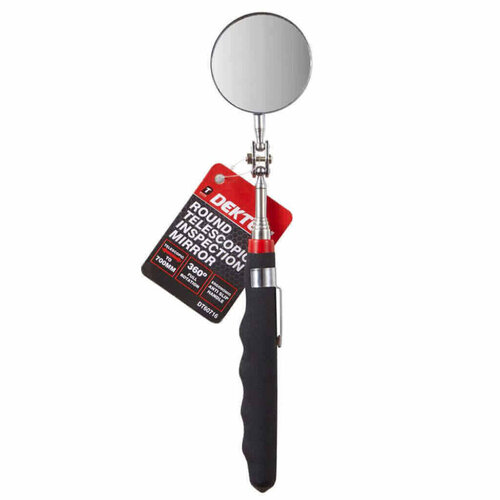
Dekton Telescopic Round Inspection Mirror
Telescopic mirror with 360° rotation for engine and inaccessible area inspection
For the Trade
Start with the space you’ve actually got and how you’ll use it, then the rest of the spec falls into place. Tight voids and awkward access usually call for a borescope camera with a slimmer probe, not extra features. On longer runs, cable length and image stability matter more, because a shaky feed slows the job down. If you need to look round corners or past obstructions, an inspection camera with more head control helps, but it usually adds cost and complexity.
Inspection Camera Types and Layouts
The choice usually comes down to how much access you’ve got and how much control you want at the tip. A slimmer borescope camera gets into awkward voids and smaller openings, but you give up some image stability and durability compared with a heavier unit.
A drain inspection camera suits longer runs and wetter work because the cable and head are built for that job. It is more camera than you need for general fault-finding.
A handheld inspection camera is the quicker pick for short checks when you want a simple read. A wifi inspection camera only makes sense if you want the image off the unit and can live with the extra setup.
If you’re buying for mixed work, Testing Equipment is the parent range to keep in mind.
What to Check Before You Buy
Probe size, cable length and tip control do most of the sorting. The job decides the rest.
A short, rigid inspection camera suits quick checks in plant rooms and cupboards. You get a clear view without fighting the cable.
Choose a longer, more flexible borescope camera when the route bends or the access is buried. You lose some handling feel, but it reaches places a stiffer probe will not.
For wet runs or drains, use a drain inspection camera. The probe and head are built for that work.
For anything electrical, step across to Electrical Testers. For fault-finding where you need to locate what you cannot see, Detectors usually make more sense.
Useful Alongside Inspection Cameras
Once you’ve picked the inspection camera, the next call is what the job needs around it. In plant rooms, lofts or service voids, a proper screen or monitor setup matters. A small display gets awkward fast when two of you are trying to read the same image.
Storage is worth sorting as well. A camera probe that’s been kinked in the van is usually the one that comes back with a fault.
If the visit is part of wider fault-finding, it often makes sense to look at detectors and electrical testers at the same time. That keeps you from making a second trip for the basics.
Related searches
Local availability for Inspection Cameras




