Meters
Start with what you need to read and how often you’ll carry it round site. Clamp metres suit live current checks where you don’t want to break the circuit, while handheld multimeters are the usual pick for voltage, continuity and general fault-finding. Digital metres are easier to read in poor light, but the layout and range matter more than the badge on the case. The right trade metre matches the job without adding kit you won’t use.
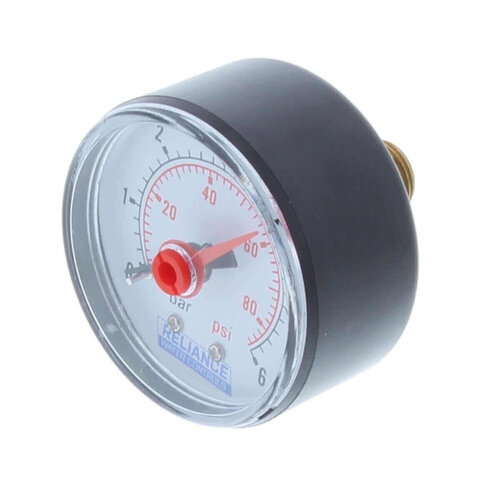
Gauge - 1/4" 50mm diameter 0-6
50mm pressure gauge with dual PSI/BAR scale for pressure reducing valves
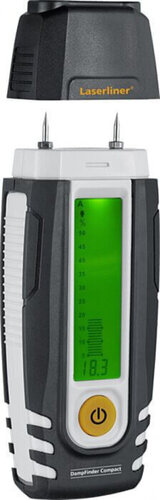
Laserliner Dampfinder Compact
Moisture meter for building materials and wood
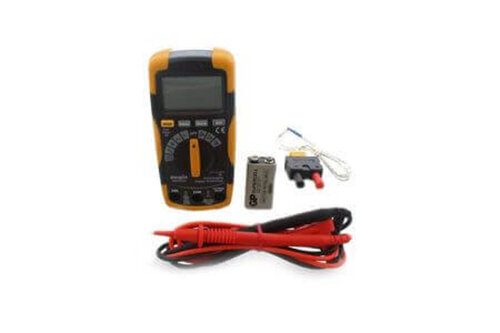
Regin Low Cost Digital Multimeter with Temperature
Digital multimeter with temperature, auto-ranging and data hold
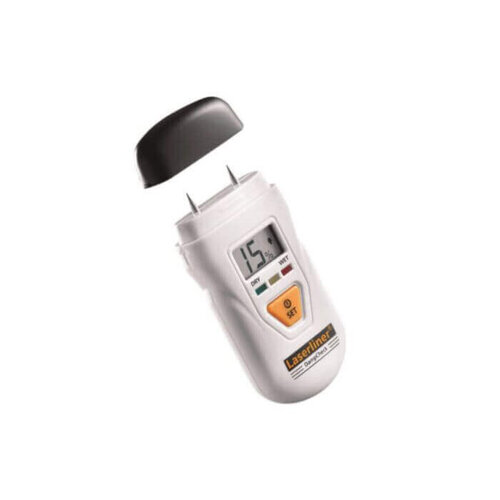
Laserliner DampCheck
Compact moisture meter for timber and building materials with LED indicator
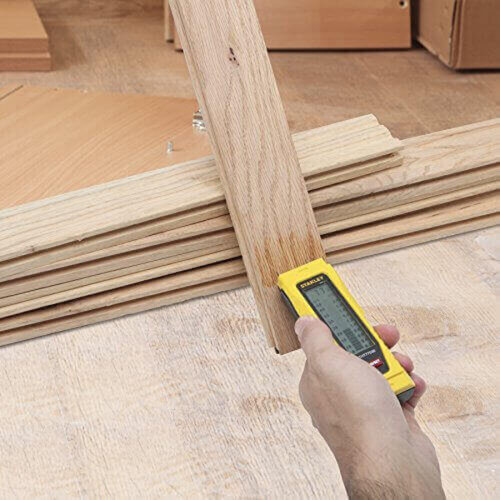
Stanley Tester Damp & Moisture Meter w/Pouch
Stanley moisture meter: wood 6-44%, building materials 0.2-2%, incl. pouch.
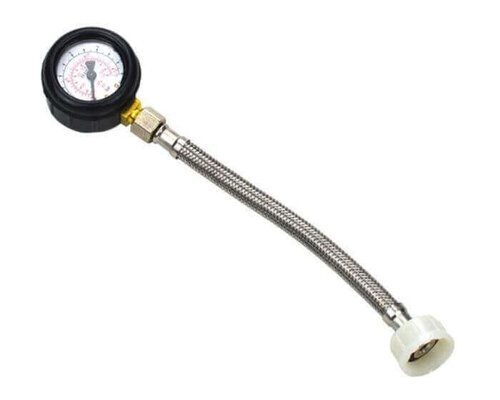
Monument Mains Water Pressure Gauge - 11 Bar
Mains water pressure gauge with 11 bar maximum and 3/4in BSP tap connection
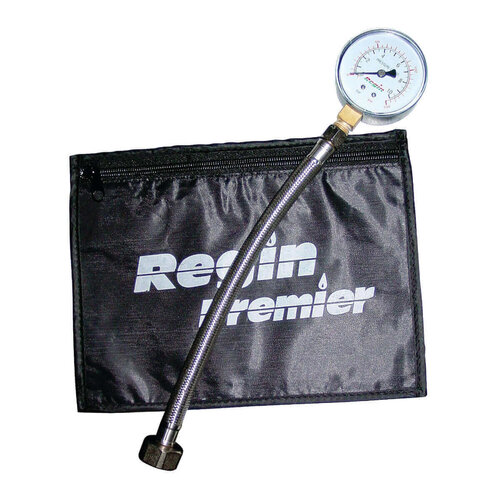
Regin Mains Water Pressure Test Kit
Water pressure test kit with 11 bar gauge and braided hose
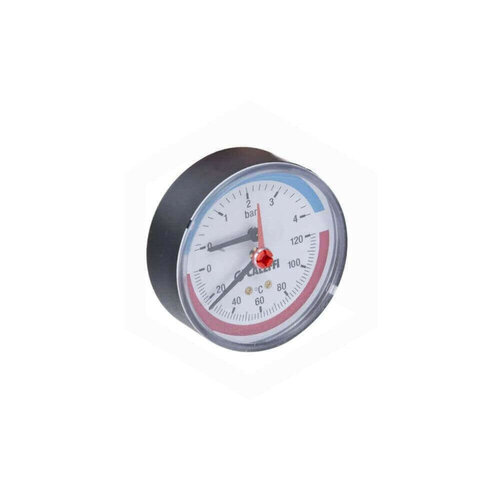
Altecnic Temperature/Pressure Gauge - 80mm 0-4 bar / 0-120 degrees bottom
Temperature and pressure gauge, 80mm dial, 0-4 bar and 0-120°C, bottom connectio…
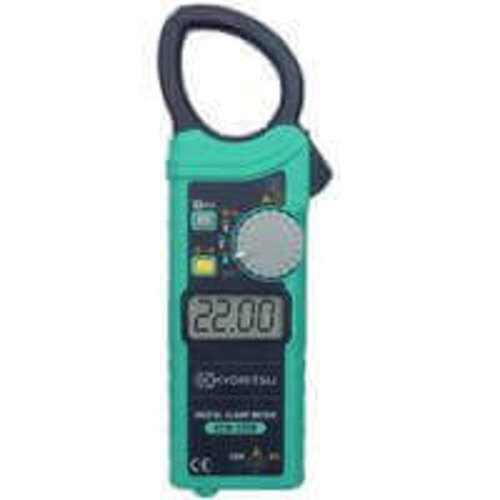
Kewtech 1000A Digital Clamp Meter Ultra Slim & Lightweight
Ultra-slim 1000A digital clamp meter with teardrop jaw for easy distribution boa…
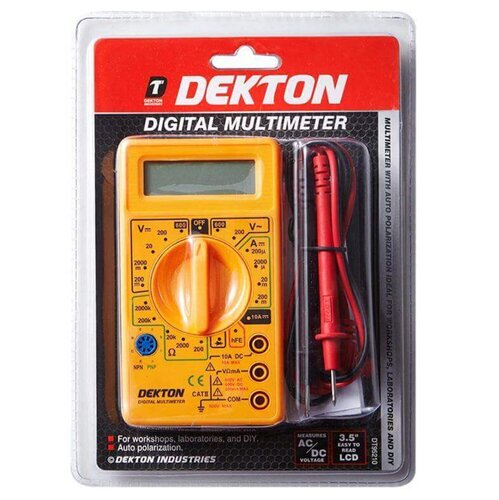
Dekton Digital Multimeter
Digital multimeter with auto polarity, 3.5" LCD, measures AC/DC voltage.
For the Trade
Space and layout usually decide the first cut. If it is awkward to carry, read or use in the cabinet, it soon gets left in the van. After that, look at what you check day to day - voltage, current or general fault-finding - then choose the format that fits the job rather than loading up on features you will not use. Digital metres are the common choice when you want a clear display and quicker readings. Clamp metres earn their keep where access is tight and you need to work around the circuit. The usual mistake is buying on spec alone, then finding the body, leads or screen do not suit the way you work.
Popular Metre Formats
Handheld metres suit general fault-finding because they stay close to hand and are quick to use on site. Digital metres are the better pick when you want a clearer display and less doubt over the reading.
Trade metres and professional metres are usually chosen for tougher daily use. You get a stronger case and better leads, but you also take on more size and cost.
Voltage metres work well for straightforward checks. Current metres and clamp metres make more sense when you need to measure load without breaking into the circuit.
If you’re narrowing the range, start with Testing Equipment and then pick the format that matches the job, not just the label.
Key Differences When Choosing
Start with what you’re measuring and how often. For quick fault-finding, multimeters are still the usual choice. They cover the basics without taking up much space in the bag.
If you need to check live current without breaking into the circuit, clamp metres are the better fit. You lose some of the finer control you get from a standard metre, but the trade-off is speed on live work.
For tighter panels or regular site use, a compact handheld model is easier to handle than a bulkier unit. When the job moves beyond electrical checks, step over to Detectors or Electrical Testers rather than forcing the wrong metre to do the job.
Next Decisions After Choosing
Once you’ve picked the metre, the next call is what it needs around it - a case, a screen protector, or storage that keeps it from getting knocked about in the van. On bigger jobs, the metre often sits with the rest of the test kit, so it makes sense to keep the tools you use most in one place rather than split them across bags.
If the work is more inspection-led, you may be looking at a detector or electrical tester instead. That changes what you carry and what you check first. The usual mistake is buying the metre and leaving the rest of the kit to chance. That’s when things go missing or get damaged between call-outs.
Related searches
Local availability for Meters








