Testing Equipment
Testing equipment comes down to what you need to prove on the job and how much kit you want to carry. If you only need quick checks and basic fault-finding, lighter portable testing equipment is usually enough. For more detailed readings, digital testing equipment or specialist test instruments make more sense, but they add cost and setup time. The usual mistake is buying more capability than you’ll use, or ending up back at the van for a second tool.
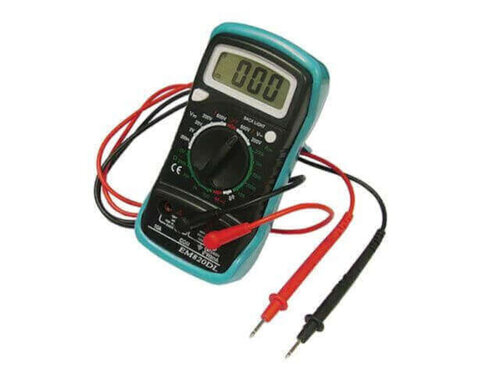
Faithfull Multi Meter LCD Display
Multimeter with large backlit LCD display and auto power-off
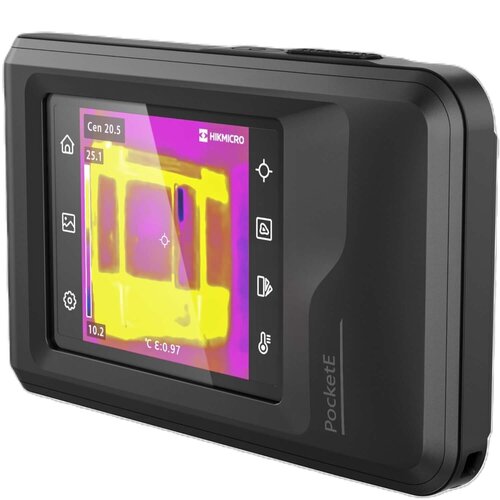
Hikmicro Thermal Imaging Camera - 96x96 thermal, 50° x 50° FOV, 640x480 visible camera, NETD <50mK, 25 Hz, -20 to 350°C, ±2°/±2%, 4GB, 2.4" 320x240 LCD touch screen, LED light, Wi-Fi
Pocket thermal camera with 96x96 IR resolution, 25 Hz, Wi-Fi
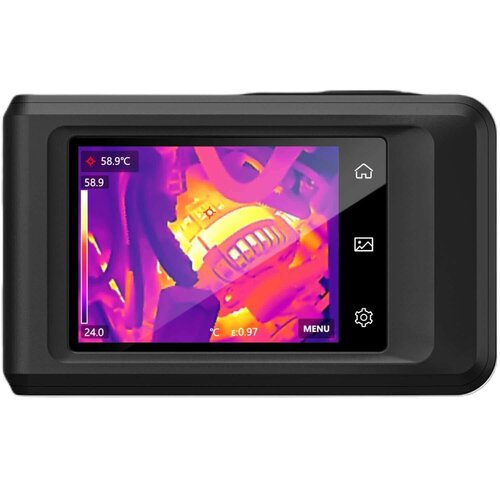
Hikmicro Thermal Imaging Camera - 256x192, 50°x37°, 8MP, NETD<40mK, 25 Hz, -20~400°, ±2°/±2%, 16GB, 3.5" 640x480 LCD touch screen, LED light, Wi-Fi
256x192 IR thermal camera with 8MP visual camera and Wi-Fi
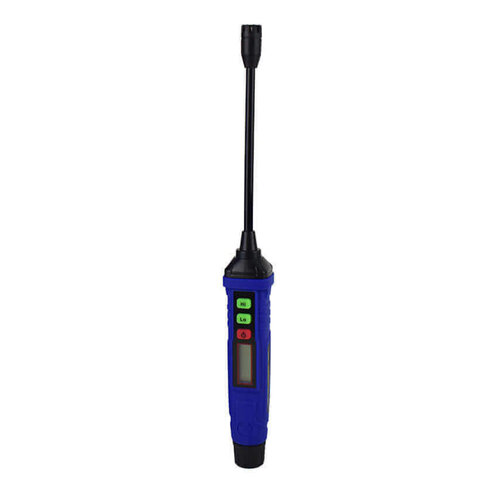
Arctic Hayes Gas Leak Detector
Gas leak detector with LED and audible alarm for combustible gases
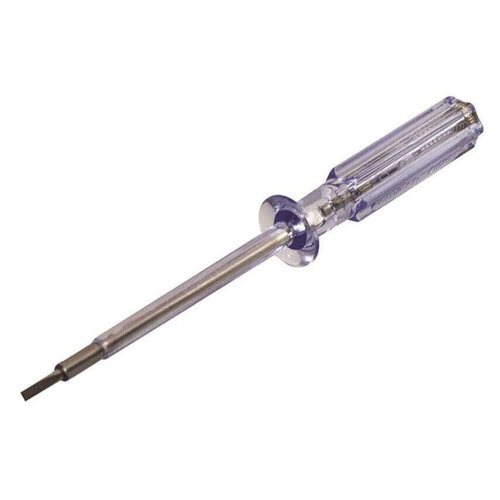
Mains Tester Screwdriver - 175mm
175mm mains tester screwdriver for detecting live voltage
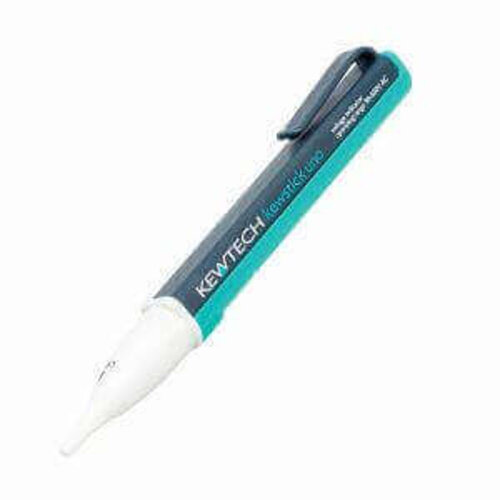
Kewtech 90-600V Voltage Tester
Non-contact AC voltage detector pen, 90-600V, for UK voltages
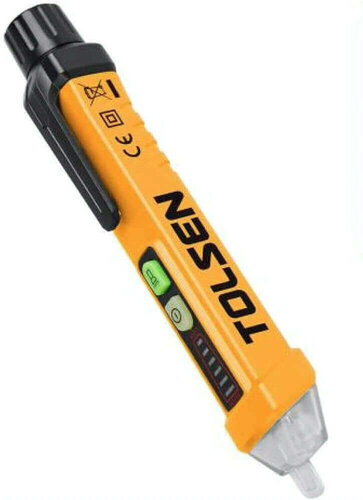
Tolsen Non Contact Voltage Tester - 12-1000V
12-1000V non-contact voltage tester, sound and light alarm, auto power off
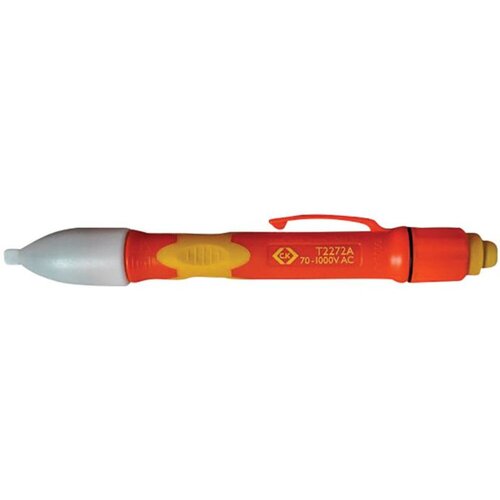
C.k Tools VDE Insulated Non Contact Voltage Detector - Red / yellow
VDE insulated non-contact voltage detector with 70-1000V AC range
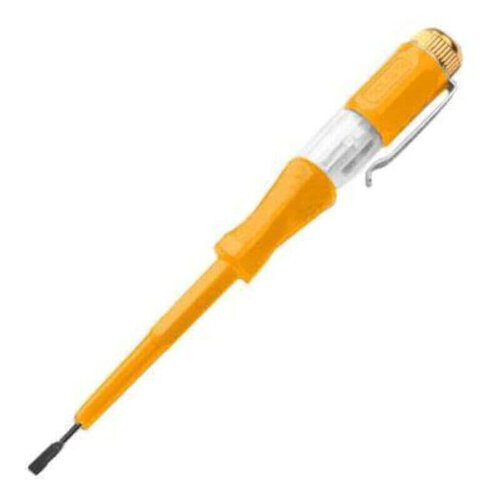
Tolsen Voltage Tester - 3mm x 140mm 100-500V Yellow
100-500V AC voltage tester with neon bulb, 140mm length
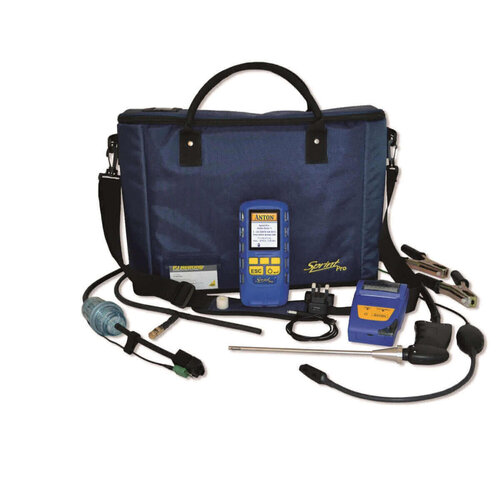
Sprint Pro3 Flue Gas Analyser - Kit A
Flue gas analyser for CO, CO2, O2, efficiency, and CO room safety tests to BS796…
For the Trade
Start with the space you’ve got and how the kit will be used on the job, because that usually rules out half the options straight away. Portable testing equipment makes sense when you’re moving between jobs or working in tight access. Larger test instruments are worth it when readings and functions matter more than carrying size. Digital testing equipment is the usual pick when you want clearer results at a glance, but don’t pay for features you won’t use. The kit that gets left in the van is the one that looked clever on paper and awkward in use.
Detectors
If you’re narrowing testing equipment for a job, start with what you need to prove and how often you’ll be carrying it. A quick check on site calls for lighter kit. Jobs that need repeat readings or clearer records usually push you towards more capable test instruments.
The trade-off is simple. More functions mean more to carry and more to pay for, so don’t spec up unless the work justifies it. For fault-finding or verification rather than general measurement, Detectors are the narrower buy in this range.
Electrical Testers
If you’re buying for a specific job, start with what needs checking and how often you’ll be moving the kit. Basic testing equipment is fine for straightforward readings. Once you want faster setup, clearer displays or more functions, you’re into Electrical Testers territory.
That’s where most electricians narrow it down. Less kit if the task is simple. More capability if you’re covering varied work and don’t want to swap tools mid-job. The trade-off is weight, cost and a bit more to look after, so don’t buy up unless the work justifies it.
Inspection Cameras
Inspection Cameras come into play when you need to see what’s going on before you start pulling things apart. They suit blocked voids, hidden runs and awkward access where a metre or tester only gives you part of the picture.
The main call is how much image quality and probe control you need against how often you’ll carry it. A lighter unit is easier to live with on site. Better screen and articulation usually earn their keep when you’re working in poor light or around bends. If you only need a narrower buy within this range, Inspection Cameras is the one to look at.
Metres
Metres are the bit you buy when the job needs a clear reading rather than a simple pass or fail. You’re usually weighing display clarity, range, and how much kit you want to carry. A compact unit is easier to keep on you. A more capable one saves swapping tools when the readings get more varied.
The ones that stay in the van are the ones you can read quickly and trust under pressure. If you’re already set on testing equipment for electricians, this is the branch where you narrow down the metre spec before you look at anything else.
Thermometers
Thermometers are the bit you buy when temperature is the check that matters, not just a rough guide. The choice comes down to how fast you need the reading, how close you can get to the surface, and whether you need a simple spot check or something you can log and repeat.
Handheld units suit quick checks and are easy to carry. More capable digital testing equipment gives you steadier readings when the job needs proof rather than a glance. If you only need one reading, keep it simple. If temperature keeps coming back on the job, buy the test instruments that save you rechecking.
Choosing Materials and Size
What usually decides the buy is how much kit you need in one go and how often you’re carrying it. Lighter testing equipment suits jobs where you’re moving between sites and only need the basics. You give up some range, and often a bit of convenience on repeat checks.
Go for more capable digital testing equipment when the job needs broader readings or fewer swaps between tools. It usually takes up more room and costs more to keep in the van.
If you’re building out the rest of your kit, Power Tool Accessories and Tool Storage are the bits that stop good test gear getting battered before it’s earned its money.
Completing the Setup
Once you’ve picked the testing equipment, the next buy is usually the case or storage. It keeps leads, probes and accessories from getting battered in the van.
If you’re opening up access, inspection cameras save time where you’d rather not strip back more than you need to.
For electrical work, the follow-on purchase is often the matching electrical testers, plus the leads or adaptors that suit the way you test on site. Jobs usually stall on the small parts, not the main unit.
Related searches
Local availability for Testing Equipment