Toolboxes
Toolboxes usually come down to how much you need to carry, where it’s going, and whether you want a simple lift-out box or something that stays put in the van or workshop. A metal toolbox takes rougher treatment and heavier kit. A plastic toolbox is lighter to move if you’re lifting it in and out all day. Lockable versions suit tools left on site, but you do give up a bit of convenience.
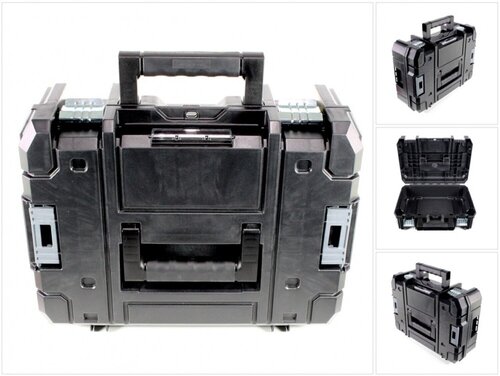
Stanley FatMax PRO-STACK Shallow Box
Stanley FatMax PRO-STACK shallow tool storage box
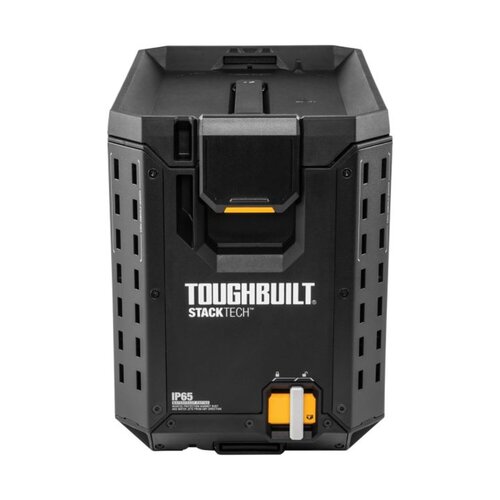
Toughbuilt StackTech Compact Tool Box
ToughBuilt StackTech compact tool box with IP65 protection
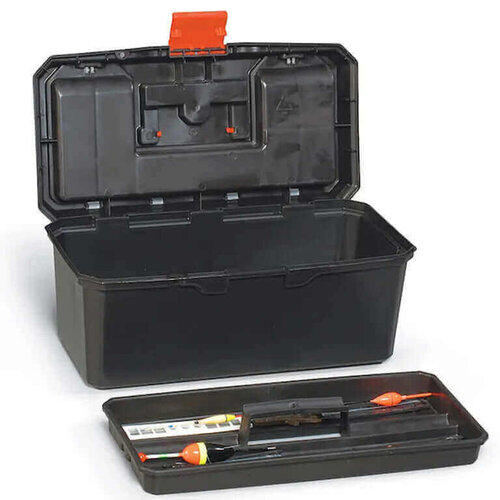
Dekton DT50130 Toolbox with Lid Storage & Lift - 16"
16 inch toolbox with lid storage and lift out tray
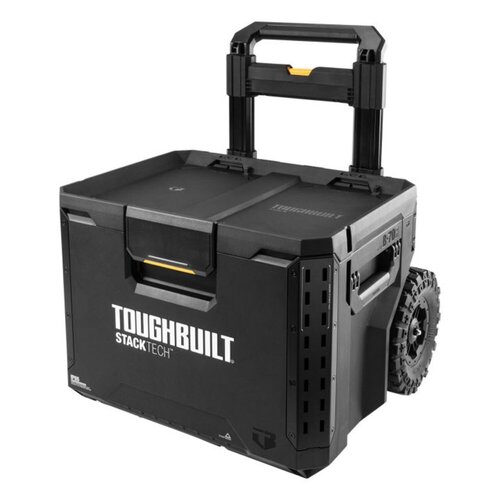
Toughbuilt StackTech Rolling Tool Box
ToughBuilt StackTech rolling tool box with IP65 protection
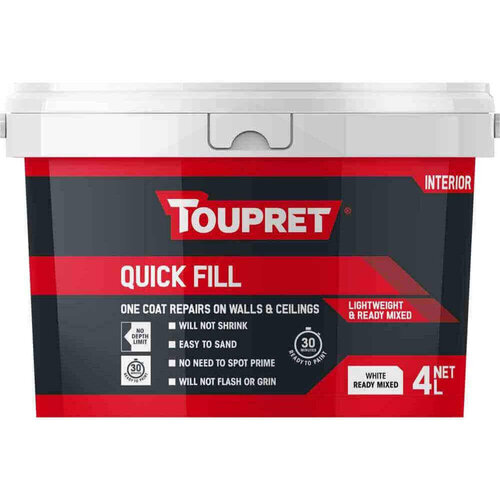
Toupret Quick Fill Interior - 4L
Interior filler for fast filling and repair, 4L
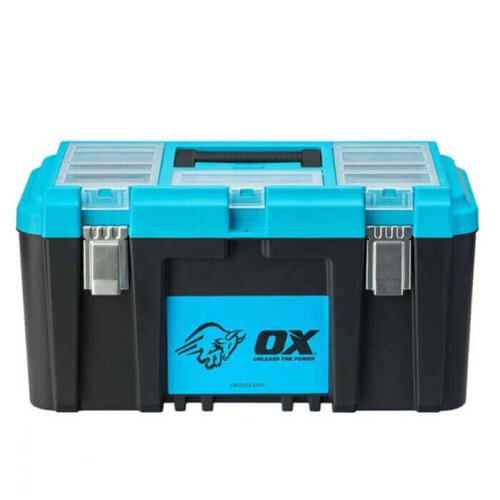
OX Tools Pro Tool Box - 250mm x 250mm x 490mm
Sturdy plastic tool box 250x250x490mm with organisers and tote tray, 12kg load
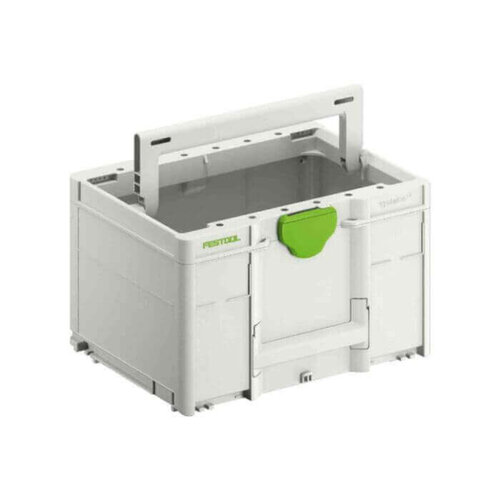
Festool Open Systainer Toolbox SYS3 TB M 237
Festool open Systainer toolbox with 20kg capacity and foldable handle
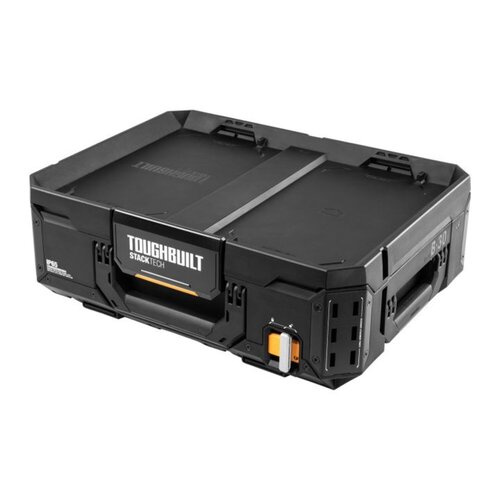
Toughbuilt StackTech Tool Box
ToughBuilt StackTech polymer and steel tool box
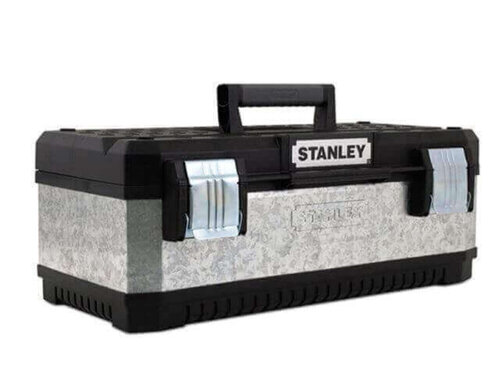
Stanley Galvanised Metal Toolbox - 660mm
Heavy-duty 660mm galvanised metal toolbox with saw groove and removable tote tra…
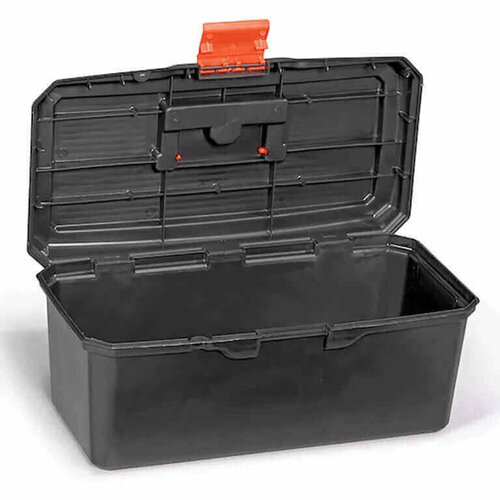
Dekton Toolbox with Lift Out Carry Tray - 13"
13-inch toolbox with lift-out tray and durable carry handle
For the Trade
Start with where it lives and how often you move it. If it sits in the van every day, you usually want toolboxes that stack cleanly and do not waste space around the handles or lid. If it stays in the workshop, size and access matter more than weight, and a bigger metal toolbox can make sense when you are not carrying it far. Plastic toolbox options suit kit that moves between jobs, where cutting dead weight matters. The job usually sets the spec before the brand does.
Popular Toolboxes Formats
When you’re choosing between toolboxes, start with how hard it’ll be used and how often you need to get into it. A metal toolbox suits rougher site work because it takes knocks better, but you carry more weight.
A plastic toolbox is easier to move and works well for lighter kit, though it won’t take the same punishment. If security matters, a lockable toolbox is the one to look at. If you just need quick access between jobs, a simpler tool box is usually the cleaner buy. For the full Tool Storage range, that’s the sort of split that narrows it down fast.
Key Differences When Choosing
Most toolboxes come down to three things: how much kit you’re carrying, how often you’re lifting it, and where it’s going to live. A metal toolbox usually gets the nod when you want a firmer box that takes knocks and sits well in the van, but it does add weight.
A plastic toolbox is easier to move about and less of a drag when you’re shifting between jobs, though it won’t feel as solid. If the box is staying in the vehicle or workshop, look at Vehicle & Site Safes instead. If you’re building out a fixed setup, Tool Storage Drawers usually make more sense than carrying everything in one lift-out box.
Next Decisions After Choosing
Once you’ve picked the right toolboxes, the next call is what sits around them in the van or workshop. If you need loose kit kept separate, tool storage drawers save time because you’re not digging through one deep box. They only make sense where the unit stays put.
For higher-risk kit, vehicle & site safes are the next step because they give you a fixed point for items you don’t want walking off. A box keeps tools together. It doesn’t always solve access or security on its own.
Related searches
Local availability for Toolboxes







