Tool Storage
Tool storage comes down to how much you need to hold, where it’s going, and whether it needs to stay locked. A wall mounted cabinet keeps floor space clear. In a workshop or garage, a heavier metal or steel unit usually makes more sense when the load and knocks are part of the job. If you’re moving kit between jobs, portable storage is the one to look at, but you give up capacity and security.
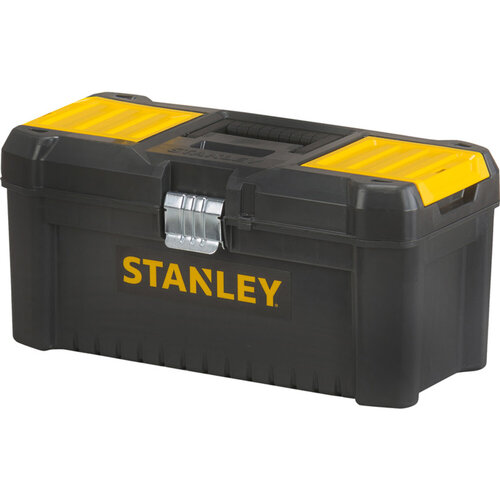
Stanley Essential Toolbox Metal Latch - 406x205x195mm
Stanley metal toolbox with organiser lid and padlock eye, 406x205x195mm
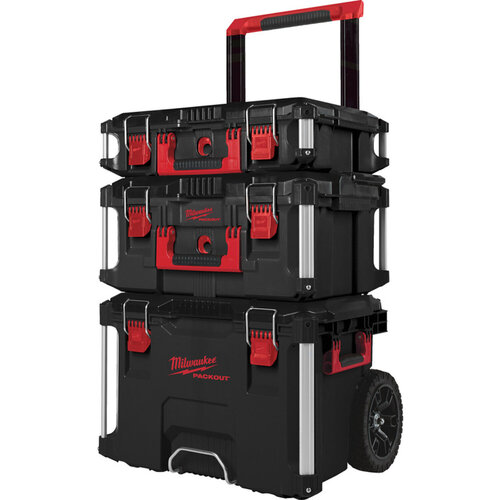
Milwaukee Packout Storage System - 3 Pc
3-piece IP65-rated modular tool storage system with all-terrain trolley
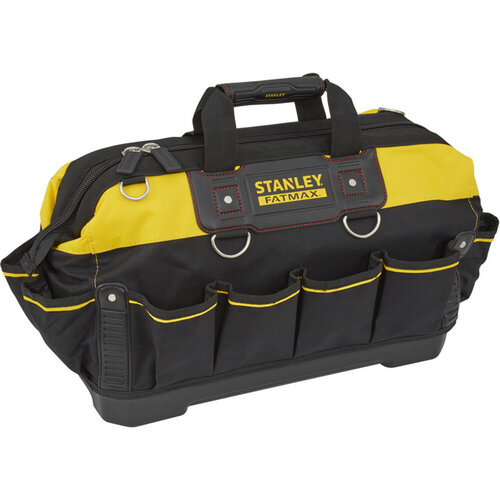
Stanley FATMAX Tool Bag - 18"
Heavy-duty tool bag with 600 denier fabric, waterproof base and comfortable hand…
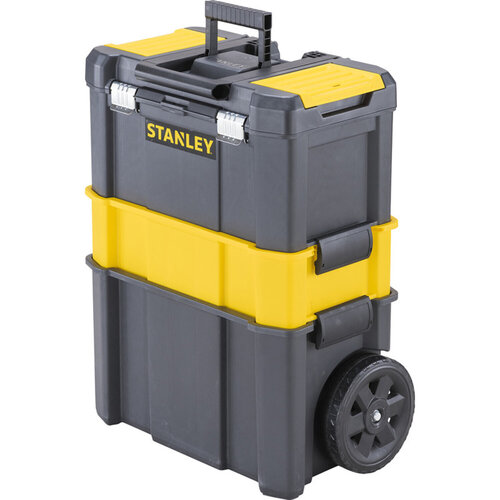
Stanley Essential Rolling Workshop - 475x283x630mm
Rolling workshop with 18" top toolbox and removable tote tray
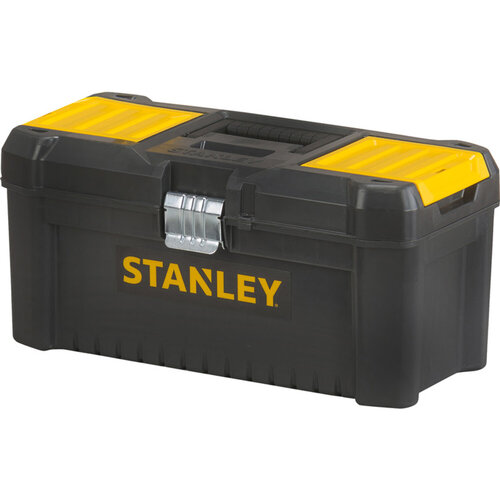
Stanley Essential Toolbox Metal Latch - 485x250x250mm
Stanley metal toolbox with organiser lid and padlock eye, 485x250x250mm
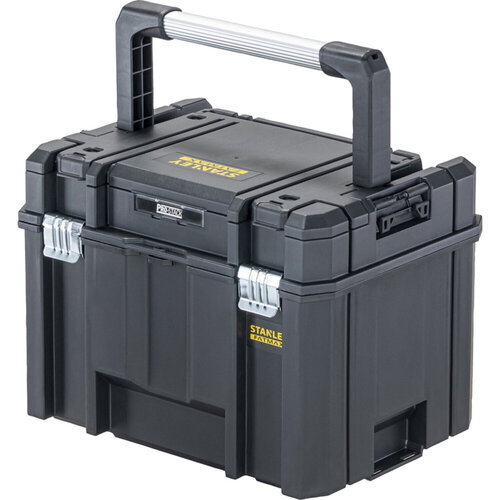
Stanley Fatmax Pro-Stack Deep Box with Organiser Top
PRO-STACK deep box with organiser top for tools and small parts storage
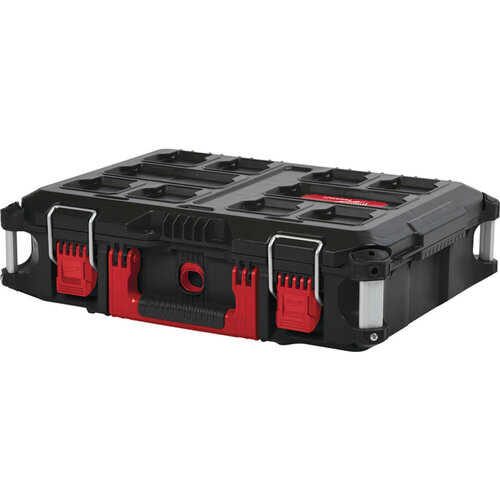
Milwaukee Packout Shallow Toolbox
IP65-rated modular shallow toolbox with interior organiser trays and impact-resi…
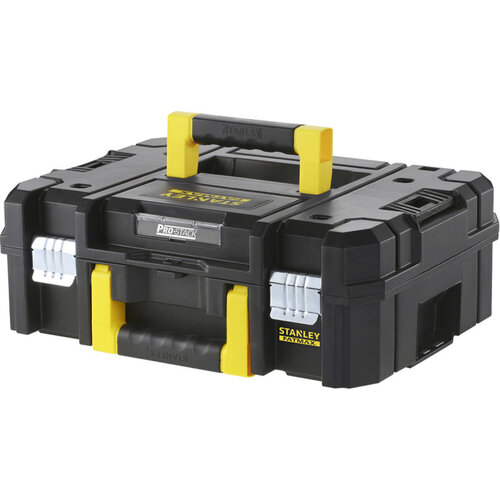
Stanley Fatmax Pro-Stack Shallow Box
Stanley Fatmax Pro-Stack shallow box, 13.5 litres, with padlock eyes
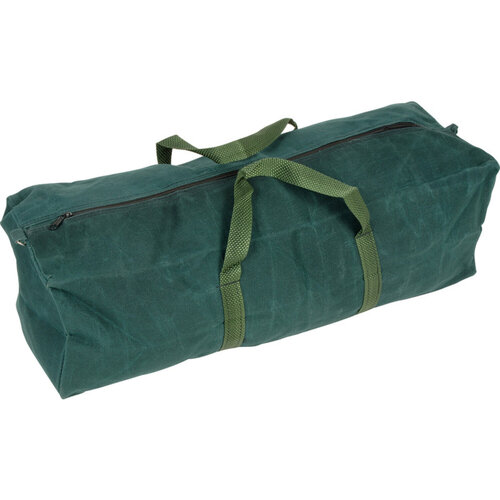
Canvas Tool Bag - 450mm
Heavy cotton canvas tool bag with webbing handles and nylon zip, 450mm long
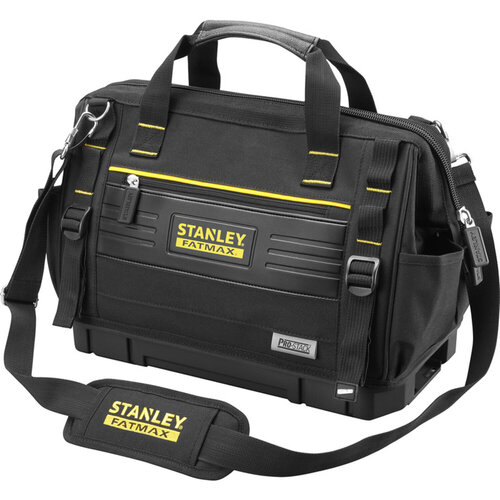
Stanley Fatmax Pro-Stack Open Mouth Bag - 504 x 255 x 129mm
Pro-Stack compatible open mouth tool bag with 600 denier fabric and padded shoul…
For the Trade
Start with the space you’ve actually got and how the kit will be used before you look at finishes or extras. A shallow run suits a tight bay or corridor. A deeper tool storage cabinet makes more sense if you’re stacking cases and want less rummaging. If it’s staying in one place, weight and fixings matter more than looks. If it needs to move between jobs, that changes the spec straight away. Tools is the parent range if you’re comparing this against other storage options, but the job usually decides it for you.
Coolers
Coolers are the part of tool storage you use when one section needs to stay separate from the rest of the kit. They work well for drinks, adhesives, or anything you do not want mixed in with the main load.
A tool storage cabinet still makes more sense for bulk kit and locked-up gear. Coolers suit the job where one item needs its own space and quick access. One big box rarely covers every task. That is when things get mixed, crushed, or left loose in the van.
Organisers
Organisers are the bit you buy when the small stuff keeps going missing - fixings, bits, blades, terminals, fittings.
They suit jobs where you need quick access and a clear split between parts. Once you’re storing larger kit or want everything locked away together, a tool storage cabinet makes more sense. Organisers cut down rummaging, but they won’t replace proper storage for heavier items. Flimsy catches are usually the first thing to fail on site.
Tool Backpacks
Tool backpacks make sense when you’re moving between jobs and need both hands free. They are not for bulky kit or for gear that stays in the van. You are buying access and easy carry, not capacity.
A decent one keeps the weight close and the pockets where you can reach them without emptying everything out. Cheaper bags often miss that balance. If you are storing larger items at base, a tool storage cabinet or other fixed tool storage is the better fit. If you are on and off site all day, the backpack is the handier pick.
Tool Bags
Tool bags are the pick when you need kit with you, not left in the van or workshop. They suit jobs where you’re carrying hand tools, fixings and a few consumables between floors or across site, and you want quicker access than a box gives.
The trade-off is simple. They move easily, but they won’t protect delicate kit or keep everything as tidy as a tool storage cabinet. A bag with decent structure and a sensible pocket layout usually gets used properly. A floppy one just turns into a dump bag.
Tool Belts
Tool Belts suit jobs where you want quick access to the bits you reach for all day.
They are not for bulk, and they are not where you would keep anything you want locked away. A belt saves time at the point of use, but you give up capacity and protection, so it usually works best alongside a cabinet or box rather than instead of one.
Tool Chests
Tool chests are the bit you go to when the kit stays in one place and you want drawer access rather than lifting lids all day. They suit workshop or garage tool storage where you sort by set, not carry it round site.
The usual choice is between a lighter cabinet and a heavier chest with more rigid drawers. If the load is staying locked up, Tool Chests make more sense than portable options. If you need to move kit between jobs, you’re usually better elsewhere. Once they’re full, access is only as good as the drawer layout.
Selection Factors for Tool Storage
Where it’s going and how hard it’ll be used should lead the choice. A garage tool storage unit can stay lighter if it only needs to hold mixed kit. A workshop tool storage cabinet earns its keep when you want a firmer face and less flex from daily use.
Steel tool storage usually gives you a tougher enamelled finish. The trade-off is handling. Once it has to go upstairs or into a tight bay, you feel the weight. If the job needs fixing down or keeping secure, a lockable tool storage cabinet is the safer shout. For a related buy, Flooring often comes up when you’re setting out a proper workshop space rather than just parking kit against a wall.
Finish the Room
Once the main unit’s chosen, the next question is what needs to sit around it. If you’re finishing a workshop run, keep the storage close to the work and use wall mounted tool storage where floor space is tight. If the kit needs to stay locked away, a lockable tool storage cabinet makes more sense than open shelving.
For a busier garage or site setup, metal tool storage usually takes knocks better than lighter furniture, but you do give up some easy handling. On site, that usually comes down to access, security, and how much weight you’re asking the wall or floor to carry.
Related searches
Local availability for Tool Storage













