Downlights
Downlights usually come down to three things: fixed or adjustable head, fire rated or IP rated, and GU10 lamps or an integrated LED unit. GU10 downlights give you lamp choice and easier replacement. Integrated LED versions are neater and leave fewer parts to come back on. Fire rated downlights are the one you use when the spec calls for it. Standard recessed downlights are the cheaper option where that protection is not needed.
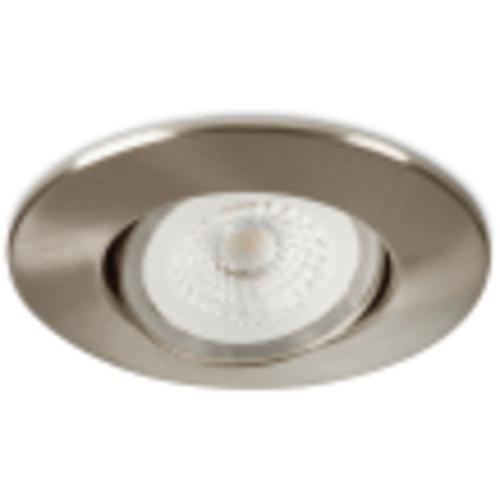
Collingwood H4 Lite Downlight - 4.4W
4.4W adjustable LED downlight, 3000K, dimmable, IP65
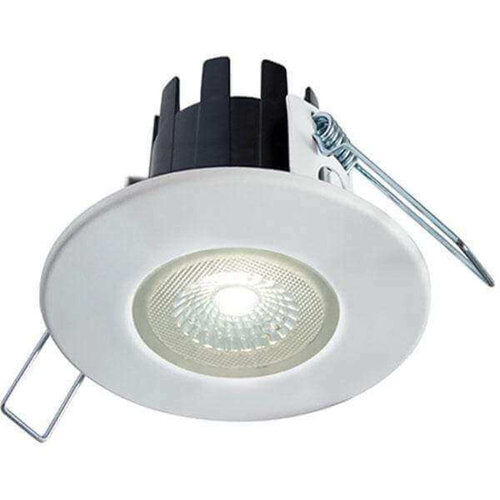
Collingwood Halers H2 Lite T LED Downlight with Terminal Block 55° - 4.4W Brushe…
4.4W LED downlight in brushed steel, warm white, insulation coverable.
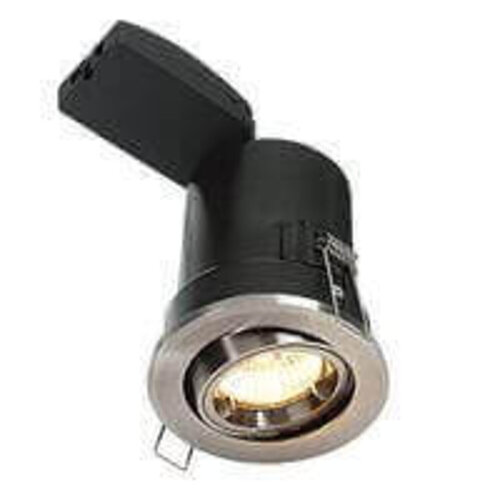
Saxby Shieldplus Tilt Downlight - 50W Satin Nickel
Fire-rated 50W satin nickel tilt downlight, dimmable, screwless install
Knightsbridge LED CTT Adjustable Circular Dual Mounting Panel - 290mm 24W 230V
290mm 24W LED circular panel with dual mounting, 2100 lumens, non-dimmable
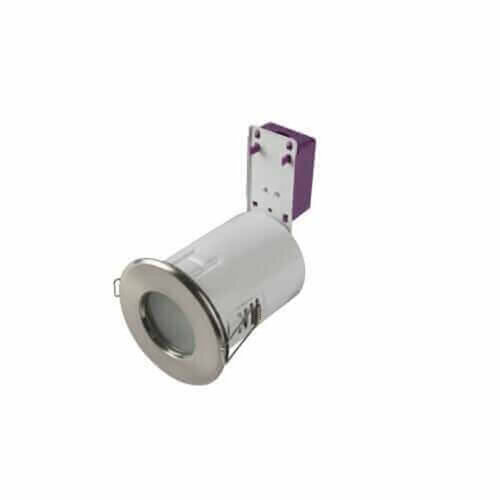
Robus Starling Mains Voltage Steel Fire Rated Shower Downlight - 50W 91mm Brushe…
Mains voltage steel fire-rated shower downlight, 50W, IP65, brushed chrome.
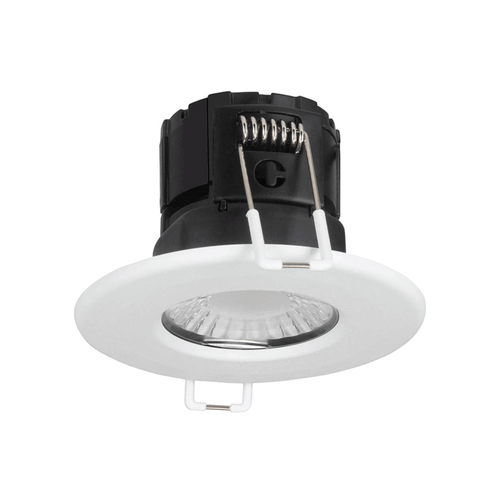
Collingwood DLT551500A LED Downlight - 4.2-6W
4.2-6W switchable CCT LED downlight, IP65, fire-rated, matt white
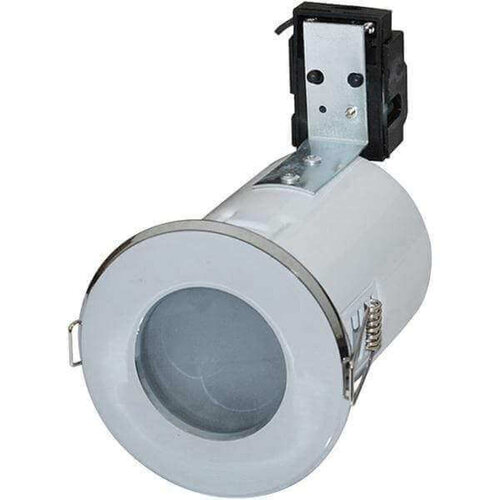
Robus Fixed Fire Rated IP65 GU10 Non-Integrated Downlight - White
White IP65 fire rated GU10 downlight for showers
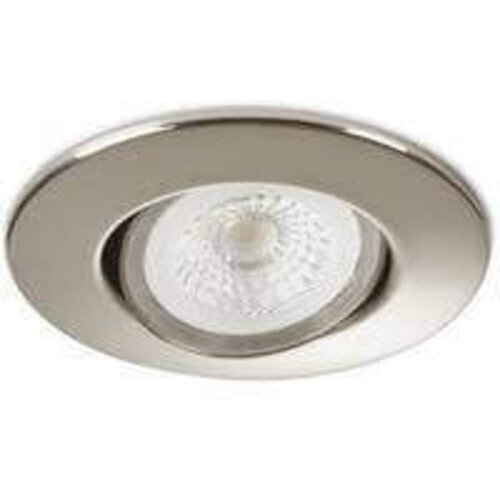
Collingwood H4 Lite Adjustable LED Downlight - 4.4W, 440lm, 3000K, IP65, Chrome
Adjustable 4.4W LED downlight, 440lm, 3000K, IP65, chrome
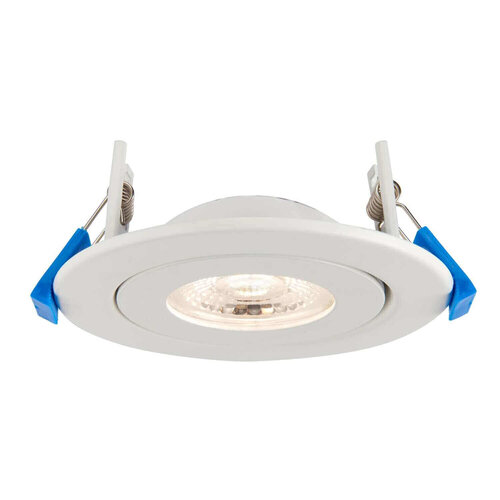
Saxby Shield360 4CCT Tri Wattage IP44 LED Module (SMD 2835 CCT) - 8W Matt White
8W fire-rated LED downlight, selectable CCT and wattage, IP44
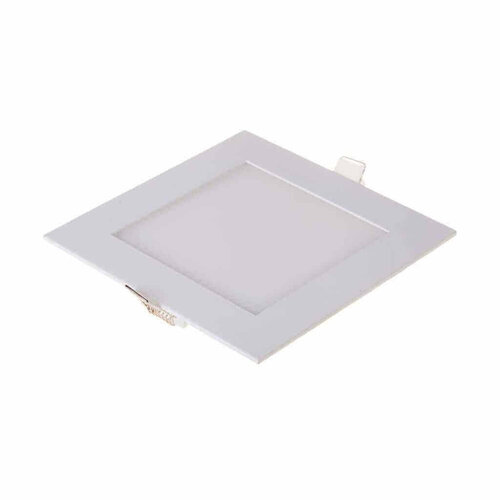
V-Tac LED Mini Panels Light Premium Series - 12W 2700K Square
12W square LED mini panel, 2700K warm white, aluminium body, for recessed instal…
For the Trade
Start with the space you’ve got above the ceiling and how the fitting will be used. That usually rules out half the options before you look at finish. A shallow void pushes you towards slimmer downlights. A tighter layout may mean fewer cut-outs or a different trim size to keep the job clean. If the spec calls for dimming, fire rated downlights, or a wet-area rating, that narrows the shortlist fast. Most call-backs come from choosing on appearance first and checking the ceiling build-up later.
Downlight Options Compared
For most jobs, you’re choosing between recessed downlights and surface or ceiling downlights. Recessed downlights give you the cleaner finish where the ceiling build-up allows it. Ceiling downlights are the fallback when you can’t or don’t want to cut in.
LED downlights are usually the sensible pick now because you’re not tying yourself to lamp changes. GU10 downlights still make sense where you want the lamp replaced separately. Fire rated downlights come in when the spec calls for that protection. Dimmable downlights are only worth paying for if the control gear and circuit are set up for it.
If you’re working from the wider Lighting range, that’s usually where the job spec decides the format.
Choosing Materials and Size
Trim size, lamp access and the rating usually decide it. Smaller apertures suit tighter ceilings and neater grids, but they leave less room if the cut-out is off.
GU10 downlights still make sense when you want to change the lamp without swapping the fitting. Integrated LED units suit jobs where you want fewer parts coming back on site. In bathrooms, check the rating first, not the finish.
If you’re pricing a larger scheme, look at Commercial Lighting alongside the downlights. If older fluorescent gear is still in play, Fluorescent Starters may need sorting as well.
Completing the Setup
Once the downlights are picked, the next call is the finish around them. That means the ceiling line, any access panels, and what stays visible once the lights are in.
Bathrooms and kitchens are where this gets held up. The lighting can be right, but the rest of the ceiling work still needs sorting. If you're building out the wider scheme, the related indoor lighting and light fittings ranges are the usual next stop. Move into commercial lighting when the spec shifts away from domestic downlights.
Related searches
Local availability for Downlights













