Torches
Torches usually come down to three things: run time, size, and whether you want a battery torch or a rechargeable one. A pocket torch suits quick checks, while heavy duty torches fit van use and rougher jobs. LED models are the usual pick now, but if access is tight, size and grip matter more than headline output.
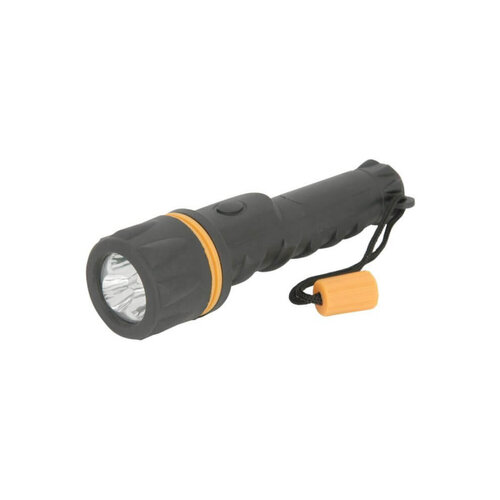
Mercury Rubber Heavy Duty LED Torch
Heavy duty rubber torch, 3 wide angle LEDs, 2xAA
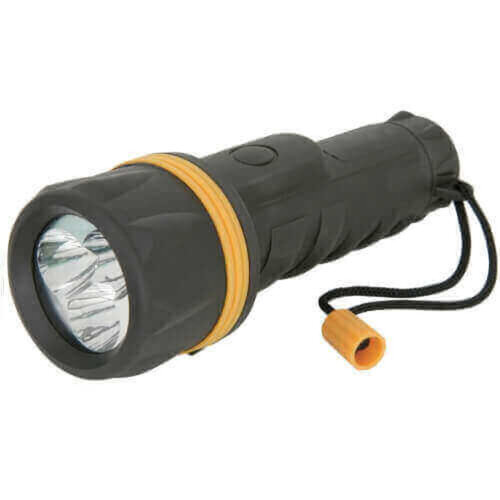
Dekton Heavy Duty LED Weatherproof Rubber Torch - D Type Battery
Heavy-duty LED weatherproof rubber torch, requires D batteries (not included)
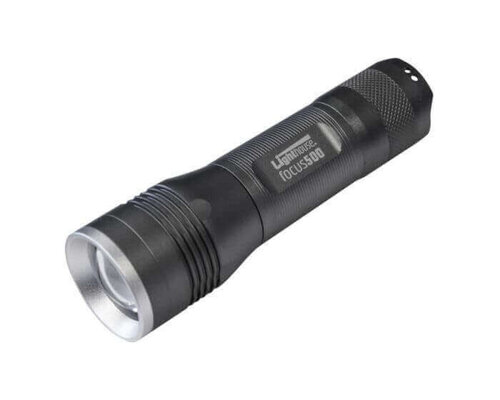
Lighthouse Elite Focus Torch - 500 lumen
500 lumen focus torch with anodised aluminium body for outdoor use
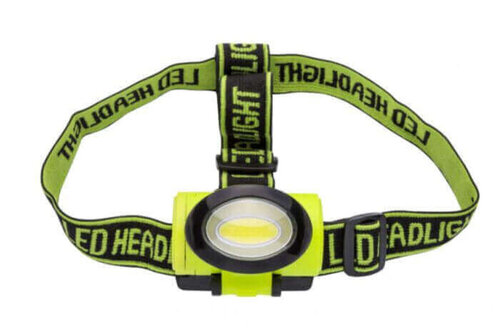
Electralight Wide Angle Ultra Bright COB Head Lamp - 200lm
200lm wide-angle COB head lamp for hands-free use
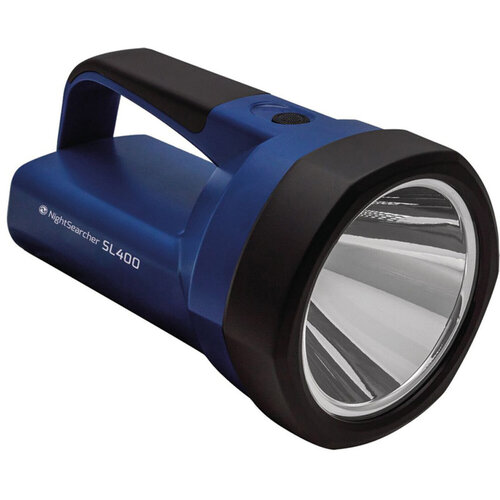
Nightsearcher SL400 Rechargeable Searchlight Torch
400lm rechargeable searchlight torch with 330m beam and IP44 rating
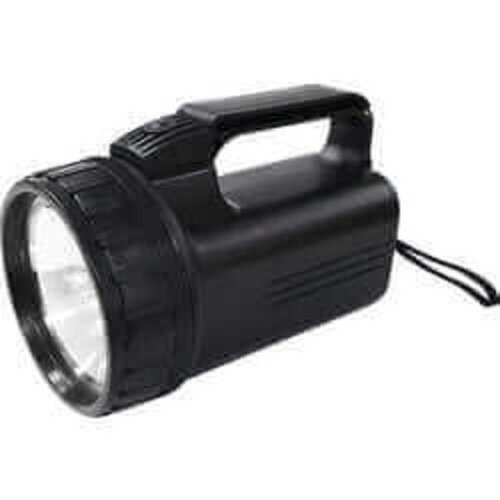
Meridian Lighting Krypton Torch
Handheld torch with powerful krypton bulb and water resistant casing
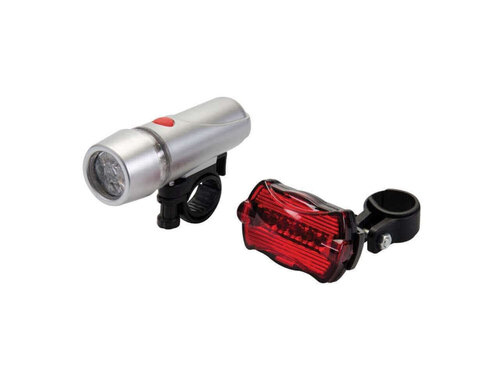
Cycle Lights - 5 LED 2 Pack
Set of 2 cycle lights, each with 5 LEDs
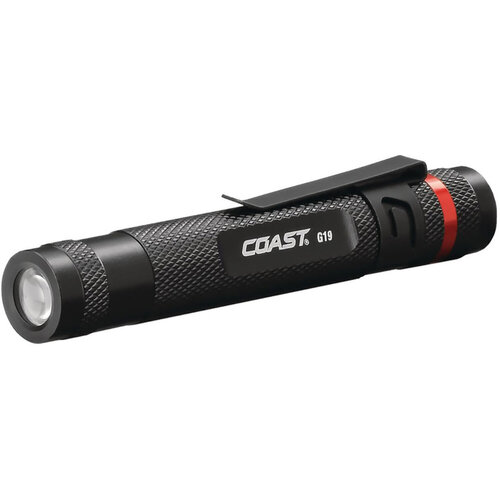
Coast Portland G19 General Purpose LED Torch
General purpose LED torch with Pure Beam optic for flood and spot modes
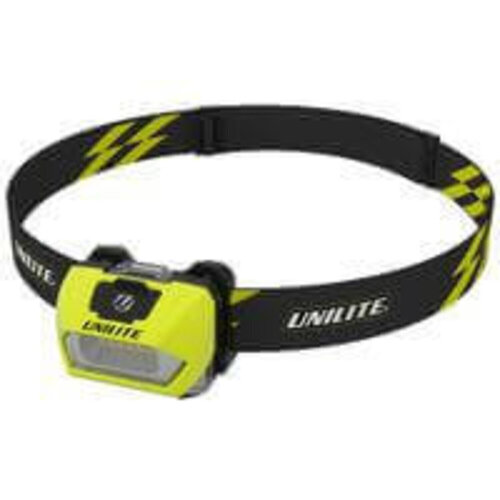
Unilite Helmet Mountable Dual Power LED Headlight - 350lm
Unilite 350lm dual power LED head torch with helmet mount, IPX6 waterproof.
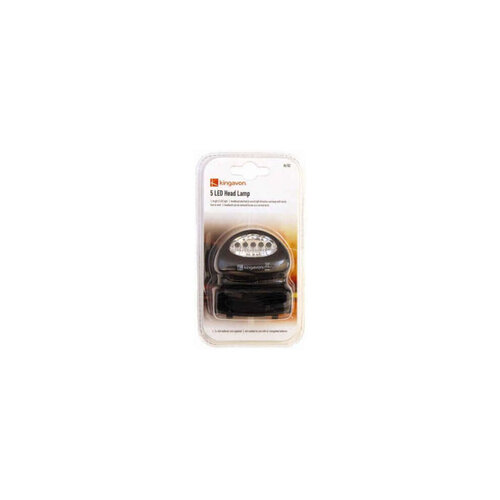
Kingavon Head Lamp - 5 LED
5 LED head lamp for hands-free task lighting
For the Trade
Start with where it’s going to be used and how much room you’ve actually got, then decide how often you’ll reach for it. A compact torch is easier to carry and less of a nuisance in a pocket, but you give up grip and runtime. Rechargeable torches make sense if you’re using it day in, day out and don’t want to keep feeding batteries through the job. Heavy duty torches suit rougher site use, though they’re usually bulkier. Finish and extras come after that. The wrong size or format is what gets left in the van.
Torches Types and Layouts
Rechargeable torches suit kit that’s in and out of the van every day. You avoid disposable batteries, but you do need to stay on top of charging.
Battery torches still make sense for odd jobs, long shifts, or kit that may sit unused for a while. If a torch lives in the bottom of a toolbox, that matters.
Lighting is the parent range if you’re working back from the wider department. Most trades narrow it down by grip and carry first. Hand torches give you a better hold. Pocket torches and mini torches are easier to keep on you. Led torches are the cleaner pick when you want a straightforward beam without much fuss.
What to Check Before You Buy
If you’re choosing torches for the job, size and carry usually decide it first. Mini torches suit pockets and pouches, but you give up some grip and runtime compared with a fuller hand torch.
That trade-off matters on site. A small body is useful until you’re wearing gloves or using it for more than a quick check. If you’re buying alongside Downlights or sorting kit for Commercial Lighting, weigh up whether you need a compact torch for close work or a heavier one that stays easier to hold.
Useful Alongside Torches
After you’ve picked the torches, the next question is how they’ll live in the kit. A hand torch clipped in a pouch gets treated differently to one rattling around a van, so storage and protection matter.
If it’s going out with other kit, look at a case or holder that keeps the lens from getting knocked and the switch from being pressed flat. When you’re carrying several bits of kit, the small accessories usually save more grief than the torch itself. A cracked lens or flattened battery is what brings you back to the counter.
Related searches
Local availability for Torches












