Torches
Torches usually come down to three things: run time, size, and whether you want a battery torch or a rechargeable one. A pocket torch suits quick checks, while heavy duty torches fit van use and rougher jobs. LED models are the usual pick now, but if access is tight, size and grip matter more than headline output.
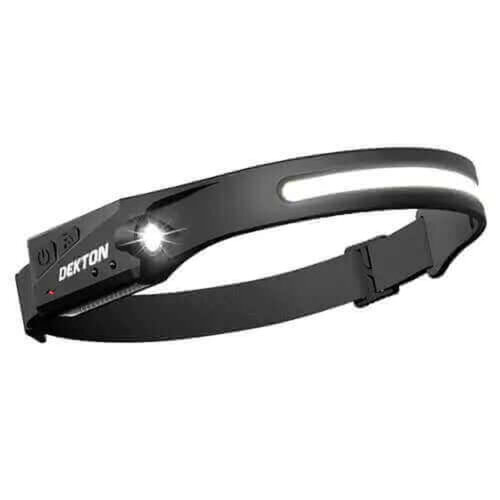
Dekton Pro Light LED Rechargeable Head Torch with Motion Sensor
Rechargeable LED head torch with motion sensor, 350 lumens
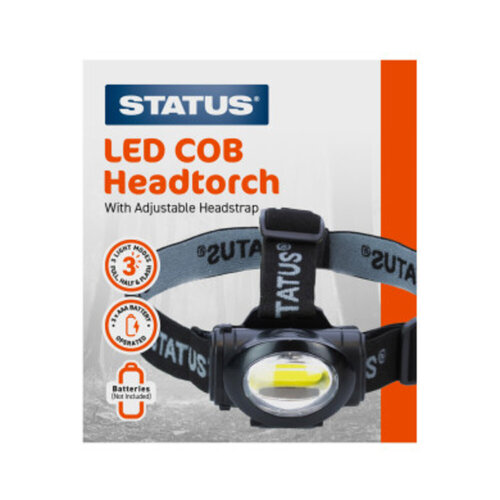
Status LED COB Head Torch
Hands-free COB LED head torch with adjustable strap, requires 3 AAA batteries (n…
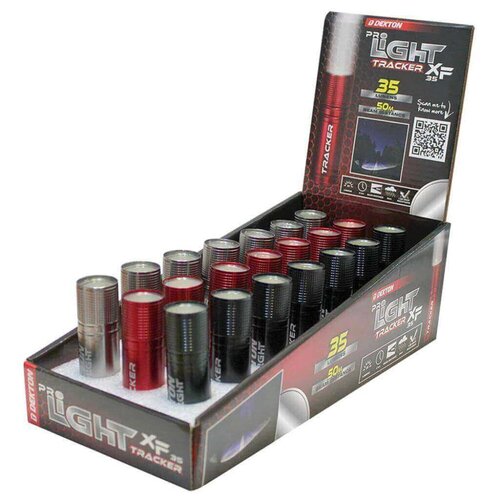
Dekton Pro Light XF35 Tracker Flashlight Waterproof LED Torch - 35 Lumen
Waterproof LED torch with 35 lumens and IP44 weatherproof rating
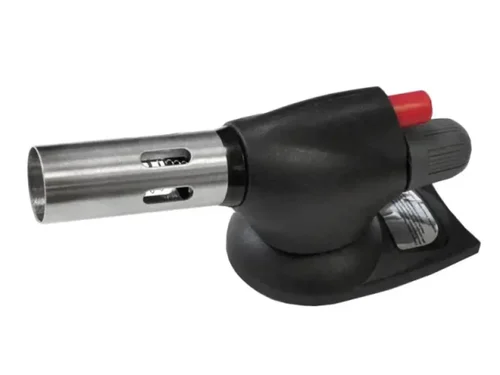
Faithfull Auto Start Power Torch
Auto start gas torch for plumbing and soldering tasks
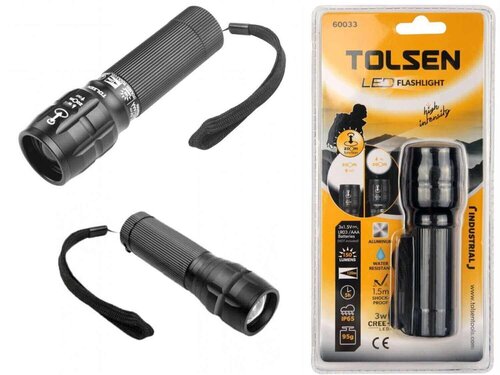
Tolsen LED Industrial Torch - AAA Black 150 lumens Zoom
LED torch 150 lumens, IP65 waterproof, aluminium, zoom, black
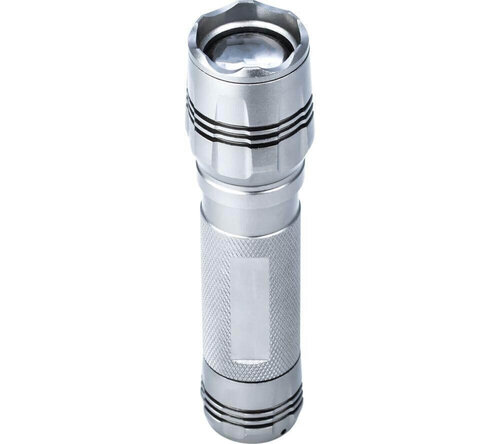
Status LED Aluminium Torch 400 Lumens - Silver
Silver 400 lumens LED aluminium torch with 3 modes
LED Lenser Solidline ST7 LED Torch - 7500K, 360lm, IP54, Black
360-lumen LED torch, IP54 rated, durable aluminium housing
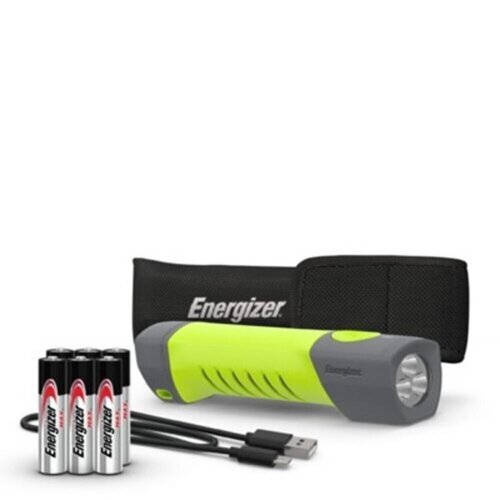
Energizer Hybrid Rechargeable LED Torch Pro Range - 1000lm Green/Grey IP67
Hybrid rechargeable LED torch, 1000lm, IP67, CRI 90
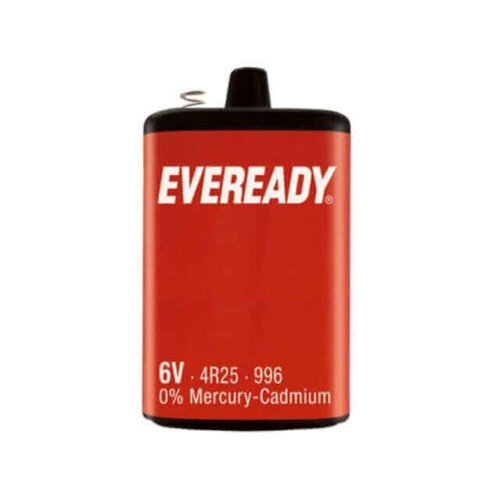
Eveready Lantern Battery - 6V
6V lantern battery for road flashing lights, skip lights, and large lanterns
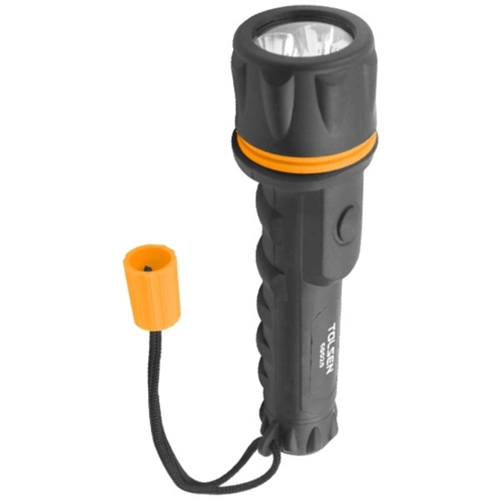
Tolsen LED Flashlight
LED flashlight by Tolsen
For the Trade
Start with where it’s going to be used and how much room you’ve actually got, then decide how often you’ll reach for it. A compact torch is easier to carry and less of a nuisance in a pocket, but you give up grip and runtime. Rechargeable torches make sense if you’re using it day in, day out and don’t want to keep feeding batteries through the job. Heavy duty torches suit rougher site use, though they’re usually bulkier. Finish and extras come after that. The wrong size or format is what gets left in the van.
Torches Types and Layouts
Rechargeable torches suit kit that’s in and out of the van every day. You avoid disposable batteries, but you do need to stay on top of charging.
Battery torches still make sense for odd jobs, long shifts, or kit that may sit unused for a while. If a torch lives in the bottom of a toolbox, that matters.
Lighting is the parent range if you’re working back from the wider department. Most trades narrow it down by grip and carry first. Hand torches give you a better hold. Pocket torches and mini torches are easier to keep on you. Led torches are the cleaner pick when you want a straightforward beam without much fuss.
What to Check Before You Buy
If you’re choosing torches for the job, size and carry usually decide it first. Mini torches suit pockets and pouches, but you give up some grip and runtime compared with a fuller hand torch.
That trade-off matters on site. A small body is useful until you’re wearing gloves or using it for more than a quick check. If you’re buying alongside Downlights or sorting kit for Commercial Lighting, weigh up whether you need a compact torch for close work or a heavier one that stays easier to hold.
Useful Alongside Torches
After you’ve picked the torches, the next question is how they’ll live in the kit. A hand torch clipped in a pouch gets treated differently to one rattling around a van, so storage and protection matter.
If it’s going out with other kit, look at a case or holder that keeps the lens from getting knocked and the switch from being pressed flat. When you’re carrying several bits of kit, the small accessories usually save more grief than the torch itself. A cracked lens or flattened battery is what brings you back to the counter.
Related searches
Local availability for Torches












