Consumer Units
When you’re choosing consumer units, start with the circuit layout and the protection the job needs, not just the box itself. A split load board suits circuits on separate RCD protection, while a main switch unit fits simpler boards where the arrangement is handled elsewhere. Metal cases are the usual call where the spec needs a tougher enclosure. Plastic can still work on lighter domestic jobs if that’s what the installation calls for. Check the space before you commit, so the board matches the circuit count and the layout from the start.
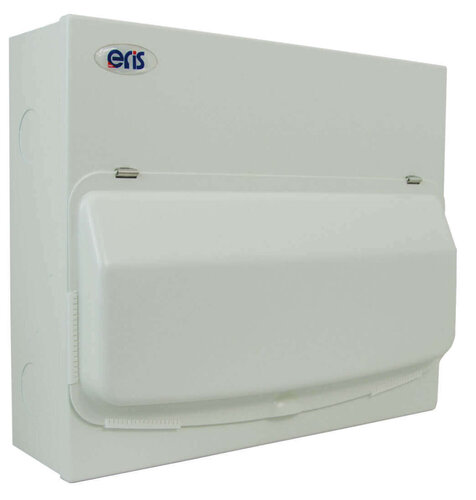
Eris Consumer Metalclad Consumer Unit with DP Main Switch & Pre-Fitted SPD - 14 …
Metal consumer unit with DP main switch and pre-fitted SPD, 10-way 100A
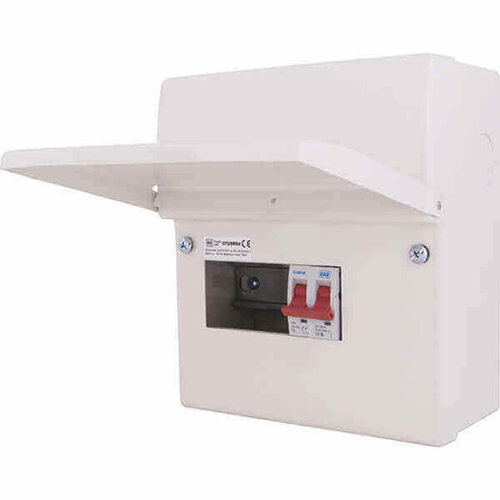
BG Metal 100A Consumer Unit - 4 Way
4 way metal consumer unit with 100A main switch
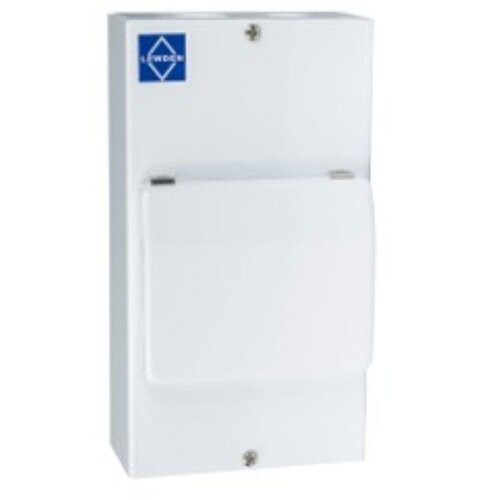
Lewden Metal Distribution Board - RCCB 63A 30mA 2 Pole Type B MCB 16A C Type 1 P…
Pre-wired metal distribution board with 63A RCCB & 16A MCB
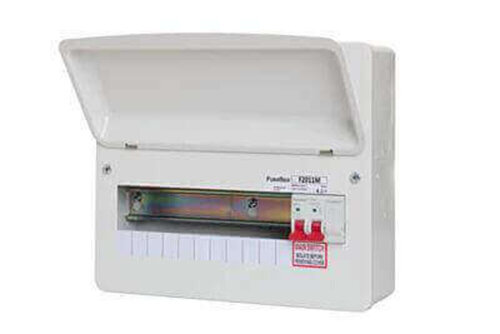
Fusebox Metal Clad 100A Main Switch Consumer Unit - 11 Way
100A 11-way metal clad consumer unit for circuit distribution
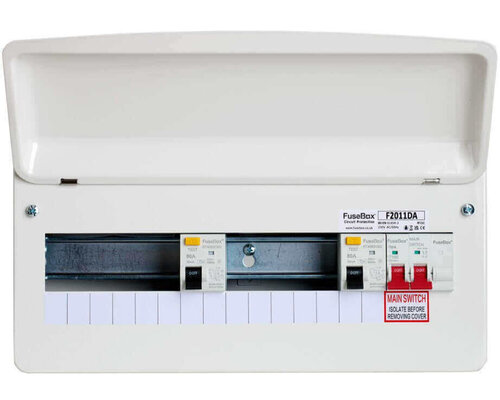
Fusebox 80A RCD Consumer Unit - Steel white 11 way
80A 11-way RCD consumer unit in steel white enclosure
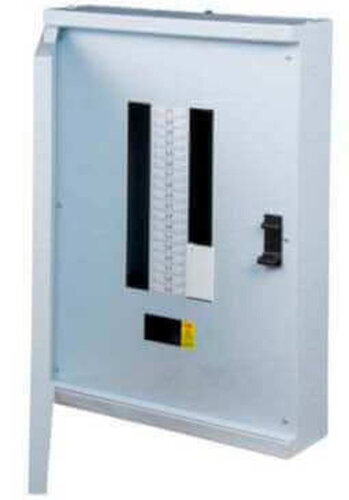
Schneider Electric KQ 6 TP Way Type B Loadcentre
6-way Type B loadcentre with IP3X protection, 250A busbar, 400/415V AC
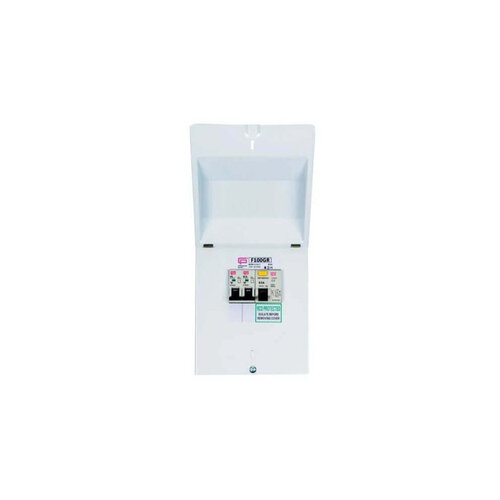
Fusebox Garage Unit 63A 30mA RCD with B6/B16 MCBs
Garage unit with 63A 30mA RCD, B6 MCB, and B16 MCB, AMD3 compliant
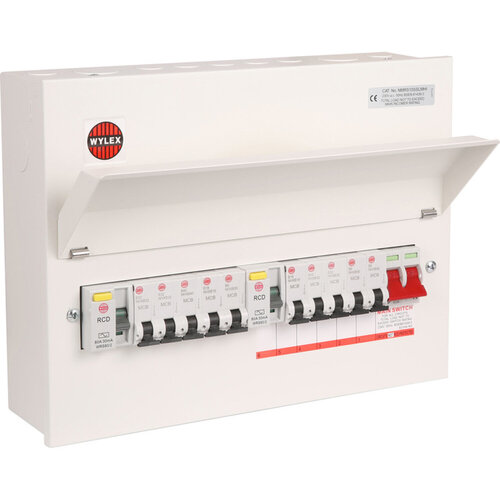
Wylex Metal 10 Way A Type High Integrity Consumer Unit + 10 MCBs - 10 Way
Wylex 10-way metal consumer unit with 10 MCBs and dual RCDs
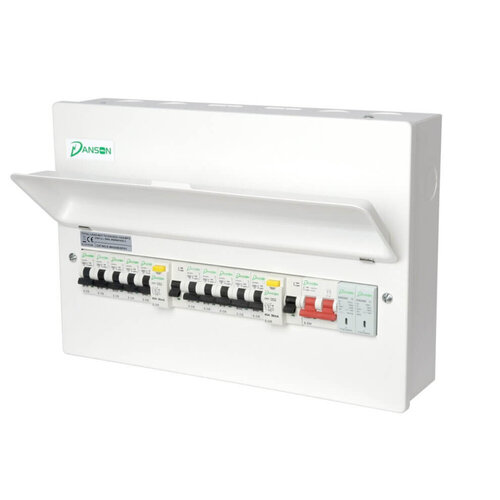
Danson 11 Way High Integrity Metal Consumer Unit with SPD, 100A Main Switch, 2 x…
11-way metal consumer unit with dual RCDs, main switch and SPD
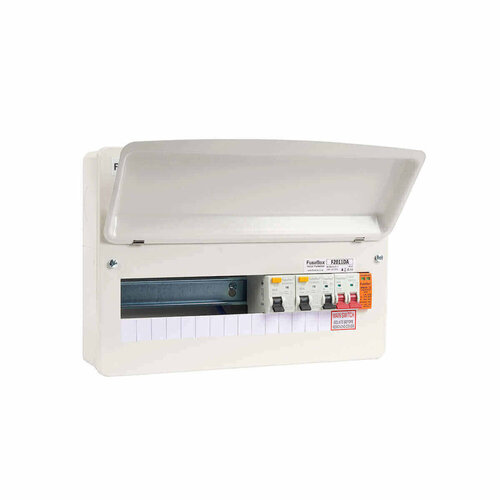
Fusebox F2010DXA Consumer Unit - 14 Module 10 Way Unpopulated, 100A Switch, 2 x …
Unpopulated 10-way consumer unit with dual RCD and surge protection
For the Trade
You narrow consumer units by the job first. Count the ways you need. Check where it’s going. Then look at the space you’ve actually got in the board position. After that, it usually comes down to the enclosure format, how much spare capacity you want left, and whether you need a domestic consumer unit, a garage consumer unit, or a basic fuse box replacement. The mistake is buying to match the old board, then finding the new layout won’t work cleanly.
Types of Consumer Units
Most jobs come down to three calls: how many ways you need, whether you want the board built up or left as a consumer unit enclosure, and how much room you’ve got to work with.
A consumer unit board suits a straightforward replacement when you want the assembly ready to populate. A bare consumer unit enclosure makes more sense if you’re building the board out yourself or replacing like for like on a tight spec.
A garage consumer unit is usually picked for outbuildings because the run and environment are different. It’s still worth checking the layout against the rest of the Power Distribution & Circuit Protection range before you commit. The boards that get changed most often are the ones bought to suit the old unit rather than the circuits going in.
Selection Factors for Consumer Units
Material is the first call I’d make. A metal consumer unit is usually the pick when you want a tougher enclosure and better resistance to rough handling. A plastic consumer unit is lighter, so it’s easier to carry through tight spaces or awkward access.
That’s the trade-off. Metal feels more substantial. Plastic is easier on the lift. If you’re pricing the rest of the job, don’t forget the bits that go with it - Consumer Unit Accessories often decide whether you finish cleanly or end up back for small parts. For anything beyond a single-phase board, 3 Phase Distribution is the next stop.
Finish the Room
Once you’ve picked the board, the next call is what sits around it and what the job needs to look like when you leave. On a tidy replacement, you may only need a few consumer unit accessories and a blanking arrangement to keep the spare ways clean.
If the board is going in a garage or plant area, the enclosure and finish matter more. Knocks, dust and awkward cable entries are what usually cause the call-back. Where the supply arrangement is changing, the next stop is often the matching distribution gear rather than trying to force a standard domestic setup to do a different job.
Local availability for Consumer Units









