Putty
For glazing work, you’re usually choosing between a firmer traditional putty and a ready mixed option that cuts prep but gives you less working time. If you’re matching existing sash windows or doing a straightforward repair, standard putty is still the one most trades reach for because it beds and finishes as expected. For smaller touch-ups, wood putty or a multi purpose putty may be the neater call.
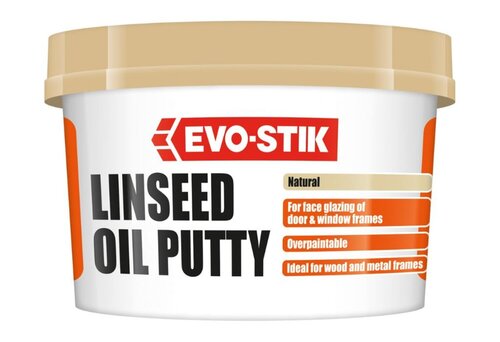
EVO-Stik Linseed Oil Putty - 1kg Natural
1kg natural linseed oil putty for external face glazing of wood and metal frames
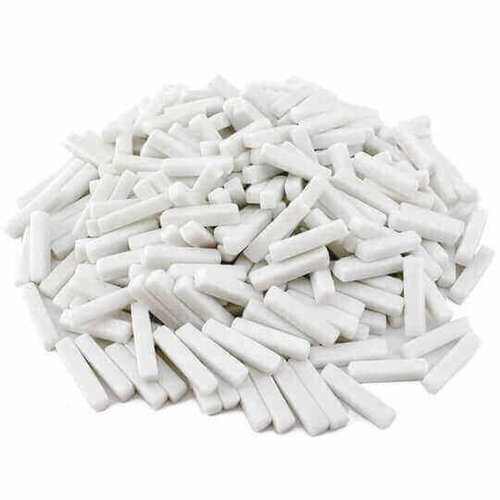
Stix - 25mm White 50g
White siliconing tool for smoothing sealant, 25 millimetres
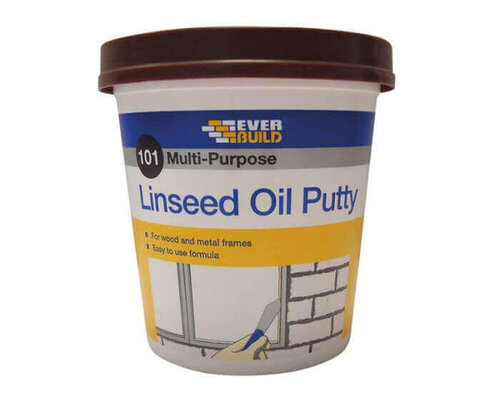
Everbuild 101 Multi-Purpose Linseed Oil Putty - 1kg Brown
Brown linseed oil putty for glazing wood and metal frames
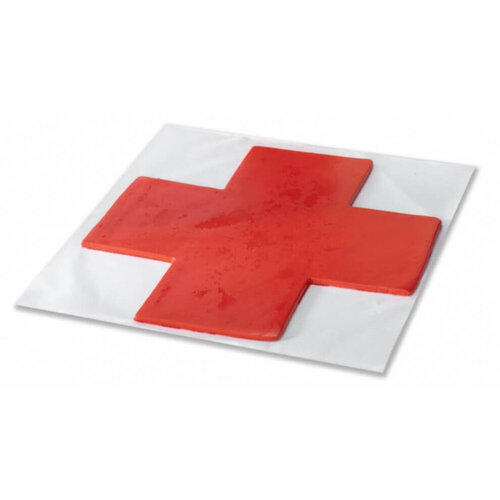
Deligo Internal Socket Box Putty Pad - 1 Gang
Red 1-gang fire protection putty pad for internal socket boxes.
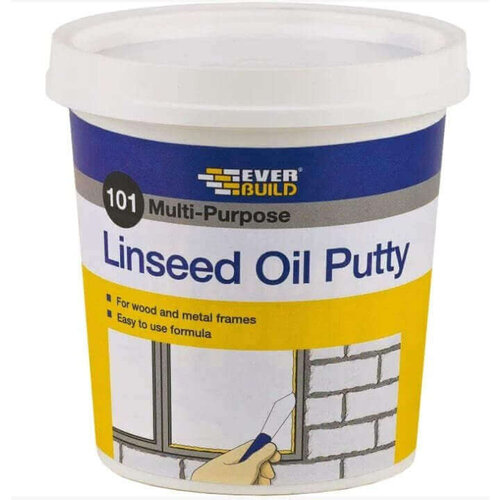
Multi Purpose Putty - 2kg Natural
Evo-stik multi-purpose putty in natural colour, 2kg
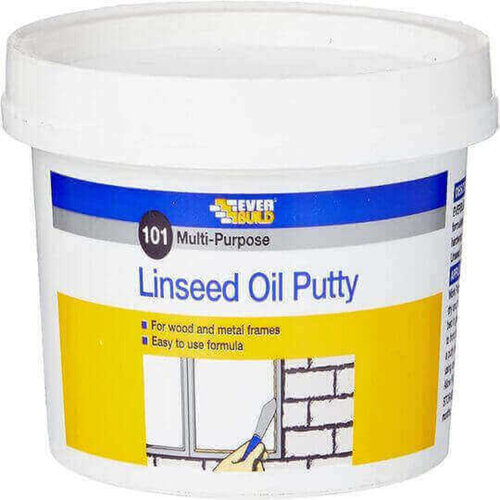
Everbuild Multi-Purpose Linseed Oil Putty - 500g
Fire rated intumescent sealant with 5 hour resistance
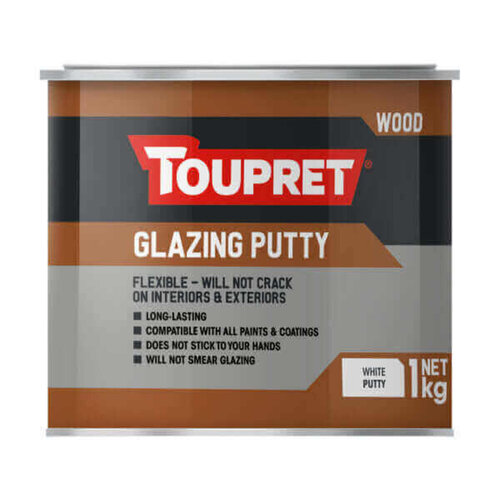
Toupret Glazing Putty - 1kg White
1kg white glazing putty for sealing glass in window frames
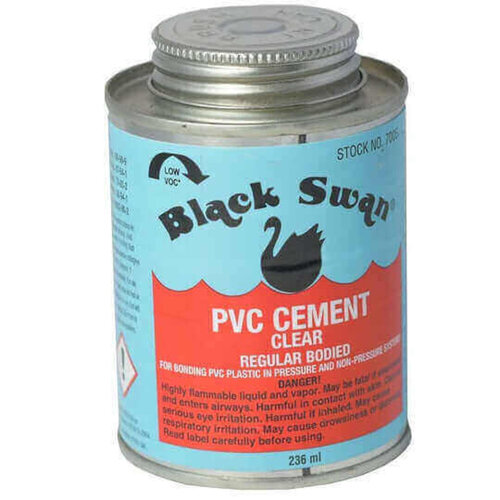
Plumbers Putty - 750g Beige
White bent waste pan connector with 32mm boss
For the Trade
Start with the job, not the label. If it’s glazing, choose a putty that suits the frame condition and the time you have, because a slower product can hold you up while a quicker one gives you less working time. For timber repairs, wood putty usually makes more sense than a general multi purpose putty, since it is for local repairs rather than a broader fill. At the counter, keep it simple: match the finish you need and the movement you expect. That is what stops the job being reopened later.
Putty Types and Layouts
Glazing putty is the pick for holding glass in a frame when you want a traditional finish. Ready mixed putty suits quicker repairs, especially when you want to skip conditioning.
Window putty is the same broad choice in plainer terms. Use it where the frame and finish need an older look. Move to decorators putty or multi purpose putty when you are filling smaller defects rather than bedding panes.
Trade putty is usually firmer and more workmanlike, so it stands up better on site. French chalk putty is softer, which makes it easier to handle when that matters more. If you need to step back and compare the range, Fillers, Foams & Putty is the parent area.
What to Check Before You Buy
The first question is what you’re putting it onto. Timber that’s moving a bit, especially on older frames, usually needs a putty that stays workable and finishes cleanly. That’s where wood putty earns its keep. It is not the one to reach for on glass lines.
For traditional glazing, a firmer glazing putty gives a neater edge and holds its shape better. The trade-off is handling. Ready mixed options save time on site. A more specialist mix can be worth it when the frame condition is poor.
If you’re also picking up Applicator Guns or Expanding Foam / Applicator Guns, keep those separate. Putty choice is about the surface and the finish, not the gun.
Useful Alongside Putty
Once you’ve settled on the putty, the next call is what else is going into that same area. On window work, that usually means the frame condition, any timber repairs, and the finish around the glass - not just the bead of putty.
If the frame needs patching as well, wood putty is the usual next pick. For broader surface defects, go to a general filler from the fillers range rather than trying to make putty do everything. Keep an eye on the surrounding paint or trim too. A neat glazing job can still look rough if the finish around it hasn’t been sorted.
Related searches
Local availability for Putty